头部背景图片

What Does 6061-T6 Forged Wheel Mean? The Engineering Behind the Performance

2026-04-17

When shopping for high-performance wheels, you've likely come across the term "6061-T6 Forged." It’s often used as a badge of quality, but what does it actually mean for your driving experience? In simple terms, this specification defines the material, manufacturing process, and heat treatment that separate premium wheels from ordinary ones.


1. The Alloy: Why 6061?

The journey begins with 6061 aluminum, a aerospace-grade alloy known for its exceptional strength-to-weight ratio. By combining aluminum with silicon and magnesium, this material offers superior corrosion resistance and structural integrity. It’s the ideal foundation for a wheel that needs to be both lightweight and capable of handling extreme loads.


2. The Process: Forging

Forged wheel factory

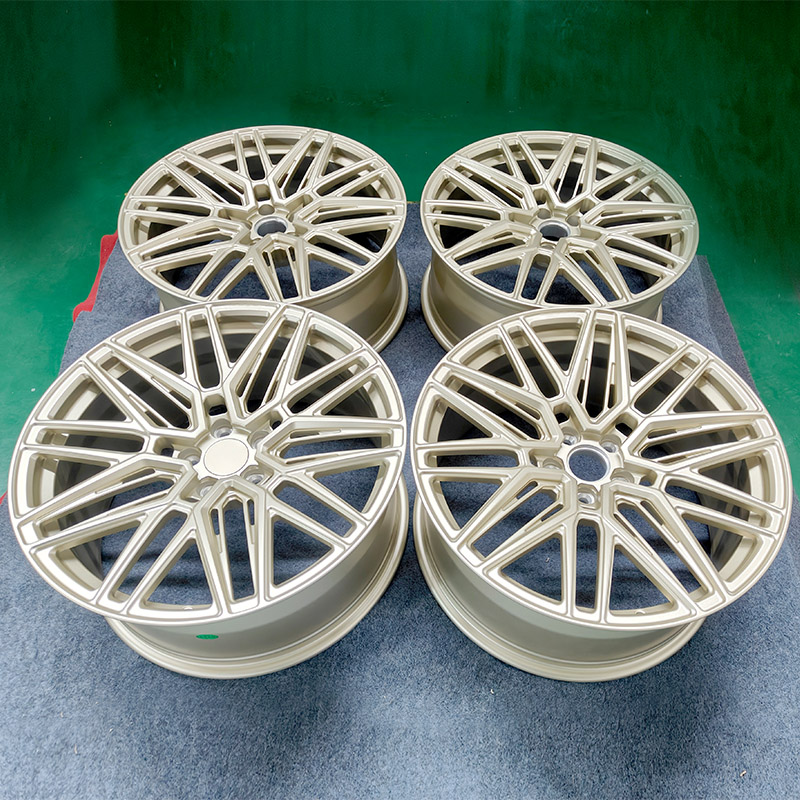
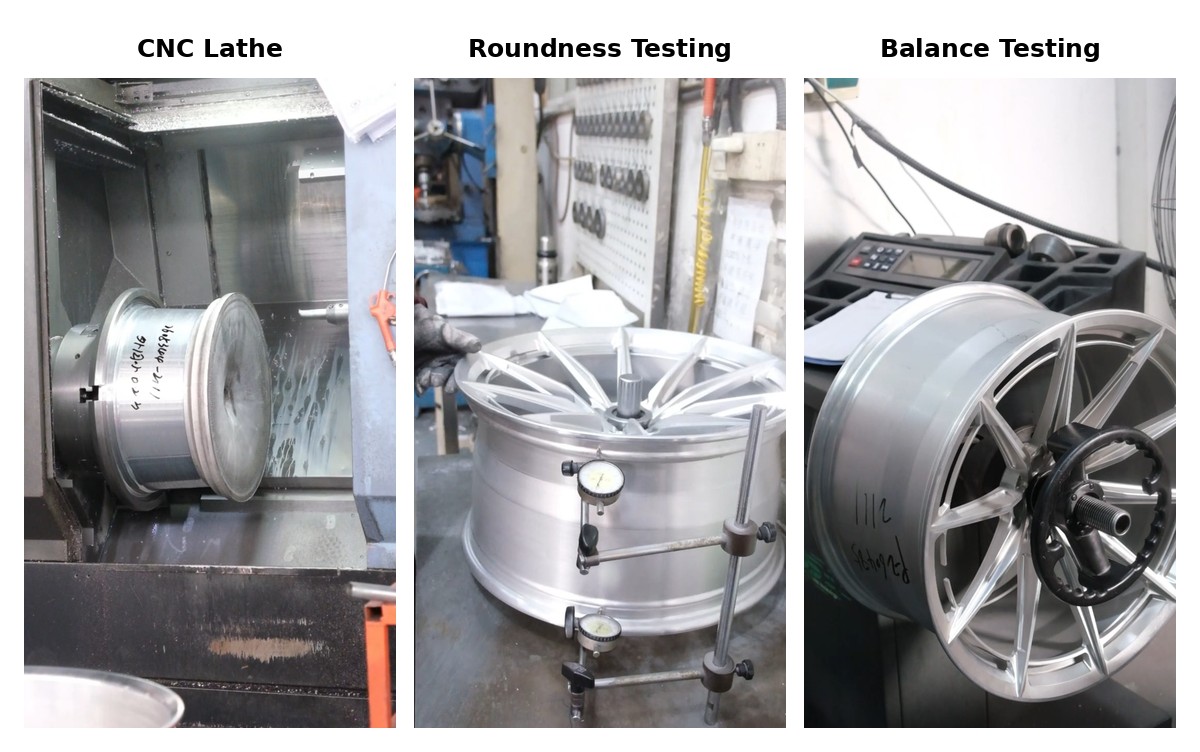
This is where the magic happens. Unlike casting, which pours molten metal into a mold, forging starts with a solid billet of 6061 aluminum. Under thousands of tons of pressure, the metal's grain structure is compressed and aligned, resulting in a wheel that is denser, stronger, and more resistant to impact. As you can see in the image above, this is precision engineering at its finest—crafted right in our facility.


3. The Finish: T6 Heat Treatment

The "-T6" suffix refers to the thermal treatment applied after forging. Through solution heat treatment and artificial aging, the aluminum achieves peak hardness and tensile strength. This process ensures the wheel maintains its shape and performance under high heat and heavy stress—critical for track days or rough terrain.

A 6061-T6 forged wheel isn’t just a component; it’s an investment in performance and safety. By combining premium alloy, advanced forging, and precise heat treatment, these wheels reduce unsprung weight, improve handling, and offer unmatched durability. Whether you're building a race car or upgrading your daily driver, choosing 6061-T6 forged means choosing proven engineering.


What is 2-piece forged wheel?

2026-04-17

A two-piece forged wheel is a high-performance modular wheel constructed from two separate components: a center face (spokes and hub) and an outer barrel (rim). These components are typically manufactured from high-grade 6061-T6 aluminum using extreme heat and pressure to align the metal's grain structure, resulting in superior strength and lightweight characteristics compared to standard cast wheels. 

Two piece wheel structure

Construction and Components

Center Section (Face): Machined from a solid forged aluminum billet, this part houses the spokes and mounting surface.

Outer Barrel: A separately manufactured cylindrical piece that holds the tire in place.

Assembly Methods: The two pieces are permanently or semi-permanently joined through welding (creating a unified, rigid structure) or bolting with high-strength hardware. 

Black forged wheels

Key Benefits

Customization: Modular construction allows for a wider range of offsets, widths, and finishes than one-piece (monoblock) wheels. For instance, a customer can choose a custom-colored center with a polished or chrome barrel.

Repairability: If a wheel is damaged by a pothole or curb, the affected component (the barrel or the face) can often be replaced independently, saving up to 40% in total replacement costs compared to a one-piece wheel.

Performance: Forged 2-piece wheels are roughly 20–30% lighter than cast wheels, reducing unsprung mass to improve acceleration, braking distances, and handling agility.


Maintenance: They generally require less upkeep than 3-piece wheels because they have fewer joining points and seals to monitor.

Forged wheels for cars

What Is a 3 Piece Forged Wheel?

2026-04-17

You’ve probably seen the term 3 piece forged wheels in custom builds and high-end vehicles—but what does it actually mean?

A 3-piece forged wheel is a modular wheel made from three separate components: the outer lip, inner barrel, and center disc. Unlike one-piece wheels, these parts are manufactured individually and then assembled together.

Because of this structure, 3-piece wheels are also known as multi piece forged wheels, offering greater flexibility in both design and fitment.


How a 3-Piece Forged Wheel Is Built?

Each part of a 3-piece forged wheel is produced using high-pressure forging, which improves strength while keeping the weight low.

After machining, the three components are assembled with high-strength bolts and sealant to ensure durability and airtight performance.

If you want to see how this works in real production, you can explore our OEM/ODM process here:

https://www.dhwheel.com/oemodm-service


Why Choose 3-Piece Forged Wheels?

One of the biggest advantages of 3-piece forged wheels is customization.

Because the wheel is built in sections, you can adjust:

Wheel offset (ET)

Width (inner and outer barrels)

Finishes and surface treatments

This makes them ideal for custom fitment, wide-body builds, and personalized designs.

They are also easier to repair. If one section is damaged, it can be replaced individually instead of changing the whole wheel.


3-Piece vs 1-Piece Forged Wheels

A 1-piece forged wheel is made from a single block of aluminum, making it lighter and simpler.

In comparison, a 3-piece forged wheel offers more flexibility in sizing and design, which is why it’s often chosen for custom builds.


Conclusion

A 3-piece forged wheel is designed for flexibility, precision, and customization. While slightly more complex, it gives you more control over fitment and styling—making it a popular choice for performance and custom applications.

Why Choose 6061-T6 Forged Wheels?

2026-04-17

If you're shopping for high-performance wheels, you've probably come across 6061-T6 forged wheels. But what makes this material so special? And is it the right choice for your car?

Here's everything you need to know about 6061-T6 aluminum forged wheels and why they're the sweet spot in the forged wheel market.

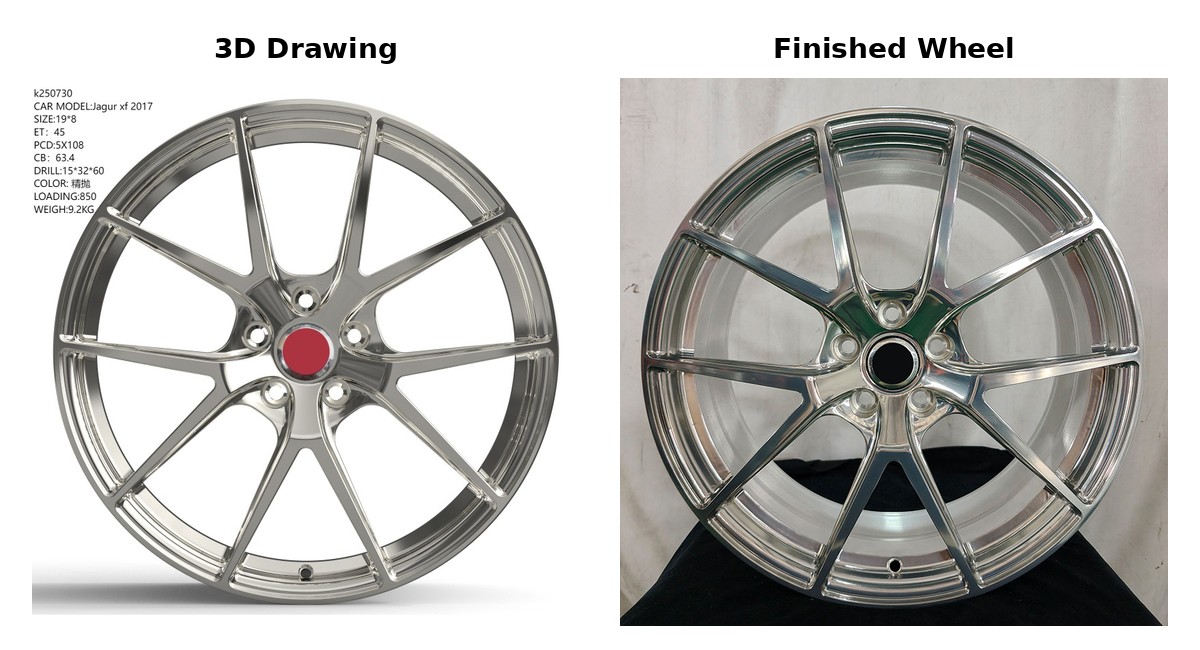
6061 forged wheels

What Is 6061-T6 Aluminum?

6061-T6 is a premium aluminum alloy widely used in aerospace and automotive applications. The "T6" refers to a heat treatment process that enhances strength and durability.

When this material is forged under extreme pressure, the result is a wheel that's:Stronger than cast wheels, lighter than flow formed wheels, more affordable than 7075 forged wheels

6 Key Advantages of 6061-T6 Forged Wheels

1. Perfect Balance of Strength and Toughness

Unlike harder alloys that can crack on impact, 6061-T6 offers excellent ductility. It can absorb shocks from potholes and curbs—bending slightly instead of shattering. This makes it ideal for real-world driving conditions.

2. Superior Strength-to-Weight Ratio

The forging process aligns the grain structure of the aluminum, removing the weak points found in cast wheels. You get a lightweight wheel that's strong enough for both street and track use.

3. Real-World Durability

For daily-driven sports cars and luxury vehicles, 6061-T6 forged wheels offer the ideal durability profile. They resist stress cracking and hold up well to years of aggressive driving.

4. More Affordable Than 7075

6061 aluminum is easier to source and machine than 7075. That means you get 90-95% of the performance at a significantly lower price point—the best entry point into true forged wheels.

5. Excellent Corrosion Resistance

With proper finishing, 6061-T6 wheels resist road salts, brake dust, and harsh weather. They're built to last in any climate.

6. Design Flexibility

The combination of forgeability and machinability allows for complex spoke designs and weight-saving sculpting that would be impossible with cast wheels.

Performance wheels for street

Why Our 6061-T6 Forged Wheels?

We start with aerospace-grade 6061-T6 aluminum, forge it under 10,000+ tons of pressure, and CNC-machine every detail to perfection. The result?

✅ Lightweight performance – Better acceleration, braking, and handling

✅ Unmatched strength – Built to handle the toughest roads

✅ Custom options – Any offset, width, or finish you want

✅ Investment that lasts – Wheels you'll keep for years

Forged rims

Ready to Upgrade?

👉 Browse our 6061-T6 forged wheel collection

👉 Contact us for custom sizing and design

Experience the difference that real forged wheels make.

Intelligent reactive power compensation capacitor bank

2026-04-01

Product Uses: Intelligent reactive power compensation capacitor banks are “energy-saving experts” in power systems.


Their main functions are:

  • Compensating for reactive power losses in the power grid, improving the power factor, and avoiding power factor penalties for the power sector; (B) Reducing line losses and improving the power supply efficiency of the power grid;
  • Stabilizing the power grid voltage, protecting electrical equipment, and extending equipment lifespan. Product Image.
low voltage capacitior bank


Core Components:

  • Intelligent Controller: Equivalent to the "brain" of the cabinet, it monitors the power factor, voltage, current, and other parameters of the power grid in real time and automatically switches capacitor banks.
  • Capacitor Banks: Reactive power "storage devices," switched according to  controller instructions to replenish the reactive power of the power grid.
  • Switching Switches: Commonly use thyristors or composite switches to achieve impact-free switching of capacitors, avoiding inrush current damage to equipment.
  • Fuses/Circuit Breakers: Provide overcurrent and short-circuit protection to ensure equipment safety.
  • Reactors: Suppress inrush current and power grid harmonics, protecting capacitors.


Customized adaptation to various scenarios: 

Based on your business in customizing electrical equipment, these cabinets can be tailored for different scenarios:

  • Hydropower scenario: Adapting to fluctuating loads of equipment such as pump stations and gates, customizing moisture-resistant and vibration-resistant cabinet structures, and enabling unattended operation with remote monitoring modules.
  • Industrial plant scenario: Designing group switching strategies for high-power inductive loads such as machine tools and air compressors, accurately compensating for reactive power.
  • Commercial building scenario: Customizing compact cabinets to fit the limited space of building power distribution rooms, and adding harmonic mitigation modules to handle nonlinear loads such as elevators and air conditioners.

Breaking traditions Deep dive into modern textile dyeing technologies

2025-04-23


1. According Fiber Moisture Absorption & Textile Dyeing Machine Selection, how to Match the Best Dyeing Equipment?

Hygroscopic properties of textile fibers directly affect process parameter setting of dyeing machine. ASTM D2654 test data shows moisture regain under standard conditions:  


  • High-absorption fibers (wool, cotton): Use airflow dyeing machine or overflow dyeing machine (60–98°C).  

√ Airflow dyeing machine: Saving 30% energy (liquor ratio around 1:3).  

Overflow dyeing machine: Flow speed is controlled as 15–25 m/min, workin temperaure is controlled as 60-98℃


  • Low-absorption synthetic fibers: Requires HT-HP dyeing machine (130–135°C).  

HT-HP dyeing machine: 135°C±2℃, 3–4 bar pressure.  

Low liquor ratio dyeing machines (1:5):  Amount of additives can be reduced by 20%.  


Industry data: Global airflow dyeing machine market grew 12.5% in 2023 (Textile World).  


wool fabric dyeing


2. What's the Key Parameters to Prevent Fiber Damage? Mechanical Properties and Equipment Choice. 

(According ISO 13934-1 standard)  

Fiber Type Recommended Machine  Key Parameters
High-strength(Nylon, polyester, etc.) Jet dyeing machine   Nozzle pressure 0.8–1.2 bar
Elastic fibers Softflow dyeing machine Tension 5–10N, Temp. <100°C
Delicate fibers Winch dyeing machine Max tension ≤15N


3. Chemical-Resistant Dyeing Solutions: Equipment for Acid/Alkali Environments  

  • Cellulosic fibers: Pad-steam continuous dyeing for reactive dyes.  

√ Requires: pH auto-control (10.5–11.5), steam box at 102°C±1℃.  


√ Requires: Acid circulation (pH 4–6), auto-leveling agent dosing.  


  • Synthetic fibers: high temperature high pressure dyeing machine for disperse dyes. 


4. Smart Dyeing Machines: Solutions for Fiber Fineness & Uniformity  

  • Microfibers: Microwave-assisted dyeing (2.45 GHz) boosts dye penetration by 25%.  
  • Coarse fibers: Beam dyeing machine with auto-tension and real-time color detection (ΔE<0.8).  


Case study: Lutai Textile achieved 98.5% first-pass success with German Dystar smart dyeing machines. 


nylon fabric


5. Innovative Dyeing Equipment for Specialty Fibers  

  • Ultrafine fibers: Low-temperature dyeing systems. 
  • Shaped fibers: Ultrasonic dyeing(15–25% better penetration).  
  • Flame-retardant fibers: Precision temperature control (max 1°C/min heating rate).  


6. Development of Eco-Friendly Dyeing Machines

  • Supercritical CO₂ dyeing: Zero wastewater, >95% dye uptake (vs. 60–70% traditional).  
  • Plasma pretreatment: Cuts energy use by 30%.  
  • Bio-enzyme machines: Reduce COD emissions by 40–50%.  


What's the Dyeing Equipment Selection Processing? 

  1. Fiber analysis → Choose specialized machine.  
  2. Physical tests → Set tension parameters.  
  3. Chemical check → Pick corrosion-resistant materials.  
  4. Optimization → Use smart control systems. 


How to overcome the challenges of deep dyeing?

2025-04-23

Breaking Through the Barriers in Deep Dyeing: Strategies and Solutions


In textile dyeing industry, dyeing effect of dark fabric directly impacts product value and market competitiveness. However, production often faces challenges:  
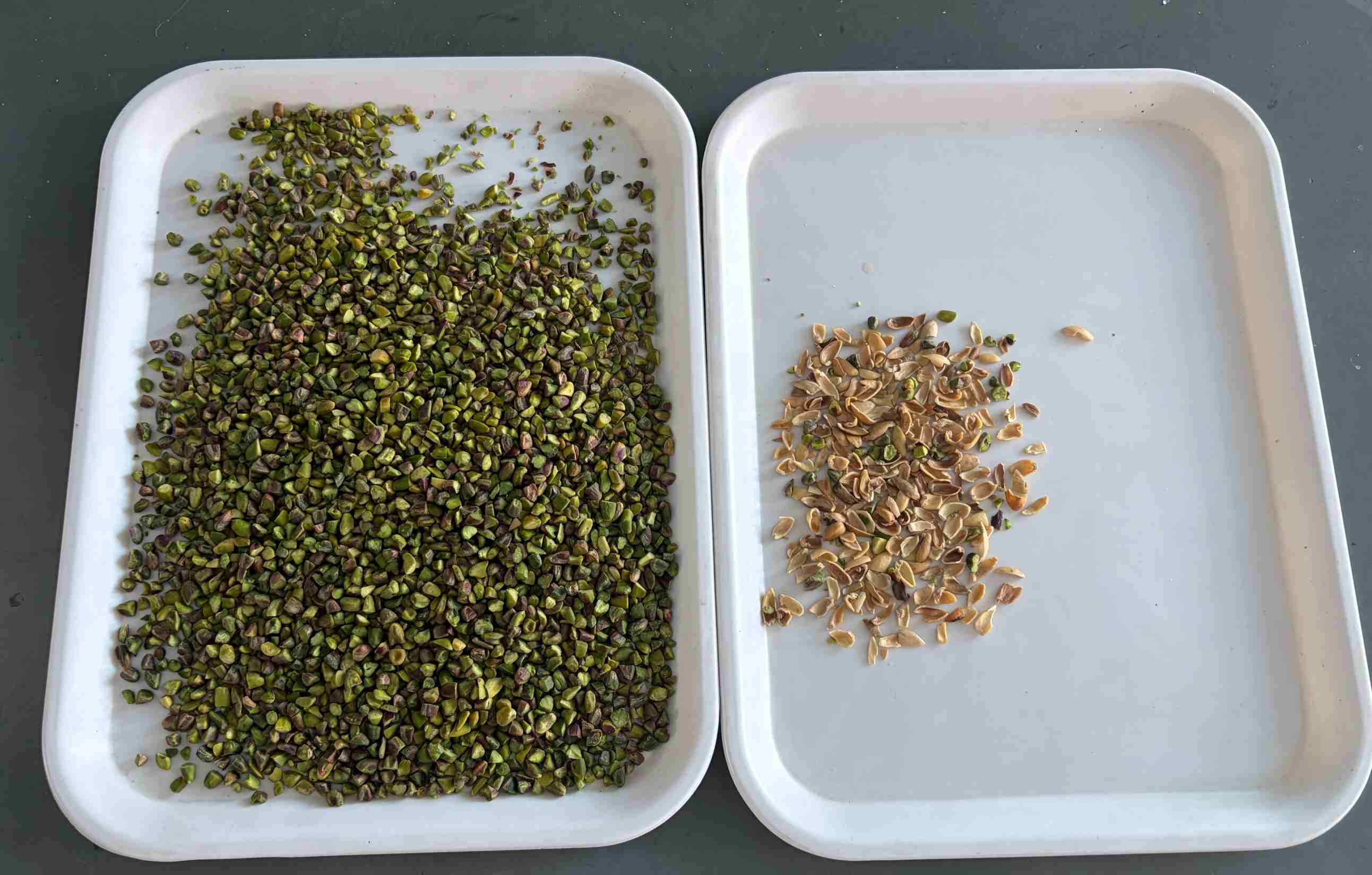
Customers demand for deep colors (e.g., jet black, navy) often fall short.  

Repeated dye additions spike costs and environmental pressure.  

High-temperature, high-pressure dyeing keeps energy consumption high.  

Aging equipment struggles with modern deep-dyeing technology requirements.  
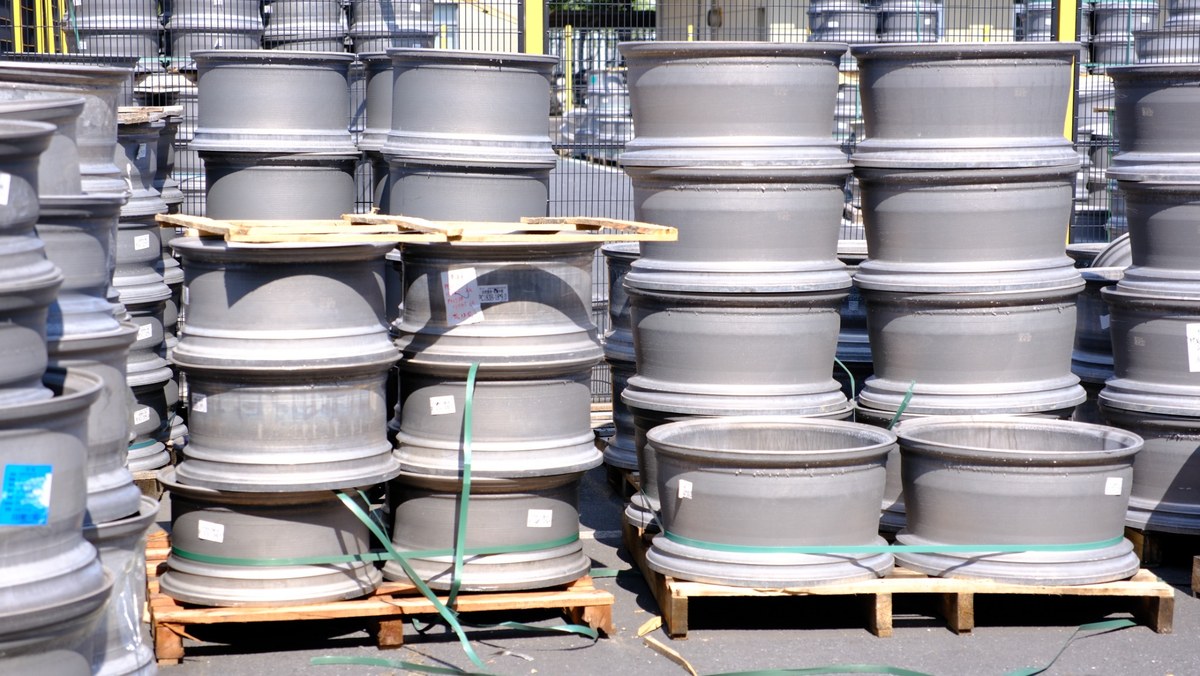
 

Let's understand some theories and principles of the basic dark effect firstly:

1. Chromophores 
The core of dark color effect is regulation of absorption wavelength of the light wave by molecular structure of dye. Dark effect can be achieved by group substitution of absorption wavelength redshift (such as thiomethyl substitution of hydrogen atoms), because the dye molecular structure has both chromophores (wavelength range 380-780mm) and chromophores.

Example: Modifying triazole disperse dyes by replacing hydrogen with "thiomethyl (CH3S-)" group.  

Applicable fibers: Nylon/acetate.  

Results: 30%+ deeper shade, wash fastness 4–5, light fastness 6.  


2. Surface Optics

In K/S value evaluation system, adjusting fabric microstructure (e.g., diffuse reflection) enhances visual depth.  


3. Dyeing Kinetics 

Traditional methods focus on dye uptake rate, this method is very clear for dark-colored effect and reaction effect is obvious, so it is one of the primary considerations for dyeing work. The dyeing rate is directly related to adsorption/diffusion rate of dyes, swelling degree of fibers and the molecular structure of dyes affect the penetration depth.

  • Higher temperatures (≤130°C for polyester) improve penetration but risk fiber damage.  
  • Electrolytes boost dyeing but must be added gradually to prevent aggregation.  
  • Low-temperature auxiliaries reduce energy use and protect heat-sensitive dyes.  


high temperature fabric deing machine


Speaking of this, choice of suitable dyeing machine model is also the hardware basis of dark dyeing. Choosing the right dyeing machine is one of the steps to enhance dark color effect. Different fiber and dye series need to be matched with specific equipment: 

1) High-Temperature Overflow Dyeing Machine  

TY-JL636 HTHP Overflow Dyeing Machine is suitable for dyeing synthetic fibers such as polyester and nylon with disperse dyes. The design working maximum temperature is 140°C, facilitating fiber swelling and dye penetration. Equipped with precise temperature control system, reduce hydrolysis rate of dyes (temperature deviation controlled within ±0.5–1°C). Combined with its newly designed structure, this model dyeing equipment achieves ultra-low bath ratio 1:6, reducing dye consumption by 30%.


2) Airflow Dyeing Machine 

The airflow dyeing machine is ideal for dark dyeing processes of sensitive fibers (such as microfiber polyester). Driven by high-speed airflow to circulate fabric, it effectively minimizes color variation caused by mechanical friction. Compared to traditional overflow dyeing machines, this technology significantly reduces energy consumption of water and steam.


3) Jet Dyeing Machine

Jet dyeing machine is equipped with high-pressure jet system, which enhances penetration ability of dye liquor. This makes it particularly suitable for achieving uniform dyeing on high-density fabric (such as curtain fabric) while  improving the K/S value significantly.


TY-JL636 fabric dyeing machine


In addition to understanding principles and how to select suitable dyeing machines for achieving excellent deep color effect, there are other key approaches.

A. Enhanced pre-treatment measures 

Alkali Deweighting:

The alkali deweighting rate of polyester fabrics should be precisely controlled within 10%-20%. This process significantly reduces fiber surface roughness (Ra value decreases by 30-50%). Key parameters requiring strict control include:

  • Alkali concentration gradient (recommended: 5-8% NaOH solution)
  • Temperature uniformity (maintained at 98±1°C)
  • Reaction time (adjusted to 30-60 min based on fabric weight)

Two industrial process routes currently exist: batch-type dyeing machines and continuous alkali deweighting equipment. Laboratory comparative tests demonstrate that continuous equipment reduces the deweighting CV value from 12.3% to 5.8%. Prioritizing continuous systems is advised to ensure uniformity and avoid localized over-hydrolysis-induced strength loss (warp breaking strength reduction should be controlled below 15%).


Plasma Treatment:

A plasma treatment system is recommended for functional high-end fabrics (atmospheric pressure plasma equipment is advised). This technology proves particularly effective for pre-treating cellulose-blended fabrics like linen and ramie. After 300-500W radio frequency power treatment:

  • Fiber contact angle decreases from 120° to below 30°
  • Dye uptake rate increases by 18-25% (K/S value improves by 0.5-1.2)
  • Color fastness enhances by 0.5-1 grade

Equipment selection must balance processing efficiency (recommended line speed ≥20m/min) with ROI period (CAPEX payback should be ≤36 months). Modular designs are recommended to accommodate diverse production requirements.


B. Chemical Modification of Fibers

Cationic Modification: Applicable to cellulose fibers (regenerated textile materials made from natural plant cellulose). By directly adding quaternary ammonium reagent (e.g., CHPTAC) into fabric dyeing machine, positive charge groups are introduced to enhance binding with cationic dyes (This method enables simultaneous cellulose modification and dyeing in a one-bath process, effectively shortening production steps and reducing energy consumption). K/S value can increase by 100%-200% after modification. However, attention should be paid to the uniformity of modification and its impact on fiber strength.


Bioenzyme Treatment: Cellulase treatment is applied to natural fibers like cotton/linen. The enzyme decomposes amorphous regions of cellulose fibers, disrupting the crystalline structure on the fiber surface to create micro-pores and cracks. This process:

  1. Increases effective contact surface area, enhances dye adsorption sites
  2. Removes partial impurities from natural fiber surfaces, reduces dye penetration resistance
  3. Improves fiber hydrophilicity, accelerates dye solution penetration

This modification mechanism optimizes both the physical structure and chemical properties of fibers for enhanced dyeability.


C. Rare Earth and Deepening Agents

Rare Earth Application: Dyeing machine with automatic dosing system to precisely control addition of rare earth chloride (LaCl₃), improving dye uptake rate by 1.52 grade. However, wastewater treatment requires use closed-loop recycling dyeing system.


Selection of Deepening Agents: Resins with good compatibility with dyes (e.g., modified silicones) can be prioritized to avoid color shifts caused by post-finishing. For example, deepening agent containing nanoparticles can be used for polyester deep black dyeing to enhance blackness through diffuse reflection.


dyestuff of dyeing fabric


The achievement of dark dyeing effects constitutes a systematic engineering endeavor that requires synergistic coordination among dyeing & finishing equipment, dyeing technology parameters and dye chemical systems. During process design phase, manufacturing enterprises must scientifically select compatible dyeing machine models and auxiliary systems based on the differential characteristics of textile fibers. Notably, with iterative upgrades in intelligent dyeing control technology, dyeing processes are progressively realizing technological breakthrough toward high-precision controllable process and low-energy consumption production mode. This evolution signifies that dyeing-finishing industry is poised to usher in new era of intelligent process innovation.

What's the outlook of hank yarn dyeing machines market?

2025-04-23

Market Outlook for Twill Dyeing Machines: Growth Opportunities and Challenges in the Era of Technology-Driven Innovation

------The transformation wave from the traditional textile industry to intelligent manufacturing


The textile industry, as one pivotal pillar of the national economy, has consistently maintained stable growth trend in market demand. Especially in sectors such as apparel, home furnishings, and automotive interiors, the demand for color-rich and high-quality yarns is increasing daily. Hank yarn dyeing machines, as critical equipment for meeting this demand, naturally experience corresponding surge in market demand. With consumers' pursuit of personalized and differentiated products, hank yarn dyeing equipments play an irreplaceable role in providing diverse colors and patterns, further driving the development of their market.


I. Market Status and Growth Drivers

However, the global hank yarn dyeing machine market is undergoing structural changes. According to Grand View Research, the global skein dyeing equipment market reached $1.23 billion in 2023, with projected compound annual growth rate (CAGR) of 6.8% from 2024 to 2030. Hank dyeing machine occupy significant share within this segment. The core drivers of growth include:


1. Upgrading Demand in the Textile Industry Chain: Apparel, home textiles, and industrial textiles have seen a surge in demand for high-quality colored yarns. Traditional fiber dyeing is shifting towards yarn dyeing to enhance color fastness and uniformity.

2. Policies Promoting Sustainable Production: The European Union's Green Deal and China's "dual carbon" targets are forcing enterprises to adopt hank dyeing equipment with low water consumption and low chemical residues to replace outdated capacity.


3. Capacity Expansion in Emerging Markets: The textile industries in Southeast Asia (Vietnam, Bangladesh), and India are rising. New factories are purchasing automated dyeing equipment to undertake international orders.


II. Technological Innovation Reshaping the Competitive Landscape

The technological iteration of hank yarn dyeing machines has become market watershed. Leading companies are seizing market share through innovations such as:

automated hank dyeing machine

Intelligent Control Systems: Integrating PLC and AI algorithms to achieve real-time dynamic adjustment of dyeing temperature, pH value, and liquor ratio, reducing manual intervention (e.g., Germany's Thies "SmartDye" system).

Low Liquor Ratio and Water-Saving Designs: New hank yarn dyeing machines have reduced liquor ratios from 1:10 to below 1:5, saving over 40% of water.

Multi-Material Compatibility: Adapting to the diverse dyeing needs of cotton, polyester, blended yarns, and recycled fibers (like rPET), expanding application scenarios.


Case Study: China's Honghua Numeng has launched the "Cloud Dyeing" intelligent yarn dyeing machine, which utilizes an IoT platform for remote monitoring and process optimization, reducing customers' energy consumption costs by 18%.


III. Regional Market Differentiation and Opportunities

1. Asia Dominates Global Capacity:

China (accounts for 35% of global production): Local brands such as Fong's Industries and Yuexin Machinery occupy the mid-end market with cost-effectiveness advantages and are making breakthroughs towards the high-end market.

India, Vietnam: Policies supporting the textile industry have led to strong import substitution demand. India's hank yarn dyeing machine imports increased by 22% in 2023.


2. High Barriers in the European High-End Market:

German and Italian brands (e.g., Brazzoli, Astra) dominate the high-end market with equipment prices exceeding $500,000, focusing on environmental certifications and customized services.


3.Untapped Potential in Africa:

Textile park construction in countries like Ethiopia and Kenya drives equipment demand, but limited funds and technical acceptance mean second-hand equipment still dominate.

dyeing machine market

IV. Challenges and Risk Warnings

1. Cost Pressure: Rising raw material prices for stainless steel and sensors are squeezing the profit margins of small and medium-sized enterprises.

2. Technical Thresholds: Customers have extremely high requirements for equipment stability, and new entrants need 5-8 years of technical accumulation to establish a reputation.

3. Intensifying Regional Competition: Local brands in Turkey and Pakistan are competing for market share with low-price strategies.


V. Future Outlook: Three Trends

1. Standardization of Green Dyeing: Equipment compatible with zero wastewater discharge and bio-based dyes will become market entry thresholds.

2. Innovation in Service Models: Transitioning from selling equipment to providing comprehensive solutions including "equipment + process packages + cloud services" (e.g., subscription models based on dyeing volume).

3. Miniaturization and Modular Design: Meeting the flexible production needs of small factories and lowering the initial investment threshold.


Hank yarn dyeing machine market has entered new cycle driven by both "technology and environmental protection." Companies need to build our core competitiveness in intelligence, water-saving performance and localized services to seize the trillion-level market opportunities presented by the low-carbon transformation of the global textile industry. For investors, focusing on emerging capacity layouts in Southeast Asia and potential technical acquisition targets in Europe may represent the next value troughs.


___________________________________________


Source: Grand View Research, Textile World, China Textile Industry Federation (Annual Report 2023)


2025 Beijing Analysis and Testing Academic Report and Exhibition BCEIA

2025-04-21

Exhibition time: September 10-12, 2025
Opening hours: 09:00:00-18:00:00

Address: China International Exhibition Center (Shunyi New Hall) - No. 88 Yuxiang Road, Shunyi District, Beijing, China

globalequipx Exhibition industry: experimental instruments

Organizer: China Association for Analysis and Testing

Duration: 2 years, 1 exhibition area: 35017.00㎡, number of exhibitors: 665, number of visitors: 31287


Advantages of doypack filling machines in the beverage market

2025-04-18

Driven by modern advanced technology, various advanced equipment has emerged, but spout pouch filling machines have always been the first choice for small and medium-sized enterprises. Doypack filling machines are known for their low cost and high efficiency, and are popular among local companies, especially in the African market. This article will take a deep look at these advanced equipment and explore their functions, advantages and their impact.


Learn about doypack packing machine 

The doypack packing machine is used to fill doypack bags with doypacks, which are convenient for pouring and resealing. These machines are versatile and can handle a variety of products from beverages to sauces, such as juice, ketchup, etc., as well as liquid daily necessities such as laundry detergent and shampoo. Due to the ability to customize the size and design of packaging bags, they have become the first choice for companies that meet the needs of different consumers.


            Advantages  

The first advantage is high efficiency. These machines can fill accurately and quickly, with a capacity of up to thousands of bags per hour (since the machines are fully automatic, only skilled workers are needed to complete the bagging), which greatly improves production efficiency and reduces unnecessary losses for the company.The second advantage is versatility. The ability of these machines to switch between different types of products (e.g., liquids like juice, water, and ketchup) as well as different bag sizes makes them a versatile product line.


The second advantage is versatility. The ability of these machines to switch between different types of products (e.g., liquids like juice, water, and ketchup) as well as different bag sizes makes them a versatile product line.

The third advantage is low cost. While the initial investment may be large, the long-term savings in labor costs, reduced waste, and high production efficiency make these machines an affordable option.

The fourth advantage is ease of operation. The intuitive design and automated processes of these machines make them easy to operate, even for users with limited technical knowledge.


                 Features

1. Touchscreen control: easy to operate and program.

2. Energy-saving design: reduces environmental impact and operating costs.

3. Integration capabilities: works seamlessly with existing production lines and other machines.

4. Customizable bag options: meets the specific needs of your products and brands.


Conclusion:

Pouch filling machines have always adhered to the concept of efficiency, low cost, and safety, and are favored by small and medium-sized enterprises in various countries. As the industry continues to develop, these machines also provide companies with the tools they need to meet the needs of modern consumers.

Tags