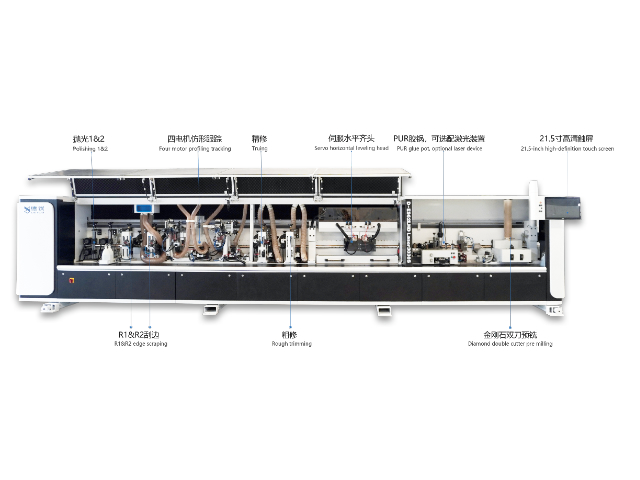
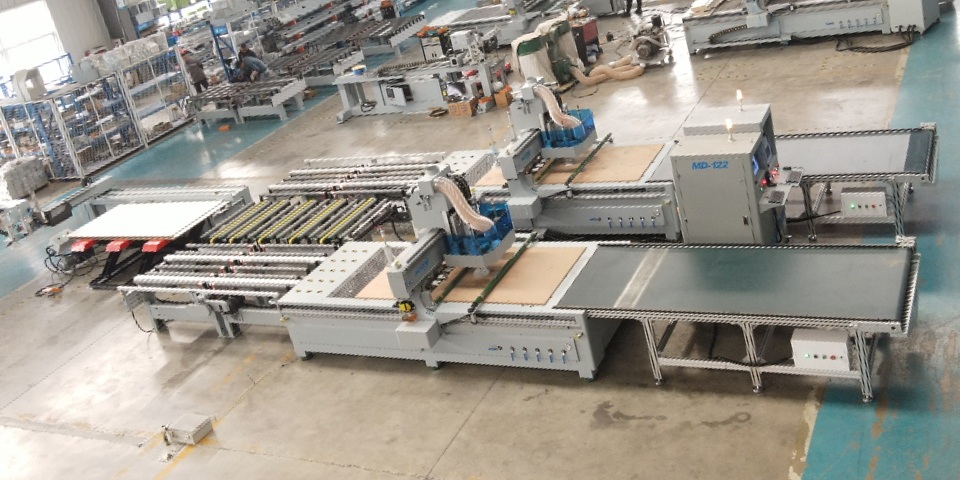
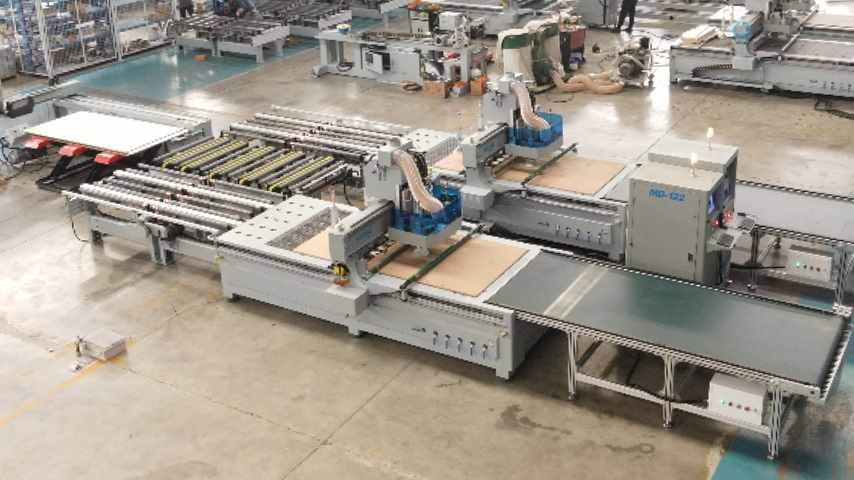
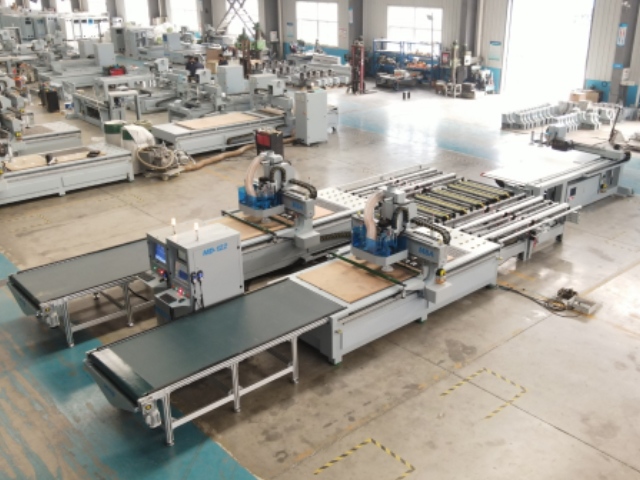
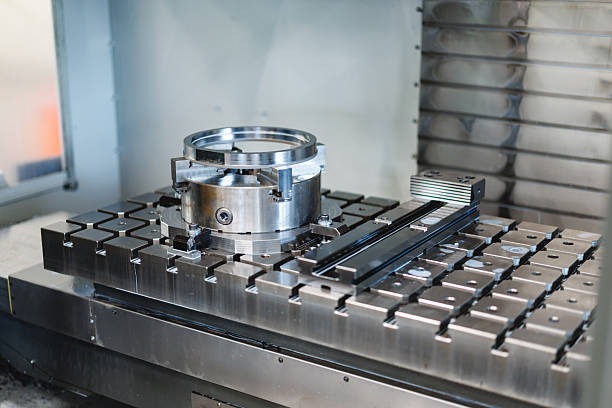
With improvements in machine design, automation, spindle technology, and CNC control systems, Indian lathe machine manufacturers are increasingly serving both domestic and international markets. Their machines are widely used in automotive, aerospace, defense, oil and gas, engineering, and general manufacturing industries.
As demand for productivity, accuracy, and cost-effective machining continues to increase, choosing the right lathe machine manufacturer has become an important decision for manufacturers. Therefore, this article presents a list of the top lathe machine manufacturers in India, along with their key capabilities and areas of specialization.
Top Lathe Machine Manufacturers in India
|
Name
|
Founder
|
Headquarters
|
Special Features
|
|
Ace Micromatic Group
|
1973
|
Bangalore, Karnataka, India
|
CNC turning and lathe machines, machining centers, automation solutions, Industry 4.0 technologies
|
|
Bharat Fritz Werner (BFW)
|
1961
|
Bangalore, Karnataka, India
|
CNC turning centers, machining centers, 5-axis machines, smart manufacturing and automation solutions
|
|
Leader Machine Tools
|
1971
|
Batala, India
|
Conventional and CNC lathes, heavy-duty machines, VTLs, customized industrial machinery
|
|
CNC Yangsen
|
2007
|
India
|
Cost-effective CNC turning and vertical lathe machines, strong R&D, in-house manufacturing, global production capability
|
|
Esskay Lathe & Machine Tools
|
1982
|
India
|
Heavy-duty and CNC lathes, milling and drilling machines, reliable and economical machine tools
|
|
ABL Machine Tools
|
1985
|
Nagpur, Maharashtra, India
|
Heavy-duty CNC and conventional lathes, VTLs, boring machines, customized industrial solutions
|
|
Macpower Industries
|
1985
|
India
|
Light, medium and heavy-duty lathes, all-geared machines, milling, drilling and special-purpose machines
|
|
Hindustan Export & Import Corporation (HEI)
|
1945
|
India
|
CNC lathe machines, milling, grinding, multitasking machines, technical and after-sales support
|
|
Premier Lathe Manufacturing Company
|
1971
|
Rajkot, Gujarat, India
|
Precision and heavy-duty lathes, roll-turning machines, durable construction and customized solutions
|
|
Daljit Machines
|
1968
|
Ludhiana, Punjab, India
|
Medium and heavy-duty lathes, all-geared machines, grinding and customized industrial machinery
|
|
Rajkot Machine Tools
|
1980
|
Rajkot, Gujarat, India
|
Light, medium and heavy-duty lathes, all-geared machines, manual lathes and customized solutions
|
|
S&T Machinery
|
2015
|
India
|
CNC machining centers, high-speed production machines, 5-axis machining centers and automation solutions
|
|
Lokesh Machines Limited
|
1983
|
Hyderabad, Telangana, India
|
CNC machine tools, special-purpose machines, automotive machining solutions and precision production systems
|
|
Tirupati CNC Products
|
1988
|
Rajkot, Gujarat, India
|
CNC lathe and turning machines, turn-mill machines, VTLs, drilling and VMC solutions
|
1. Ace Micromatic Group
Type of Business: Manufacturer of CNC machine tools, automation systems, and advanced manufacturing solutions.
Location: India
Year Established: 1973
Manufacturer Introduction:
Ace Micromatic Group was established in 1973 and has grown into one of India's largest machine tool groups, providing comprehensive machining and manufacturing solutions.
Ace Micromatic developed extensive expertise in CNC machining and has installed more than 100,000 machines, supporting customers through a network of 70+ locations.
It specializes in CNC turning, milling, grinding, automation, Industry 4.0, additive manufacturing, sheet metal solutions, and machine monitoring technologies.
The group serves diverse industries with precision-focused machines, automation solutions, and productivity-enhancing technologies.
Business Scope:
- CNC Turning Centers and CNC Lathes
- CNC Vertical and Horizontal Machining Centers
- Precision CNC Grinding Machines
- Special Purpose Machines and Automation Solutions
- Additive Manufacturing and 3D Metal Printing
- IIoT, Machine Monitoring, and Industry 4.0 Solutions
- Sheet Metal Manufacturing Solutions
Recommended Reason:
Ace Micromatic Group is a strong choice for manufacturers looking for reliable CNC machines along with automation and smart manufacturing solutions. Its extensive product portfolio, large installation base, engineering expertise, and broad service network make it suitable for both high-volume production and precision machining applications.
2. Bharat Fritz Werner Limited (BFW)
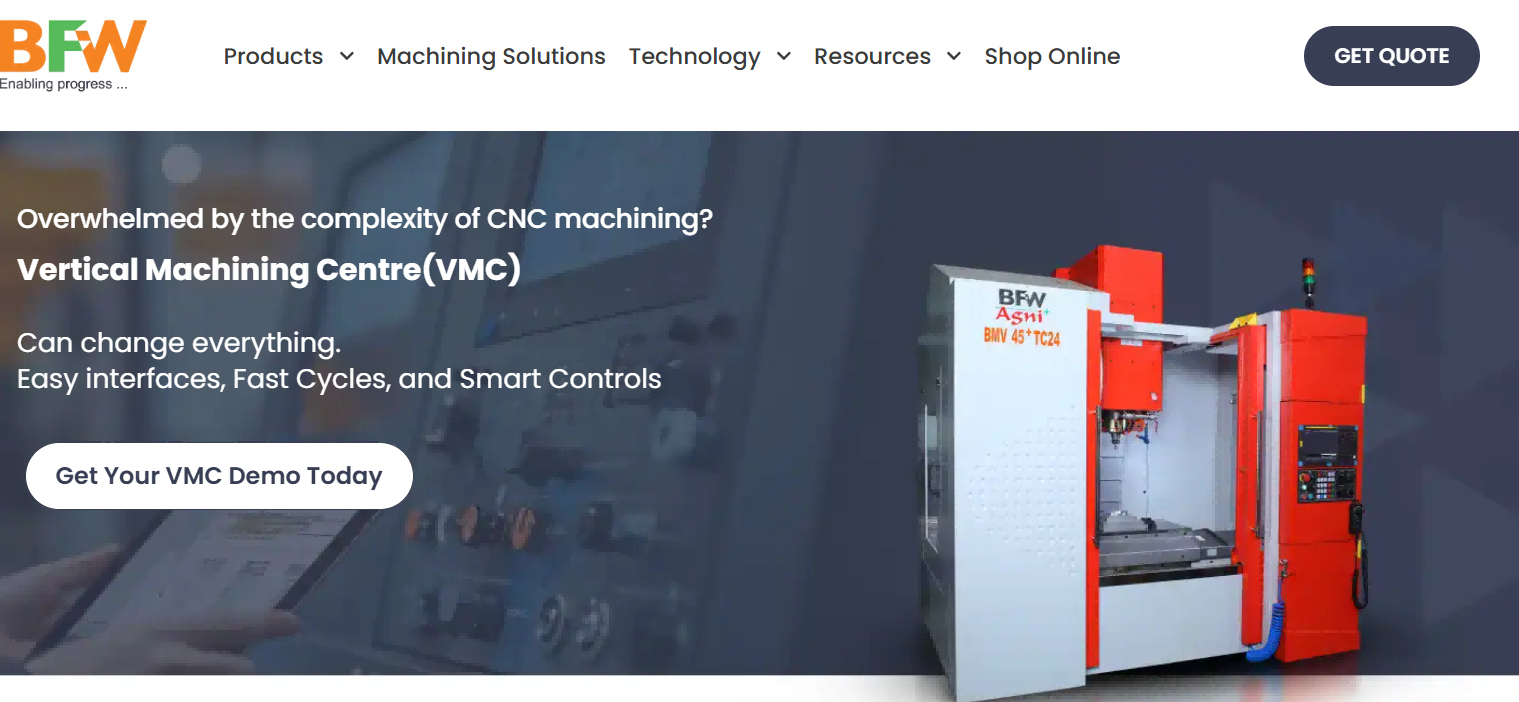
Type of Business: Manufacturer of CNC machine tools, advanced manufacturing technologies, and smart manufacturing solutions.
Location: India
Year Established: 1961
Manufacturer Introduction:
Bharat Fritz Werner Limited (BFW) was established in 1961 in collaboration with Fritz Werner Werkzeugmaschinen GmbH, Germany, and has grown into one of India's established CNC machine tool manufacturers.
The company has more than 60 years of experience in machine tool manufacturing and has evolved from a traditional machine manufacturer into a next-generation technology solutions provider serving domestic and global customers.
BFW manufactures CNC machining and turning solutions, including vertical machining centers, horizontal machining centers, turn-mill machines, and special-purpose machines.
BFW provides advanced machining solutions for automotive, aerospace, defense, medical, electronics, agriculture, and heavy engineering industries.
Business Scope:
- CNC Vertical Machining Centers
- CNC Horizontal Machining Centers
- CNC Horizontal and Vertical Turning Centers
- 5-Axis and Turn-Mill Machines
- Gantry and Double-Column Machining Centers
- Special-Purpose and Engineered Machines
- Smart Manufacturing, IoT, and Automation Solutions
Recommended Reason:
BFW is a strong choice for manufacturers seeking precision-focused CNC machines backed by extensive industry experience and advanced technology. Its broad product range, R&D capabilities, global installations, and focus on automation make it suitable for manufacturers with demanding production and machining requirements.
3. Leader Machine Tools
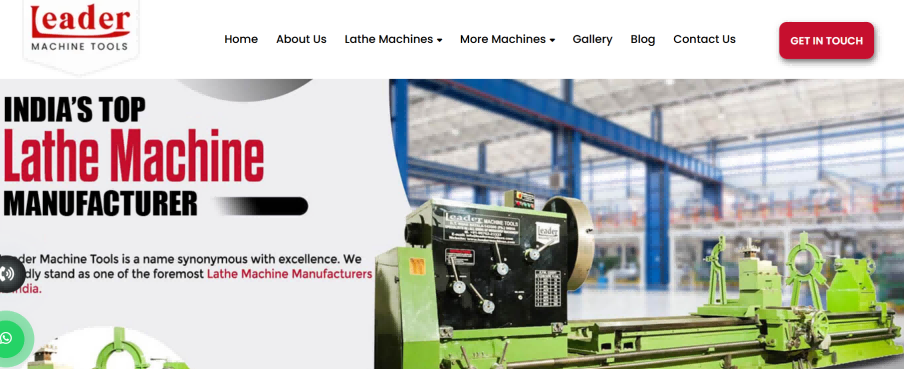
Type of Business: Manufacturer, supplier, and exporter of lathe machines, VTLs, milling machines, and industrial workshop machinery.
Location: India
Year Established: 1971
Manufacturer Introduction:
Leader Machine Tools was founded in 1971 by Shri Darshan Lal Sehdev and has developed into an established Indian manufacturer of industrial machine tools with more than five decades of engineering experience.
The company has built its reputation around precision, durability, and cost-effective machinery, and has served large industrial manufacturing units across India and international markets.
Leader Machine Tools manufactures a wide range of machines, including conventional and CNC lathe machines, vertical turning lathes, planer and milling machines, and customized workshop machinery.
The company supplies machines to industries such as railways, cement, textile, power, defense, automotive, and general engineering.
Business Scope:
- Conventional and CNC Lathe Machines
- CNC Roll and Big Bore Lathe Machines
- Vertical Turning Lathe Machines
- Planer and Plano Milling Machines
- Radial Drilling and Workshop Machines
- Customized Industrial and Special-Purpose Machines
- Machine Installation, Support, and Spare Parts
Recommended Reason:
Leader Machine Tools is a suitable choice for manufacturers looking for durable and cost-effective lathe and workshop machinery. Its more than 50 years of manufacturing experience, in-house production capabilities, customization options, and established customer base make it a reliable option for heavy-duty and general industrial applications.
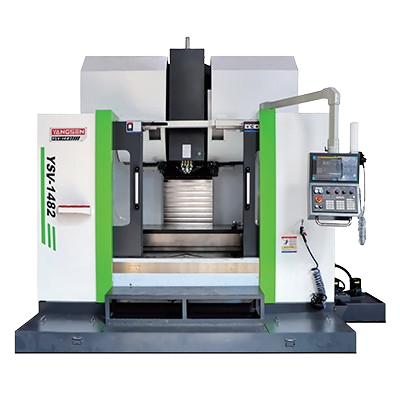
4. CNCYangsen
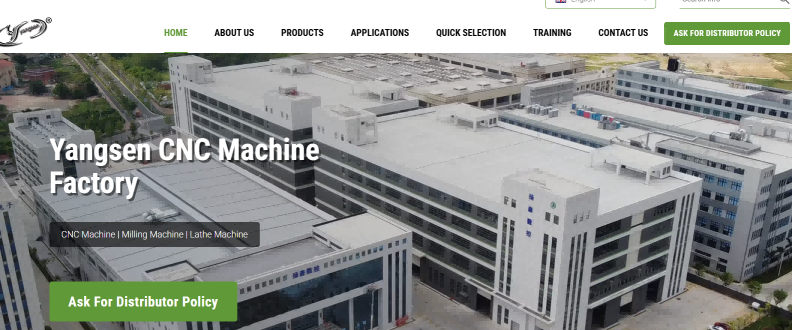
Type of Business: Manufacturer and exporter of CNC machine tools, machining centers, and precision manufacturing equipment.
Location: India
Year Established: 2007
Manufacturer Introduction:
The company’s manufacturing journey began in 2007, when founder Mr. Lin Yangbo transitioned from machine-tool distribution to manufacturing after gaining extensive experience serving customers in Fujian.
The company focuses on combining precision, rigidity, reliability, and cost-effectiveness in its CNC machinery.
Yangsen operates manufacturing facilities and maintains capabilities covering casting, machining, sheet-metal processing, assembly, research and development, and quality control.
The company states that its manufacturing area exceeds 10,0000 square meters and that it has an annual production capacity of more than 5,000 machine sets.
Business Scope:
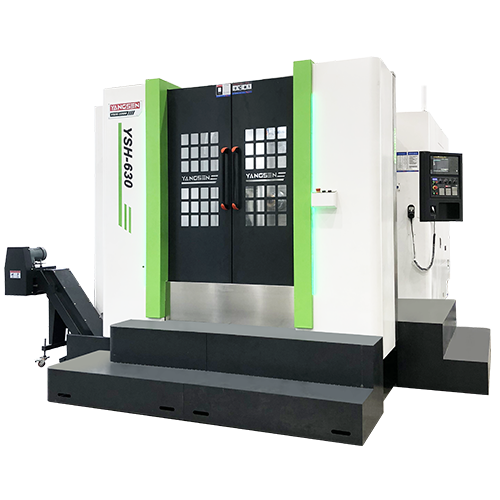
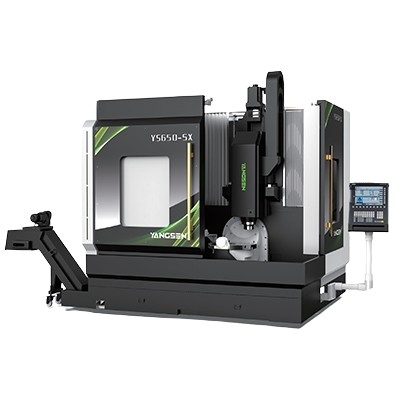
- CNC Vertical Machining Centers
- CNC Horizontal Machining Centers
- CNC Gantry and Double-Column Machining Centers
- CNC Drilling and Tapping Centers
- CNC Horizontal Boring Machining Centers
- CNC Vertical Lathe and Turning Machines
Recommended Reason:
Yangsen is a suitable option for manufacturers looking for cost-effective CNC machine tools with a focus on precision, rigidity, and reliable performance. Its range of vertical, horizontal, gantry, drilling, boring, and turning solutions allows manufacturers to select equipment according to different machining requirements.
5. Esskay Lathe & Machine Tools

Type of Business: Manufacturer, supplier, and exporter of lathe machines, CNC machines, milling machines, drilling machines, and industrial machine tools.
Location: India
Year Established: 1982
Manufacturer Introduction:
Esskay Lathe & Machine Tools was established in 1982 and has developed into a well-known manufacturer and exporter of industrial machine tools, with a strong presence in India.
The company has built its reputation by focusing on reliable machine performance, quality raw materials, precision engineering, and cost-effective solutions for different industrial machining requirements.
Esskay manufactures a wide range of machines, including all-geared and heavy-duty lathe machines, CNC lathes, milling machines, drilling machines, shaper machines, planer machines, and other workshop equipment.
Esskay has experienced professionals, quality assurance processes, modern machine tool technology, and a dealership network across major Indian cities.
Business Scope:
- Heavy-Duty Lathe Machines
- CNC Lathe Machines
- Milling and Planer Machines
- Drilling and Radial Drilling Machines
- Shaper and Power Press Machines
- Horizontal Boring Machines
Recommended Reason:
Esskay Lathe & Machine Tools is a suitable choice for manufacturers looking for reliable and economical machine tools with a wide product range. Its long manufacturing experience, focus on quality, low-maintenance machine designs, and domestic and international supply network make it a practical option for diverse industrial applications.
6. ABL Machine Tools
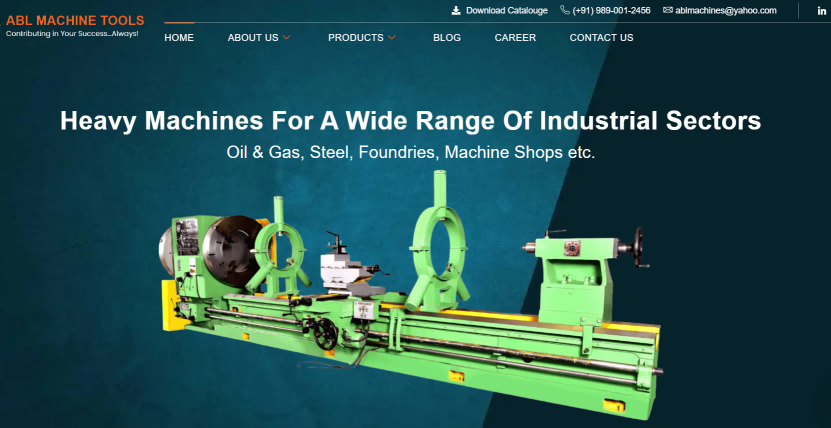
Type of Business: Manufacturer and exporter of heavy-duty CNC and conventional machine tools for industrial applications.
Location: India
Year Established: 1985
Manufacturer Introduction:
ABL Machine Tools was established in 1985, with its roots in machine tool design, and has grown into an established manufacturer of heavy-duty and specialized machine tools.
The company has developed extensive expertise in designing and manufacturing large and extra-heavy machines, serving demanding applications where durability, precision, and reliable performance are essential.
ABL manufactures heavy-duty lathes, oil country lathes, vertical turning lathes, roll turning machines, borers, milling machines, drilling machines, and hydraulic equipment.
Its machines are supplied to industries such as oil and gas, steel, power, cement, mining, heavy engineering, fabrication, and shipbuilding.
Business Scope:
- Heavy-Duty CNC and Conventional Lathe Machines
- Vertical Turning Lathes
- Facing Lathe Machines
- Boring Machines
- Radial Drilling Machines
- Special-Purpose and Customized Machine Tools
Recommended Reason:
ABL Machine Tools is a strong option for industries requiring heavy-duty and customized machine tools for demanding production environments. Its extensive experience, broad product portfolio, export presence, and expertise in large-scale industrial machinery make it suitable for heavy engineering and specialized machining applications.
7. Macpower Industries
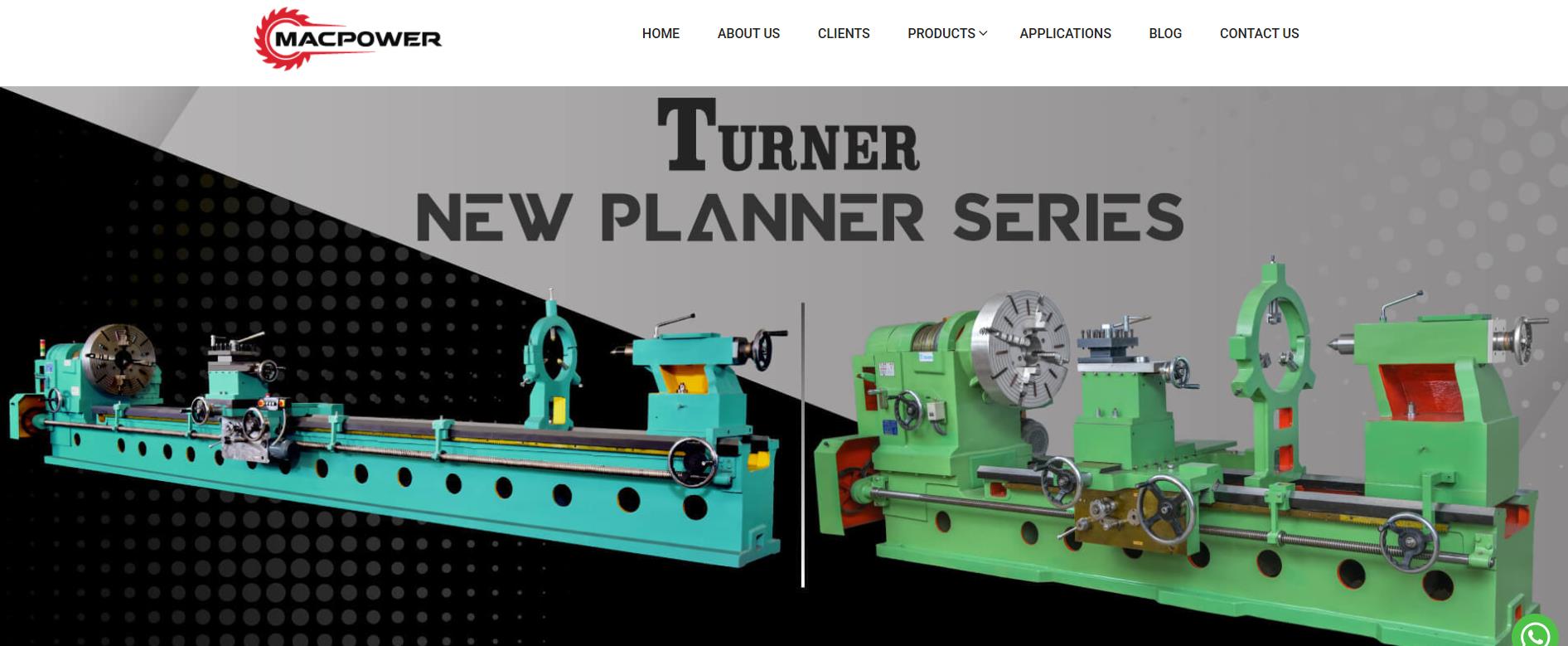
Type of Business: Manufacturer of lathe machines, milling machines, drilling machines, and special-purpose machines.
Location: India
Year Established: 1985
Manufacturer Introduction:
Macpower Industries was established in 1985 with a focus on manufacturing light-duty and heavy-duty centre lathe machines and has grown into an established machine tool manufacturer.
The company has developed a strong reputation through its TURNER and TURBO brands, with thousands of machines operating across India and international markets.
Macpower Industries manufactures a wide range of machines, including light, medium, and heavy-duty lathes, all-geared lathe machines, milling machines, drilling machines, and special-purpose machines for different industrial requirements.
CAD-based design facilities, quality control systems, and a well-equipped manufacturing workshop, the company focuses on producing cost-effective machines with reliable performance and long service life.
Business Scope:
- Light, Medium, and Heavy-Duty Lathe Machines
- All-Geared Lathe Machines
- Milling Machines
- Drilling Machines
- Special-Purpose Machines (SPM)
- Semi-Automatic and Automatic Milling Solutions
Recommended Reason:
Macpower Industries is a suitable choice for manufacturers looking for reliable and cost-effective machine tools with a wide range of configurations. Its long manufacturing experience, established brands, engineering capabilities, and focus on quality control make it a practical option for various machining applications.
8. Hindustan Export & Import Corporation Pvt. Ltd. (HEI)
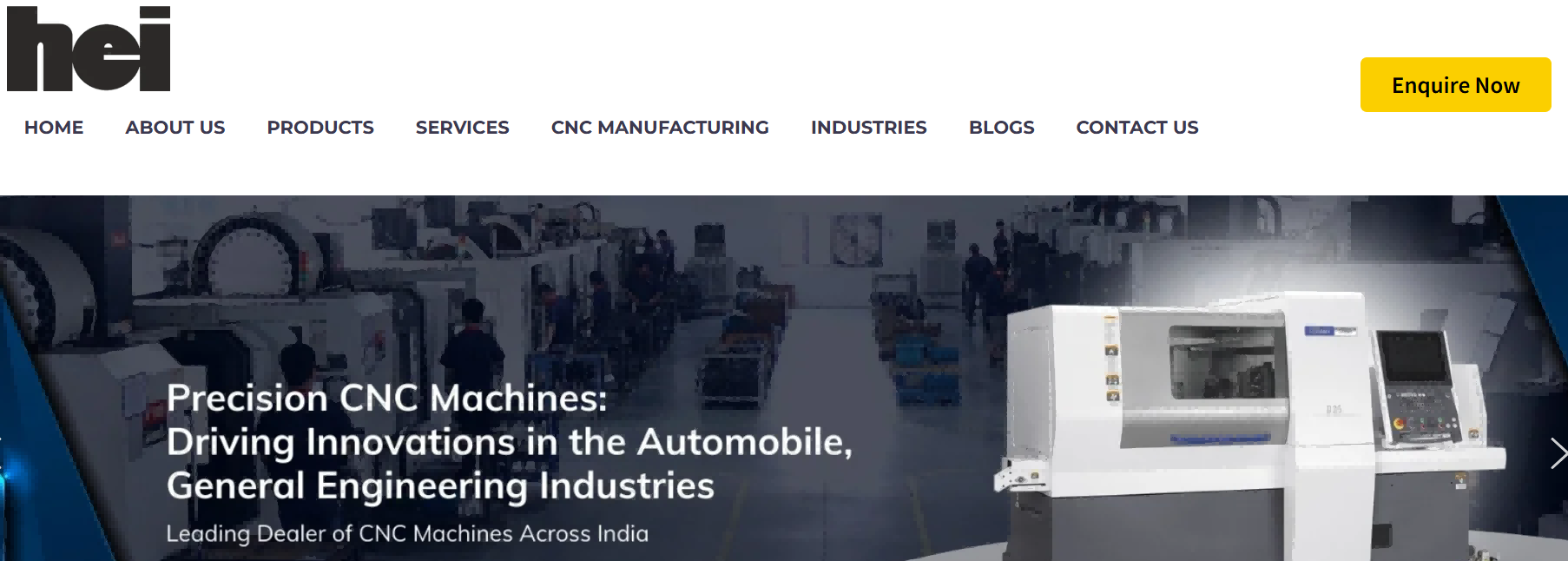
Type of Business: CNC machine supplier and dealer providing advanced machine tools, machining solutions, and after-sales services.
Location: India
Year Established: 1945
Manufacturer Introduction:
It was founded in 1945 by Mr. K.K. Grover and has developed into an established supplier and dealer of advanced CNC machines and machine tools in India.
The company has built its reputation by bringing sophisticated machinery from leading international manufacturers to Indian industries and has developed a nationwide marketing.
HEI offers CNC turning, milling, grinding, multitasking, sliding-head, tapping, and cutting machines from established global brands to meet different manufacturing requirements.
Supported by experienced engineers, sales offices, service centers, and long-standing international partnerships, it provides machine selection assistance, technical support, maintenance, troubleshooting, and after-sales services to industries across India.
Business Scope:
- CNC Turning and Lathe Machines
- CNC Milling and Machining Centers
- CNC Grinding Machines
- CNC Multitasking Machines
- CNC Sliding Head Machines
- CNC Tapping and Cutting Machines
Recommended Reason:
HEI is a suitable choice for manufacturers seeking advanced CNC machinery from established international brands along with technical and after-sales support. Its long industry history, nationwide presence, experienced engineering team, and global machine-tool partnerships make it a reliable option for precision manufacturing requirements.
9. Premier Lathe Manufacturing Company
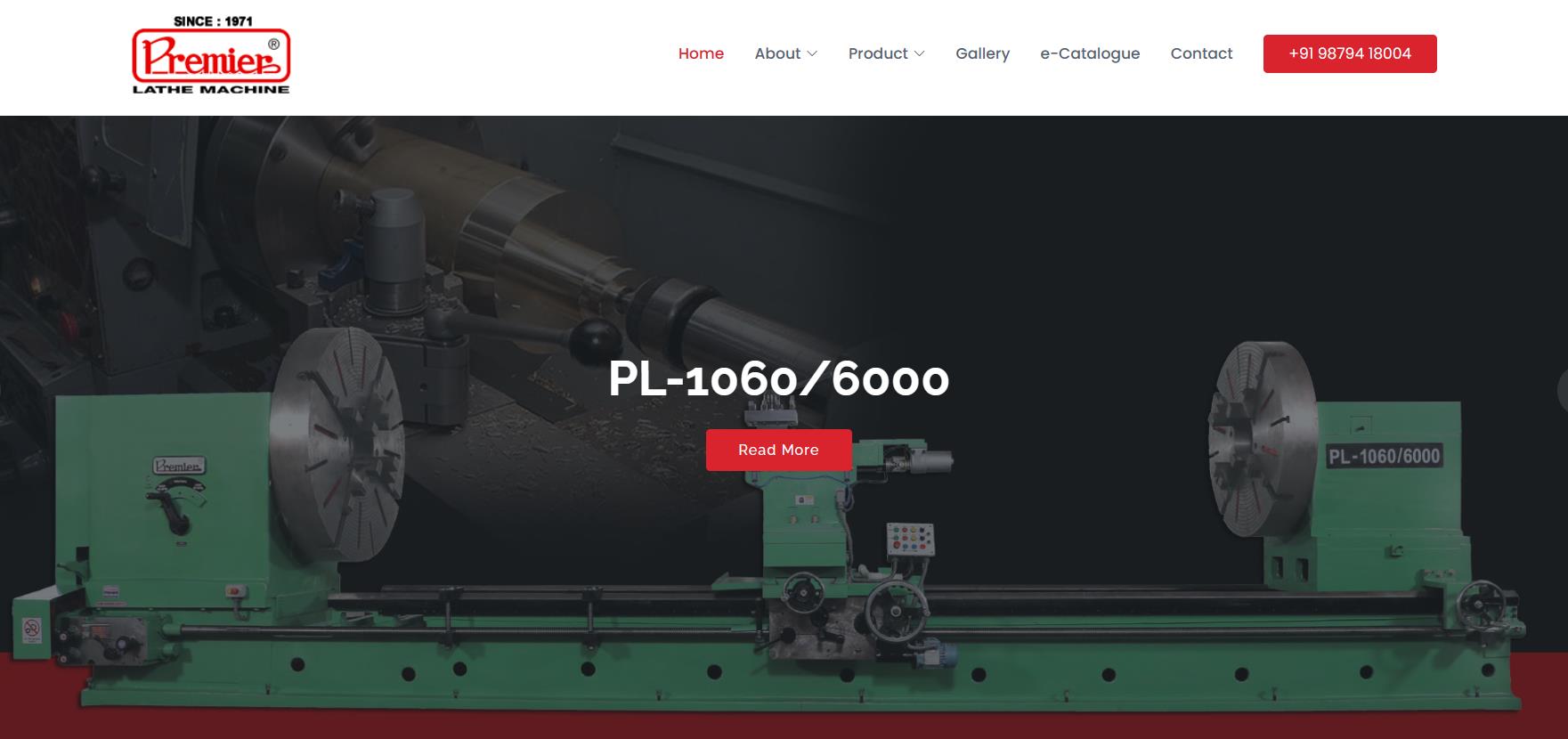
Type of Business: Manufacturer and exporter of conventional lathe machines, heavy-duty lathe machines, precision lathes, roll-turning machines, and industrial machine tools.
Location: India
Year Established: 1971
Manufacturer Introduction:
Premier Lathe Manufacturing Company was established in 1971 and has developed into an experienced Indian manufacturer and exporter of lathe machines.
The company has built its reputation around the manufacturing of reliable, durable, and precision-focused lathe machines for different workshop and industrial machining requirements.
The company focuses on using quality raw materials, precision manufacturing processes, and strict quality-control procedures to provide machines with consistent performance and long service life.
Its machines incorporate features such as induction-hardened bed ways, high-quality cast-iron beds, hardened and ground headstock spindles, and alloy-steel tailstock spindles.
Business Scope:
- Light-Duty Lathe Machines
- Medium-Duty Lathe Machines
- Heavy-Duty Lathe Machines
- Extra Heavy-Duty Lathe Machines
- Drill Machines
- Customized Lathe Machine Solutions
Recommended Reason:
Premier Lathe Manufacturing Company is a suitable choice for manufacturers looking for conventional, heavy-duty, and precision lathe machines from an experienced Indian manufacturer. It is a practical option for workshops and industries requiring reliable turning and machining equipment.
10. Daljit Machines
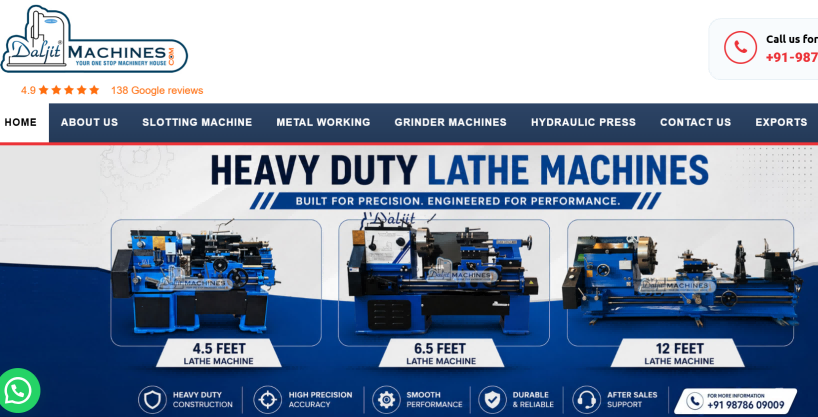
Type of Business: Manufacturer, supplier, and exporter of industrial machine tools, lathe machines, milling machines, drilling machines, shaper machines, hydraulic presses, and workshop machinery.
Location: India
Year Established: 1968
Manufacturer Introduction:
Daljit Machines was established in 1968 and has developed into an established Indian manufacturer and exporter of industrial machine tools with manufacturing experience.
The company manufactures a broad range of machinery for workshops, factories, engineering industries, and other industrial applications.
Its product portfolio includes medium and heavy-duty lathe machines, all-geared lathes, drilling machines, shaper machines, slotting machines, bandsaw machines, hacksaw machines, hobbing machines, and grinding machines.
Daljit Machines focuses on manufacturing durable and cost-effective machinery designed for long-term shop-floor performance.
The company also highlights its manufacturing infrastructure and foundry capabilities for producing cast-iron machine components, supporting its ability to manufacture robust industrial machinery.
Business Scope:
- Medium-Duty Lathe Machines
- Heavy-Duty Lathe Machines
- Bench Lathe Machines
- Tool and Cutter Grinders
- Surface Grinders
- Customized Industrial Machinery
Recommended Reason:
Daljit Machines is a suitable choice for manufacturers looking for durable and cost-effective conventional machine tools with a broad range of industrial applications. It makes a strong option for workshops, engineering companies, and heavy industrial applications.
11. Rajkot Machine Tools
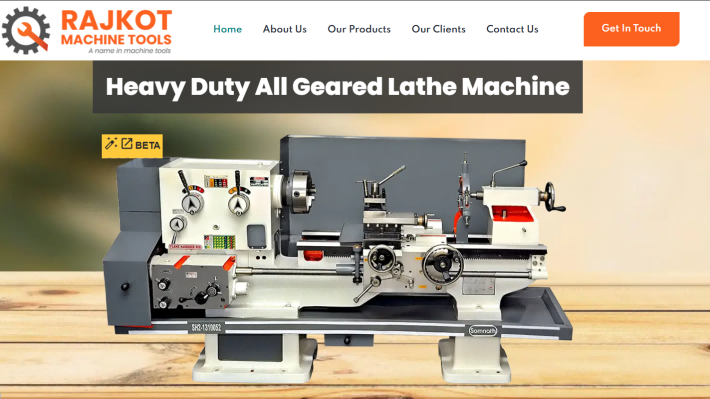
Type of Business: Manufacturer and supplier of conventional and all-geared lathe machines, milling machines, drilling machines, and industrial workshop machinery.
Location: India
Year Established: 1980
Manufacturer Introduction:
Rajkot Machine Tools was established in 1980 and manufactures lathe machines under the Somnath brand.
The company offers a range of conventional and industrial machines designed around durability, low maintenance, dependable performance, and cost-effective operation.
It focuses on quality-controlled manufacturing and uses selected materials and components to meet the requirements of different industrial applications.
Business Scope:
- Light Duty Lathe Machines
- Medium Duty Lathe Machines
- Heavy Duty Lathe Machines
- All-Geared Lathe Machines
- Manual Lathe Machines
- Milling Machines
- Customized Lathe Machine Solutions
Recommended Reason:
Rajkot Machine Tools is a suitable choice for manufacturers and workshops looking for dependable and cost-effective conventional lathe machines. Its more than four decades of experience, the Somnath brand, a broad machine range, a focus on quality assurance, and the ability to serve diverse industrial applications.
12. S&T Machinery
Type of Business: Manufacturer of CNC machine tools, machining centers, turning solutions, grinding machines, and advanced manufacturing equipment.
Location: India
Year Established: 2015
Manufacturer Introduction:
S&T Machinery, the manufacturing unit of S&T Group, was established in 2015 with a focus on making advanced CNC technology more accessible to Indian manufacturers.
It manufactures CNC machines through a combination of Taiwanese engineering technology and Indian manufacturing capabilities under the Make in India initiative.
The company has completed thousands of machine installations across different manufacturing segments and provides sales & service support through a nationwide network.
Its portfolio includes vertical and horizontal machining centers, high-speed production machines, graphite machining centers, and 5-axis machining centers.
Business Scope:
- CNC Vertical Machining Centers
- High-Speed Production VMCs
- Horizontal Machining Centers
- Double-Column Machining Centers
- 5-Axis Machining Centers
- Drill Tap Centers
Recommended Reason:
S&T Machinery is a strong choice for manufacturers seeking modern CNC machining solutions with a combination of advanced technology, Indian manufacturing, and nationwide technical support.
13. Lokesh Machines Limited
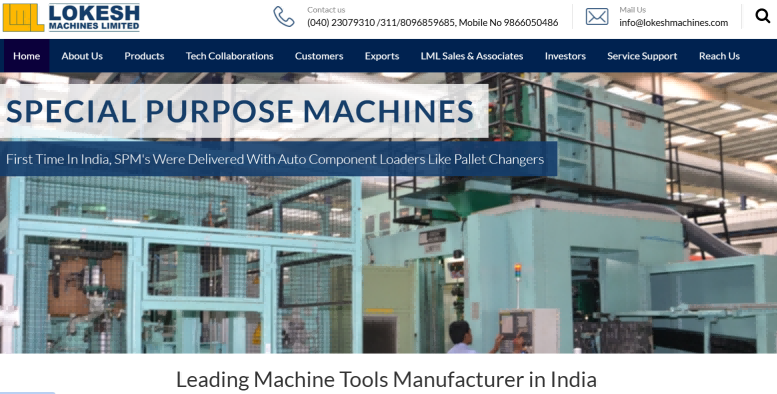
Type of Business: Manufacturer of CNC machine tools, special-purpose machines, and precision-machined auto components.
Location: India
Year Established: 1983
Manufacturer Introduction:
Lokesh Machines Limited was incorporated in 1983 and started commercial operations in 1985 in Hyderabad.
Lokesh specializes in CNC machine tools and customized special-purpose machines designed for demanding machining applications.
The company supplies machines to automotive OEMs, auto-component manufacturers, general industries, and international markets.
Its CNC machines have been exported to countries including Japan, Germany, the Netherlands, Italy, Turkey, China, and Middle Eastern markets.
Business Scope:
- CNC Machine Tools
- Finish Milling Machines
- Customized Automotive Machining Solutions
- CNC Machining Solutions
- Machined Engine Cylinder Blocks
- Fractured Connecting Rods
Recommended Reason:
Lokesh Machines Limited is a strong choice for manufacturers seeking specialized CNC and production machining solutions, particularly for automotive and high-volume manufacturing applications. It is suitable for companies requiring precision machining and automated production systems.
14. Tirupati CNC Products
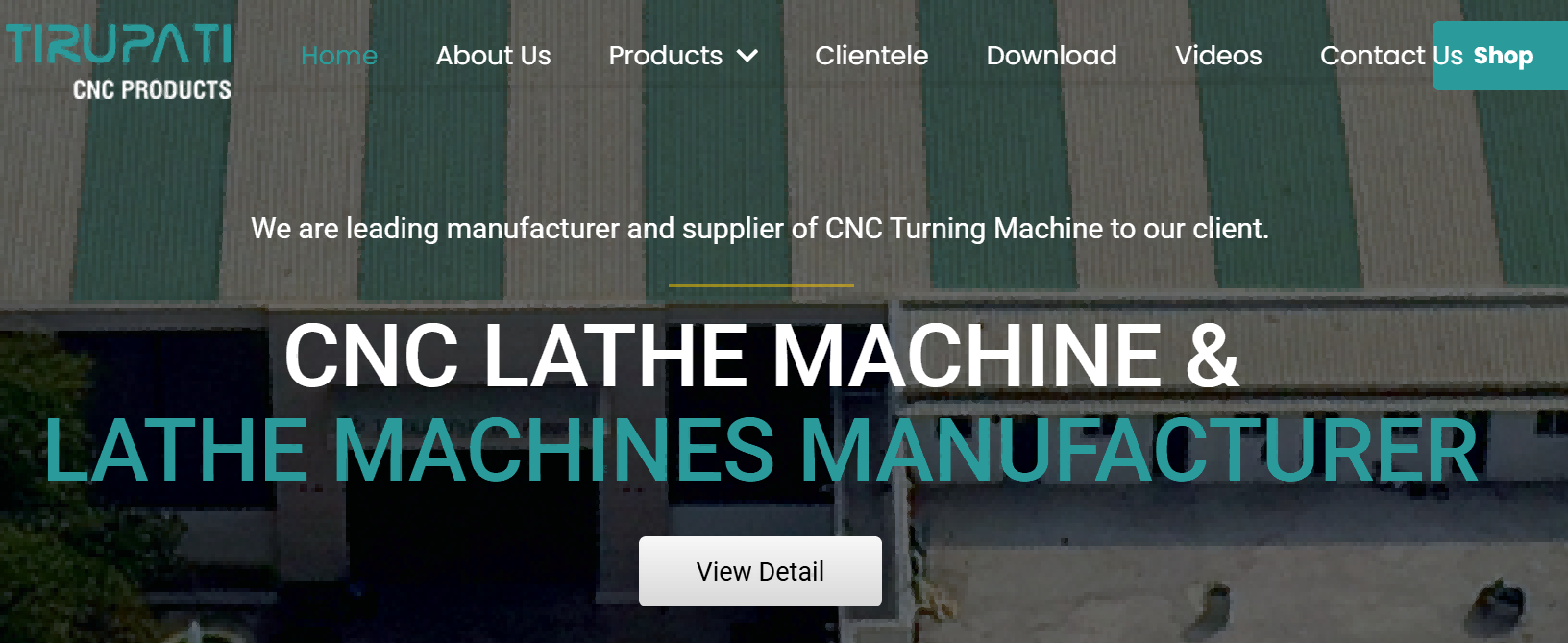
Type of Business: Manufacturer and supplier of CNC lathe machines, CNC turning machines, drilling machines, VMC machines, conventional lathes, and industrial machinery.
Location: India
Year Established: 1988
Manufacturer Introduction:
Tirupati CNC Products was established in 1988 as Tirupati Hydraulics in Rajkot, Gujarat, initially manufacturing different types of conventional lathe machines.
Tirupati CNC Products has expanded its product portfolio to include flat-bed CNC lathes, slant-bed CNC turning machines, CNC turn-mill machines, CNC oil-country lathes, CNC drilling machines, and VMC drilling machines.
The company operates a dedicated infrastructure covering manufacturing, quality control, research and development, sales, and marketing.
Its machines are developed using modern manufacturing technology and are available in different configurations to meet industrial machining requirements.
Business Scope:
- Flat Bed CNC Lathe Machines
- CNC Roll Turning Lathe Machines
- CNC Turn-Mill Machines
- CNC Drilling Machines
- VMC Drilling Machines
- VMC Machines
- VTL Machines
Recommended Reason:
Tirupati CNC Products is a suitable choice for manufacturers looking for a broad range of CNC and conventional machining equipment from an experienced Rajkot-based manufacturer. Its focus on timely delivery makes it a practical option for automotive, engineering, fabrication, and general manufacturing applications.
FAQs
1. What is a lathe machine?
A lathe machine is a machine tool used to rotate a workpiece while cutting tools remove material. It performs operations such as turning, facing, threading, drilling, and boring, and is widely used in various manufacturing industries.
2. Which industries commonly use lathe machines?
Lathe machines are widely used in automotive, aerospace, defense, oil and gas, railway, power, heavy engineering, fabrication, and general manufacturing industries for producing accurate and reliable components.
3. What types of lathe machines are available from Indian manufacturers?
Indian manufacturers offer conventional, all-geared, heavy-duty, CNC lathe, CNC turning, vertical turning, roll turning, oil-country, and customized lathe machines. The right machine depends on the workpiece, production volume, and machining requirements.
4. How do I choose the right lathe machine manufacturer in India?
Consider factors such as machine precision, build quality, product range, customization options, manufacturing experience, CNC technology, after-sales support, spare parts availability, and service network before selecting a manufacturer.
5. What are the advantages of CNC lathe machines over conventional lathe machines?
CNC lathe machines provide higher accuracy, repeatability, productivity, and automation. They are suitable for complex machining operations, high-volume production, and applications requiring consistent machining quality.
Conclusion
Choosing the right lathe machine manufacturer is essential for achieving machining accuracy, reliable production, and long-term efficiency. The manufacturers listed in this guide offer different solutions, from conventional and heavy-duty lathes to advanced CNC turning and vertical turning machines.
For manufacturers seeking cost-effective and reliable CNC machining solutions, CNC Yangsen offers CNC vertical lathe and turning machines with a focus on precision, rigidity, and reliable performance. Contact CNC Yangsen today to explore the right CNC solution for your machining and production requirements.


 WhatsApp:'+86 15358102610