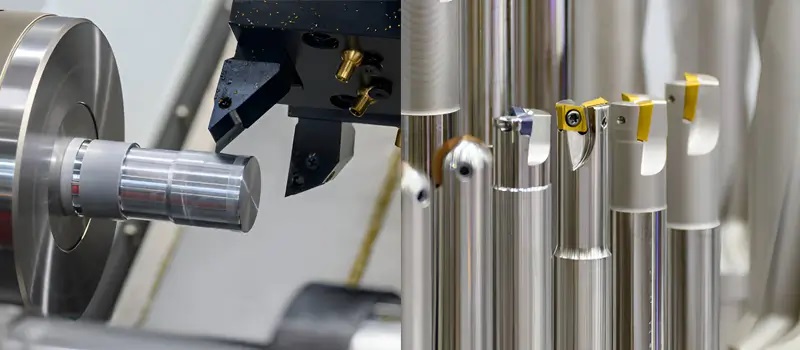
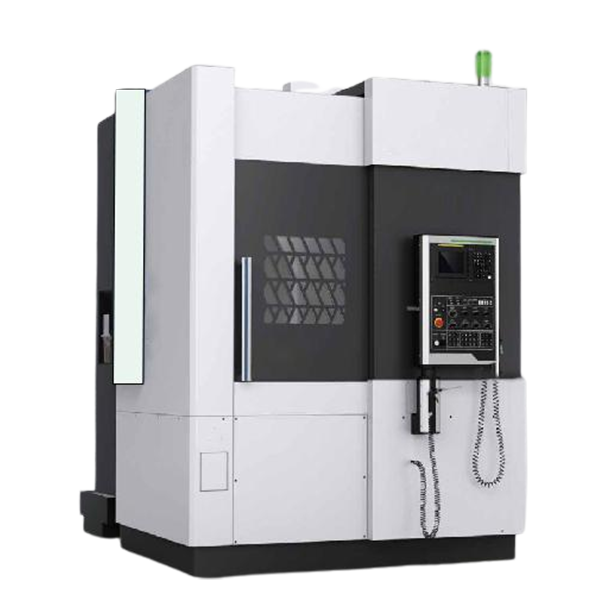
头部背景图片

Specific Applications of Color Sorter in the Nut Industry

2024-10-29

Color sorter technology plays a crucial role in the nut industry, enhancing product quality, safety, and efficiency. Here are some specific applications of color sorters in this sector:

1. Removal of Defective Nuts

Spotting Defects: Color sorter machines can detect defects such as black spots, mold, or discoloration on nuts. These defects are often indicators of spoilage or contamination, and removing such nuts helps ensure that only high-quality products reach the market.

Quality Assurance: By eliminating nuts with physical imperfections or undesirable color variations, color sorter improves the overall appearance and quality of the final product, which is essential for maintaining brand reputation and consumer satisfaction.

2. Contaminant Detection

Foreign Object Removal: Color sorter technology can help detect and remove foreign materials such as stones, metal fragments, or wood pieces that may be mixed with nuts. This is crucial for ensuring product safety and preventing potential hazards for consumers.

Mixing with Other Products: In cases where nuts are processed with other products or ingredients, color sorter helps segregate and remove non-nut materials or contaminants.

3. Sorting Different Nut Varieties

Variety Classification: Nuts come in various types and grades, each with distinct color profiles. Color sorter machines can sort nuts based on their color and appearance, which helps categorize different varieties and ensure that each type is packaged and marketed correctly.

Consistency in Product: Sorting nuts by variety ensures that each batch of nuts meets the specific quality standards expected by consumers and helps maintain consistency in product offerings.

 4. Enhancing Aesthetic Appeal

Visual Uniformity: Nuts with inconsistent color or appearance can be unappealing to consumers. Color sorter technology helps ensure the nuts are visually uniform, improving their market appeal and potentially commanding a higher price.

Brand Image: A well-presented product can enhance brand image and consumer trust. Consistently high-quality, visually appealing nuts help reinforce brand reputation and can lead to increased consumer loyalty.

5. Automating Production Processes

Efficiency: Traditional manual sorting of nuts is labor-intensive and time-consuming. Color sorter machines automate the sorting process, significantly increasing production speed and reducing labor costs.

Accuracy and Consistency: An automated color sorter ensures that each nut is assessed based on consistent criteria, leading to more accurate sorting and fewer errors compared to manual methods.

6. Optimizing Product Yield

Minimizing Waste: By effectively separating defective or non-standard nuts, color sorter helps reduce waste and increase the overall yield of marketable products. This contributes to more efficient use of raw materials and improved profitability.

Processing Efficiency: Efficient sorting means that only the best quality nuts are processed further, which can improve the efficiency of subsequent processing stages and reduce the incidence of rework or disposal of substandard products.

7. Practical Examples

Almonds: For almonds, color sorter machines can sort out those with defects such as dark spots or off-color kernels. This helps ensure that only premium almonds are packaged and sold.

Cashews: Cashew processing benefits from color sorter by removing broken or discolored nuts, ensuring that only whole, high-quality cashews are included in the final product.

Pistachios: Color sorter technology helps to identify and remove pistachios that are improperly colored or have shell defects, improving the overall quality and appearance of the product.

In summary, color sorter technology in the nut industry not only ensures higher quality and safer products but also enhances operational efficiency and product appeal. Its applications help producers meet consumer expectations and maintain a competitive advantage in the market.

The Working Principle of The Color Sorter

2024-10-29

Color Sorter is a highly efficient automated device widely used in food processing, mining, and chemicals to ensure product quality. Its working principle can be divided into the following key steps:

  1. Feeding System: The materials to be sorted are delivered to the feed inlet via a conveyor belt. The feeding device starts vibrating, spreading the material evenly on the feed chute. Under the action of the vibrating chute, the material automatically forms a continuous linear arrangement and enters the photoelectric detection system at a constant speed.
  2. Photoelectric Detection System: The machine is equipped with an LED light source inside, providing stable and uniform illumination for the material to ensure the most accurate color is displayed during detection. High-resolution cameras and sensors capture images of the material under specific lighting and send them to the image processing center for identification.
  3. Image Processing System: The acquired images are transmitted to the control system. Hawit’s independently developed algorithm analyzes the color, shape, and size characteristics of each object. Using this algorithm, the system compares the material's features with preset standards (such as color differences between qualified and defective products) to quickly identify the materials that need to be removed.
  4. Execution System: Once defective material is detected, high-pressure air valves control the opening and closing of high-pressure gas according to preset instructions. The air nozzles then blow the non-compliant material into the waste bin.
  5. Output System: After processing, the finished products and waste are separately sorted into different discharge outlets, ensuring efficient sorting is achieved.

What Is The Difference Between CNC Machine And CNC Lathe

2024-10-25

CNC machines are an important part of custom manufacturing and machining, but they aren't all the same. Two of the most common types are CNC lathes and CNC mills. While both rely on computer-controlled systems to shape materials with precision, they work in different ways.
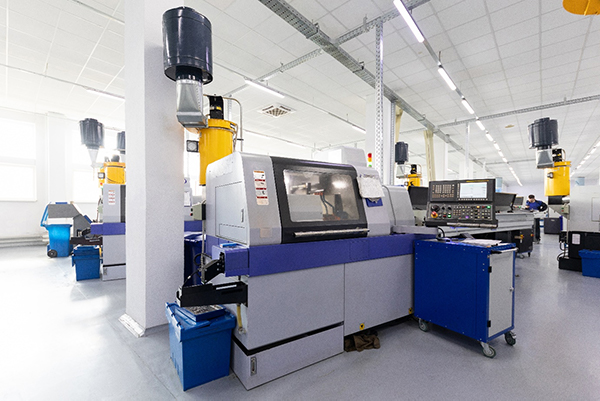


A CNC lathe rotates the material against a stationary cutting tool, while a CNC mill rotates the cutting tools around a fixed piece. Each machine has its own strengths and is better suited for specific tasks. Understanding the differences between them will help you choose the right tool, improve efficiency, and get the best results for your project.

This guide will break down what each machine does, how CNC lathe works, and why knowing the difference between CNC machine vs CNC lathe can save you time and improve your results.


Importance of Understanding the Differences Between CNC Machines and CNC Lathes

Understanding the difference between CNC machine vs CNC lathes is important for making the right choices in any machining or fabrication project. Both machines handle tasks differently, and knowing when to use each one can greatly impact the outcome of your work. Here are a few key reasons why understanding these differences is so important:

Choosing the correct machine helps the project flow smoothly and produce the best results, especially for specific shapes or more complex designs.

Selecting the appropriate machine helps avoid unnecessary expenses caused by slower production times, material waste, or tool wear.

Each machine is suited for specific tasks, so using the proper one leads to more accurate and effective outcomes.

With the right machine, you can cut down production time and avoid delays caused by switching or redoing tasks.

By understanding these differences, you can make smarter decisions, improve workflows, and reduce costs on any project. This knowledge helps you maximize your resources and achieve high-quality results from the beginning.


What is a CNC Machine?

A CNC (Computer Numerical Control) machine is automated equipment that shapes materials like metal, wood, or plastic. The machine follows a pre-programmed set of instructions, guiding the cutting tools to work on the material as required. This automation results in highly detailed work without needing manual control, making CNC machines essential in modern production.


Types of CNC Machines

There are several types of CNC machines, each suited to different tasks:

Milling machines: These machines move rotating cutting tools across materials to carve or drill. They excel at producing complex shapes and detailed parts.

Routers: CNC routers cut materials like wood or plastic and are commonly used in industries like cabinetry or sign-making.

Plasma cutters: Using a plasma torch, these machines cut through conductive materials such as steel or aluminum, making them popular in metal fabrication and automotive industries.

Lathes: CNC lathes rotate the material while stationary cutting tools shape it. They are ideal for creating parts like shafts and screws.


Key Applications and Industries

CNC machines are widely used across many industries due to their ability to perform repetitive and detailed tasks. Some common applications include:

Automotive: Used to produce car parts like gears, engine parts, and other detailed pieces.

Aerospace: These machines create lightweight, complex parts required for aircraft and spacecraft.

Manufacturing: CNC machines produce a variety of custom tools and instruments used in different sectors.

Construction: CNC technology shapes building materials, including metal beams and panels, to exact specifications.

CNC machines provide automated, highly consistent results across a range of industries. From aerospace to construction, they make detailed parts efficiently. Understanding the different types of CNC machines and their applications can help you make informed choices that benefit your projects and lead to better overall outcomes.


What is a CNC Lathe?

A CNC lathe is a machine used to shape materials by rotating the workpiece while a stationary cutting tool removes material. It’s specifically designed for jobs that require symmetry, such as pipes, bolts, or tubes. CNC lathe operation are highly versatile, able to handle a range of materials, and are known for their efficiency in producing large quantities of uniform parts.
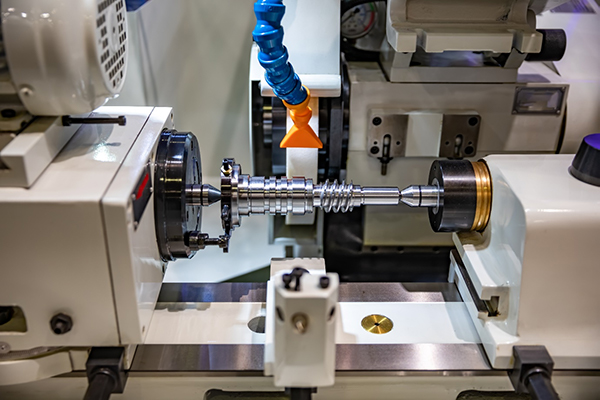


Main Parts of a CNC Lathe

A CNC lathe operation consists of several key components that work together to shape the material with precision. Understanding these main parts can help you see how the machine operates and why it’s effective for certain tasks:

Spindle: This part is responsible for rotating the workpiece. The spindle’s speed can vary depending on the material and the type of cut being made.

Chuck: The chuck acts as a clamp, holding the material securely in place during rotation. It adjusts to fit different sizes of workpieces.

Turret: The turret holds several different cutting tools, allowing the machine to switch tools automatically during the process. This makes CNC lathes efficient at performing multiple operations, like cutting, drilling, or grooving, without stopping.


Common Materials and Parts Processed on CNC Lathes

In some situations, CNC lathes can also handle plastics and even wood in addition to a range of materials, including several kinds of metals, such steel, aluminum, and brass. The machine's flexibility lets it generate numerous parts, including:

Screws: Perfectly round and uniform threads for fasteners.

Shafts: Long, tubular components used in engines or machinery.

Bushings: Rings that reduce friction in mechanical systems.

Fittings and connectors: Used in plumbing, automotive, and aerospace applications.

These parts are commonly used in industries where precision and repeatability are key, like automotive manufacturing, aerospace engineering, and even medical device production.


Key Differences Between CNC Machines and CNC Lathes

CNC lathes and CNC machines are indispensable instruments for modern manufacturing, each providing unique capabilities. Both machines use computer code to automate tasks, but the way they work, how they handle materials, and what other features they have can have a big effect on how a project turns out. To select the ideal machinery for your unique requirements and to get the greatest results, you must understand the difference between CNC machine and CNC lathe.

Aspect

CNC Machines

CNC Lathes

Type of Motion

Uses multiple axes (3, 4, or 5) to control the cutting tool’s movement. The workpiece remains stationary while the tool moves, allowing for detailed shapes.

Rotates the workpiece while the cutting tool remains stationary. Best for producing rodlike or round parts like shafts and pipes.

Materials and Shapes Processed

Can handle various materials like metals, plastics, and wood. Creates intricate shapes, flat surfaces, and deep cuts, ideal for custom parts.

Specialized for rotationally symmetrical objects such as conical, and spherical shapes. Best suited for shaping metals like steel, aluminum, and brass.

Tooling and Detail Work

Uses multi-point cutting tools such as end mills or face mills for intricate designs. Perfect for projects requiring varied cuts or multi-operation tasks.

Relies on single-point cutting tools for turning operations. Best for shaping round surfaces, but limited in internal details.

Operational Method

Commonly used for milling, drilling, and cutting. The tool moves around the stationary workpiece, creating complex designs and detailed shapes.

Uses a turning method where the workpiece rotates. Ideal for producing symmetrical parts quickly and consistently.

Performance Factors

Excellent for handling multi-step operations and intricate designs, but setup times can be longer. Suitable for varied materials and complex tasks.

Highly efficient for producing axial parts quickly. Best for high-volume production of identical, round components.

Advantages

Versatile in handling multiple machining operations and materials. Ideal for custom designs and projects requiring precision.

Best suited for mass production of parts. Fast and reliable for repetitive tasks.

Limitations

Slower for high-volume production and less suited for projects requiring  symmetrical parts.

Limited in handling non-symmetrical designs or multi-step operations that require different cutting angles.

Real-World Applications

Used in aerospace, automotive, and medical industries for creating complex engine parts, molds, and custom tools.

Primarily used in automotive and manufacturing industries for producing shafts, screws, bushings, and other rounded pieces.


Beyond the surface-level difference between CNC machine and CNC lathe, CNC machines and CNC lathe operations diverge significantly in how they integrate into various manufacturing processes, handle different tasks, and meet industry-specific needs:

CNC Machines: Adaptability and Customization

CNC machines, such as mills, excel in projects requiring multiple steps like drilling, cutting, and milling, making them ideal for industries that need a variety of tasks and detailed customization, such as aerospace. These machines can handle different materials and intricate designs, though this capability can result in slower production speeds for large volumes.

CNC Lathes: Specialization and High-Volume Output

CNC lathes, on the other hand, focus on producing round parts like shafts, screws, and fittings. They are designed for high-volume, consistent output with minimal downtime, making them valuable for industries like automotive manufacturing. While CNC lathes may not offer the same range of motion or adaptability, they are highly effective at creating uniform parts quickly and efficiently.


Choosing the Right Machine for the Task

CNC machines are perfect for tasks requiring exact, detailed cuts, particularly in sectors like healthcare. However, for projects focused on producing pieces quickly and cost-effectively, CNC lathes are the better choice. Their streamlined process reduces setup time and operational costs, making them more suitable for high-output production lines. Ultimately, selecting the right machine depends on the specific task, material, and desired outcome.


When to Use a CNC Machine vs. a CNC Lathe

Selecting the right machine for your project leads to better results and smoother operations. CNC machines and CNC lathes excel at different tasks. Knowing the difference between CNC machine and CNC lathe, and when to use each one will help you choose the best one for the job and keep your production running smoothly.


When to Use a CNC Machine

CNC machines, such as mills and routers, work well for tasks that require detailed designs and multiple steps. Below are scenarios where CNC machines are the best choice:

For Detailed Shapes

CNC machines handle jobs that need intricate and varied designs. When a project includes features like grooves, pockets, or irregular shapes, CNC machines are great at cutting materials to match those needs. Their ability to work along different paths makes them ideal for creating parts with a lot of detail.

For Multi-step Projects

When a project involves several different machining steps, such as drilling, cutting, and milling, CNC machines perform these tasks without needing to reset the material. This setup makes them ideal for creating parts that require various types of cuts or operations in a single process.

For Flat Surfaces and Deep Cuts

CNC machines, especially mills, are designed to create flat surfaces or make deep cuts. They shape materials evenly, making them perfect for projects like molds or metal parts, where precise measurements and even surfaces are needed.


When to Use a CNC Lathe

CNC lathes work best for creating round or symmetrical parts. They are the top choice when a project requires shapes centered around a rotating axis. Below are examples of when CNC lathes shine:

For Round Parts

CNC lathes excel at creating round objects like shafts, pipes, or bolts. The spinning action of the lathe produces smooth, even results, making them perfect for parts that need to be cylindrical.

For Large Production Runs

CNC lathes are the go-to machines for producing large numbers of identical parts. They are excellent at making the same piece over and over, which is useful in industries that need consistent parts quickly. The speed and accuracy of CNC lathes make them a key tool for high-volume production.

For Simple, Symmetrical Designs

If a project requires parts that are symmetrical along a central axis, such as pulleys, bushings, or nozzles, CNC lathes are the best fit. Their design focuses on producing these shapes quickly and consistently.

CNC machines and CNC lathes each have strengths that suit different tasks. CNC machines work best for detailed designs and multi-step projects, while CNC lathes are perfect for creating cylindrical parts and handling large production runs. Choosing the right machine for your project helps you save time and produce high-quality results.


Conclusion

Each machine has its strengths, and choosing between a CNC machine and a CNC lathe depends on the specific parts you need to produce. If you’re working on intricate, multi-step designs, a CNC machine is ideal, offering flexibility and precision. However, if your project involves creating uniform, rotational parts like shafts or pipes, a CNC lathe is the better choice. The right selection isn’t just about the machine itself, but how well it fits the material and the specifics you want to achieve.
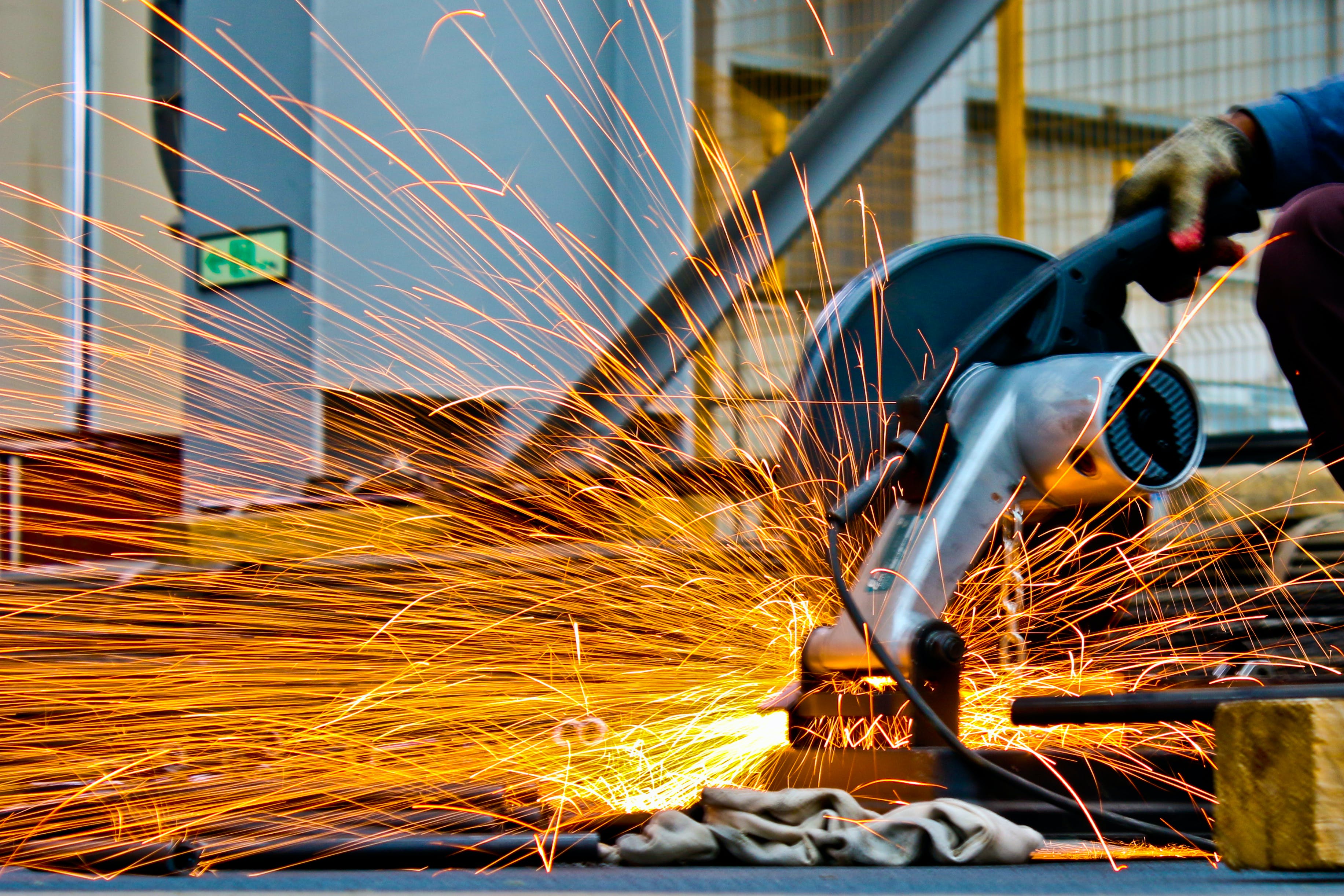
A Beginner's Guide to Using the Mobile Tracked Impact Crusher Heavy Duty BGI1040RS

Are you new to operating heavy-duty machinery like the Mobile Tracked Impact Crusher Heavy Duty BGI1040RS? Don’t worry, we’ve got you covered! In this step-by-step guide, we will walk you through everything you need to know to effectively and safely use this powerful piece of equipment. Let’s dive in!

Step 1: Familiarize Yourself with the Machine

Before getting started, take some time to thoroughly familiarize yourself with the Mobile Tracked Impact Crusher BGI1040RS. Learn about its design, key components, and safety features. Make sure to read the user manual provided by the manufacturer, as it contains crucial information for proper usage.

Step 2: Assess the Work Area

Ensure that the work area is suitable for operating the impact crusher. Check for any obstacles, debris, or hazards that may affect the machine’s performance or pose a safety risk. Clear the area as necessary and ensure that there is ample space for maneuvering the equipment.

Step 3: Prepare the Crusher for Use

Before starting the machine, inspect it for any signs of damage or wear. Ensure that all safety guards are in place and functioning correctly. Check the fuel or power source and ensure it is sufficient for the task at hand. Additionally, lubricate the machine if necessary, as per the manufacturer’s guidelines.

Step 4: Load the Crusher

When loading the Mobile Tracked Impact Crusher BGI1040RS, follow these steps:

  1. Position the machine at the desired loading point.

  2. Use appropriate lifting equipment to load the material into the feed hopper.

  3. Avoid overloading the machine to prevent damage and optimize efficiency.

Step 5: Start the Crusher

Once the machine is adequately prepared and loaded, follow these steps to start the crusher:

  1. Ensure that all personnel are at a safe distance from the machine.

  2. Activate the power source and ensure that the crusher’s controls are in the standby mode.

  3. Gradually increase the speed to achieve the desired output, as recommended by the manufacturer.

Step 6: Monitor and Adjust

While the Mobile Tracked Impact Crusher BGI1040RS is in operation, it’s crucial to continuously monitor its performance. Keep an eye on the production output, material feed, and any abnormal vibrations or sounds. If necessary, make adjustments to optimize the crusher’s efficiency and prevent any potential issues.

Step 7: Shut Down and Maintenance

When you have completed your work, follow these steps to shut down the crusher:

  1. Gradually reduce the speed and power until the machine comes to a complete stop.

  2. Ensure that all material has been discharged and that no blockages are present.

  3. Perform routine maintenance tasks as recommended by the manufacturer to prolong the machine’s lifespan.

Remember, the Mobile Tracked Impact Crusher Heavy Duty BGI1040RS is a powerful machine that should be operated with care and caution. Always prioritize safety and follow the manufacturer’s guidelines for best results.

By following these step-by-step instructions, you are well on your way to becoming proficient in using the Mobile Tracked Impact Crusher BGI1040RS. Happy crushing!

A Comparison of Vertical Machining Centers Finding the Ideal CNC Machine Manufacturer

When it comes to CNC machine manufacturers and finding the right vertical machining center (VMC) for your needs, it can be overwhelming to navigate through the numerous options available in the market. In this blog post, we will compare and contrast different VMCs and CNC machine manufacturers to help you make an informed decision.

Understanding Vertical Machining Centers (VMCs)

A vertical machining center, also known as a VMC, is a type of machine tool used for precision machining. It utilizes a vertically-oriented spindle to perform a wide range of operations, including milling, drilling, and tapping. VMCs are widely used in various industries, such as automotive, aerospace, and manufacturing, due to their high precision and versatility.

Factors to Consider when Choosing a VMC Machine

1. Precision and Accuracy

One crucial aspect to consider is the precision and accuracy of the VMC machine. Look for a manufacturer that has a solid reputation for producing machines with tight tolerances and excellent surface finishes. This ensures consistent and precise machining results, minimizing errors and improving productivity.

2. Machine Performance

Evaluate the performance of the VMC machine, such as its spindle speed, rapid traverse rate, and tool-changing time. A high-performance machine will enable faster and more efficient machining, reducing cycle times and increasing overall productivity.

3. Machine Size and Capacity

Consider the size of the VMC machine and its work envelope to ensure it can accommodate your specific production needs. Manufacturers offer VMCs in various sizes and configurations, allowing you to choose the one that suits your workpiece dimensions and production volume requirements.

4. Features and Technology

Different manufacturers offer varying features and technological advancements in their VMC machines. Look for features such as advanced control systems, tool changers, and coolant systems that enhance machine efficiency and ease of use. Additionally, consider any specific requirements or specialized functions your projects demand.

Now, let’s compare some well-known CNC machine manufacturers and their VMC machines:

  1. Haas Automation: Haas is a renowned manufacturer known for its reliable and affordable VMC machines. They offer a range of VMC models suitable for small to large-scale production, with excellent precision and user-friendly controls.

  2. DMG Mori: DMG Mori provides advanced VMC machines tailored to meet the demands of high-precision machining. Their machines integrate cutting-edge technology, ensuring superior performance and accuracy.

  3. FANUC: FANUC is recognized for its innovative VMC machines equipped with their widely trusted CNC control systems. Their machines offer high-speed milling capabilities and exceptional reliability.

  4. Mazak: Mazak delivers VMC machines known for their durability and rigidity. They offer a comprehensive range of models suitable for various applications, ensuring optimal productivity and precision.

When comparing CNC machine manufacturers and VMC machines, it’s crucial to consider factors such as price, customer support, and warranty as well. Assess your requirements and budget carefully before making a final decision.

In conclusion, choosing the right CNC machine manufacturer and VMC machine is essential for maximizing productivity and achieving precise machining results. Consider factors such as precision, performance, size, and features while exploring popular manufacturers like Haas, DMG Mori, FANUC, and Mazak. Selecting the most suitable VMC will ensure seamless operations and help you meet your production goals efficiently.

Mobile Tracked Jaw Crusher vs. Heavy Duty Jaw Crusher A Comprehensive Comparison

When it comes to crushing equipment for various applications, mobile tracked jaw crushers and heavy-duty jaw crushers are two popular choices among manufacturers. In this article, we will compare and contrast these different products, exploring their features, benefits, and applications. Whether you need a high-capacity tracked mobile jaw crusher, a model with a diesel engine, or a hybrid mobile crusher for construction and demolition purposes, this article will help you make an informed decision.

Mobile Tracked Jaw Crusher: Unparalleled Mobility and Flexibility

A mobile tracked jaw crusher offers the advantage of easy transportation and maneuverability. Equipped with tracks, this type of crusher can be quickly moved from one site to another without the need for additional equipment. It is ideal for construction projects, mining operations, and quarrying applications where mobility is crucial.

These crushers are designed with high-capacity capabilities, allowing them to efficiently process various materials. From hard rock to recycled asphalt, a mobile tracked jaw crusher can handle a wide range of feed materials. The advanced crushing technology ensures excellent reduction ratios and consistent product sizes.

Heavy Duty Jaw Crusher: Designed for Tough Applications

On the other hand, heavy-duty jaw crushers are built to handle the tough demands of industrial settings and large-scale mining operations. They are known for their robust construction and high crushing capacities. These crushers are specifically engineered to handle hard and abrasive materials with ease.

With a heavy-duty jaw crusher, you can crush even the hardest rock, concrete, and asphalt. The powerful crushing force generated by the large flywheels enables efficient reduction of the feed material. Additionally, the deep crushing chamber and optimized nip angle contribute to the superior performance of these crushers.

Applications and Customization Options

Both mobile tracked jaw crushers and heavy-duty jaw crushers find application in various industries. From aggregate production to construction and demolition waste recycling, these machines are versatile and efficient. However, they do possess some differences that make them more suitable for specific scenarios.

Mobile tracked jaw crushers are often used in situations where on-site mobility is crucial. They are commonly employed in quarrying, mining, and construction applications, enabling operators to process materials directly at the extraction site. Additionally, these crushers can be customized with a diesel engine for projects where an external power source may not be readily available.

Heavy-duty jaw crushers, on the other hand, are typically employed in stationary installations or when superior crushing power is required. With their robust design, these crushers are suitable for demanding applications such as primary crushing in large quarries or high-capacity operations.

Conclusion

In conclusion, both mobile tracked jaw crushers and heavy-duty jaw crushers have their own unique advantages and applications. Whether you prioritize mobility and flexibility or require powerful crushing capabilities, there is a crusher available to meet your specific needs.

Consider factors such as portability, feed material, and anticipated workload when deciding between these two types of crushers. Consulting with professional mobile jaw crusher manufacturers can further refine your decision-making process and ensure that you invest in the right equipment for your requirements.

Tips and Tricks for Electric Precision Cutting with Automatic Ceramic Laser Positioning Dust-Free Cutter

Are you an Automatic Tile Panel Cutter enthusiast? If so, you’ve come to the right place! In this blog post, we will share valuable tips and tricks for using the Electric Precision Cutting Automatic Ceramic Laser Positioning Dust-Free Cutter. Whether you’re a beginner or an experienced user, this guide will help you make the most of your cutting tool.

1. Familiarize Yourself with the Cutter’s Features

Before getting started, take the time to study and understand the features of your Automatic Ceramic Laser Positioning Dust-Free Cutter. Familiarize yourself with the controls, laser positioning system, and dust-free technology. This will ensure smoother and more efficient cutting operations.

2. Choose the Right Material and Thickness

Different materials and thicknesses require specific cutting techniques. Take the time to select the correct cutting parameters for each type of tile or panel you’ll be working with. This will help prevent damage to the material and improve precision.

3. Ensure Proper Alignment

The laser positioning system in your cutter is designed to assist with accurate cutting. Before starting, make sure the laser is aligned correctly, ensuring that the material is positioned accurately for cutting. This will save you time and effort and result in precise cuts.

4. Optimize Cutting Speed and Pressure

Finding the right balance between cutting speed and pressure is crucial for achieving clean and accurate cuts. Experiment with different settings to determine the optimal combination for your specific project. Remember, slower speeds and lighter pressure are generally recommended for better precision.

5. Practice Safety Measures

Safety should always be a priority when using any cutting tool. Ensure you wear appropriate personal protective equipment, such as safety goggles and gloves, to protect yourself from potential hazards. Familiarize yourself with the safety features of the cutter and follow the manufacturer’s guidelines.

6. Regularly Maintain and Clean the Cutter

To ensure optimal performance and longevity of your Automatic Ceramic Laser Positioning Dust-Free Cutter, make sure to clean it regularly. Remove any debris, dust, or residue that may accumulate during use. Refer to the user manual for specific instructions on maintenance and cleaning.

7. Learn from Experts and Online Communities

Don’t hesitate to reach out to fellow Automatic Tile Panel Cutter enthusiasts. Join forums and online communities where you can share your experiences and learn from others. This can be a valuable source of knowledge and tips to improve your cutting skills.

8. Practice, Practice, Practice

Mastering the art of precision cutting takes time and practice. Set aside dedicated time to hone your skills and experiment with different cutting techniques. The more you practice, the more confident and proficient you’ll become.

Now that you have these essential tips and tricks, it’s time to put them into action! Remember, using an Electric Precision Cutting Automatic Ceramic Laser Positioning Dust-Free Cutter can significantly enhance your cutting experience. Stay safe, take the time to learn the ins and outs of your cutter, and enjoy the precise and dust-free cutting it offers. Happy cutting!

The Evolution of Wheel Loaders Revolutionizing Construction and Earthmoving Machinery

2024-10-18

Are you familiar with wheel loaders? How much do you know about their significance in the construction industry? If you’re looking to buy a wheel loader or payloader for your construction needs, you’re in the right place. In this article, we will introduce you to the world of wheel loaders, their manufacturers, and their capabilities in the construction and earthmoving sectors.

What is a Wheel Loader?

A wheel loader, also known as a front-end loader, is a heavy equipment machine widely used in construction and earthmoving projects. It is primarily utilized for loading materials, such as gravel, sand, or debris, onto trucks or into other machinery. Wheel loaders consist of a large bucket mounted on the front, which can be raised and lowered using hydraulic arms. This versatile machine is operated by an experienced operator who ensures precision and efficiency on the job site.

Leading Wheel Loader Manufacturers

Various reputable manufacturers produce high-quality wheel loaders. Caterpillar, Komatsu, Volvo, and John Deere are just a few well-known names in the industry. These manufacturers have established a reputation for their reliable and durable wheel loaders. When buying a wheel loader, it is essential to consider the brand’s credibility, as it ensures the machine’s performance, longevity, and availability of spare parts.

The Role of Wheel Loaders in Construction

Wheel loaders play a vital role in construction projects of all sizes. From small-scale residential developments to large-scale infrastructure ventures, these machines are indispensable. They are used to transport heavy materials, clear debris, and excavate earth, significantly contributing to the efficiency and productivity of construction sites. Wheel loaders are often accompanied by skilled operators who are trained to handle the equipment safely and effectively.

Choosing the Right Wheel Loader

When purchasing a wheel loader, it is crucial to consider the specifications that match your unique requirements. Factors such as bucket capacity, engine power, lifting capacity, and overall size play a significant role in determining which machine is suitable for your needs. Analyze the planned tasks, site conditions, and logistical aspects to ensure you select the right wheel loader for the job.

Where to Buy Wheel Loaders

Now that you are interested in buying a wheel loader, where can you find one? Numerous suppliers and dealers offer both new and used wheel loaders for sale. Do thorough research to find reputable sellers who provide reliable machinery and excellent customer service. Additionally, consider factors such as warranty coverage, maintenance support, and the availability of spare parts before finalizing your purchase.

The Future of Wheel Loaders

As technology continues to advance, the construction industry is embracing new innovations, and wheel loaders are no exception. Electric wheel loaders are gaining popularity due to their environmental friendliness and reduced noise pollution. These developments present exciting opportunities for construction companies to invest in greener and more sustainable machinery, benefiting both the environment and their bottom line.

In conclusion, wheel loaders are indispensable in the construction and earthmoving sectors. With their ability to efficiently transport heavy materials and clear debris, they contribute significantly to the success of projects. When choosing a wheel loader, consider its specifications and match them to your requirements. Research reliable manufacturers and sellers to ensure a quality purchase. With advancements in technology, the future of wheel loaders looks promising, offering greener and more sustainable options for the construction industry.

How to Cut Angles on a Lathe?

2024-10-17

Cutting angles on a lathe is a very important activity in machining, regardless of the components' complexity or whether the fittings are custom made. The CNC machines (Computer Numerical Control) in modern manufacturing have changed the cutting angles process to a great extent by providing precise and efficient solutions that are much better than the traditional methods.

In this article, we are going to explain the cutting angles on a lathe using CNC technology, talk about the different tools and attachments used, and at last present the CNC products that serve this function.


Understanding CNC Lathes and Angle Cutting

Angling cuts on a lathe requires understanding first and foremost the working of CNC machines. CNC lathes follow the commands that you have recorded and are very precise when it comes to cutting complex angles because the computer controls the movement of cutting tools.


Why Use CNC for Cutting Angles on a Lathe?

A numerically controlled (CNC) machine is superior to human operators in achieving both precision and efficiency in cutting the pieces at a lathe. Contrarily to manual ways presented by human inconsistency, these machines aid in doing highly exact work by observing preset operating codes down to the smallest particulars. Preciseness is a prime demand in sectors such as aviation, automotive, and production, at which point a little error may destabilize the functionality of components.

CNC technology, on the other hand, is the other aspect of the main advantage - repetition. When the machine is programmed, it can create the same parts with very small non-standard characteristics of which the equipment is suited to mass production. On the other hand, manual cutting typically has operator errors that lead to small deviations in the parts.

Besides that,CNC lathes help save on time and manual labor, especially when they have to work on complex shapes or be able to keep up with the smallest deadlines. They are the most apt when it comes to precision, constancy, and rapidity, thus being the go-to technologies for manufacturing operations related to the cutting of angles.


Types of Angle Cutting on a Lathe

The lathe can operate with very high precision while cutting angles at different points along the workpiece perimeter. Here are the types that are most frequently seen by professionals:

External Angles

The CNC lathe is a CNC machine tool that can be used for machining different parts that have angled surfaces on the job. Sections of these mills can be easily programmed to form smooth transitions of depth by simply writing programs and, then, are directly cut along with the sharp tapers at the external surfaces. This practice is also helpful in purpose of finishing the conical blanks, as well. Conical blunt edges form very quickly for welding purposes are another advantage. The machine's high accuracy, in this form, will lead to a finish that is both very smooth and beautiful, especially when it comes to creating custom parts from fitting materials or mechanical parts, or just for visual variations.

Internal Angles

A hole where the interior is being worked on or a borehole is the most common place to cut internal angles. These cuts are important for applications such as the tapered threads or the internal tapers which in fact demand them for precision to fit together.

CNC lathes are the most efficient machines for internal angles where tight tolerances are required, even in deep bores, thus resulting in the seamless introduction of parts. Our drilling tool CNC machines are mainly used to improve productivity when we are working on limited angle spaces, as well as to make clean cuts in hard metals.

Chamfers

Chamfers are, basically, the extra beveled singes before the ends of a workpiece that give durability and a better look in general. These cuts, which can be in a few different degrees to be cut, are also used to get rid of sharp edges that possibly could hurt or damage.

Chamfers might be widespread and be present in various sizes and seat angles, and with the help of our CNC lathes, you can indeed adjust this cut to better suit the project's needs.  


Main Geometric Angles and Selection of Lathe Tools

When it comes to a CNC lathe, the tool geometry is responsible for the cutting efficiency, precision, and surface finish. The following are the main angles of geometrical quantity and the theory of cutting tool selection based on them.

● Rake Angle: A rake angle is the angle between the workpiece and the cutting face of the tool. It is used to guide the chips away from the cutting spot. A positive rake angle diminishes the cutting force, minimizes heat. Thus, it means that the surface is smoother. However, for harder materials, a lower or zero rake should be advanced, so the tools last longer. Our carbide-tipped tools are developed with different rake angles, which allow for the most effective results in various materials.

● Clearance Angle: Whenever the tool moves, the backspace wipes out the rubbing on the tool, and the frictions decrease as well as the cutting efficiency improves. The frictionless cutting and long tool life depend on the right choice of the clearance angle. A higher clearance angle is advantageous in softer materials, while in harder materials a smaller pitch is needed for tool strength. We provide the precision cut turning and boring tool materials with the different clearance angles for different operations.  

● Cutting Edge Angle: This angle of inclination directly affects chip formation and surface finish and thus directs the cutting force. In other words, a small cutting edge angle which yields a minimal load to the cutting forces may be associated with a short tool life on materials, particularly with very hard materials. The best option is the one that fits the material your machinist is working with and a specific surface finish.

Choosing the right tool with the geometric angles to carry out the cutting operation, you are also able to enhance cut conditions and gain dupe results in angle cutting for both external and internal angles.


Setting Up the CNC Lathe for Angle Cutting

The setup is the most important action to the cutting of angles on a lathe. Here, we provide step-by-step instructions as follows:

● Choosing the Right Tool: The chosen tool will be the one that best suits the material and the type of angle being cut. Our CNC-compatible tooling kits contain the complete set of a set of turning and boring tools that solve complex angles.

● Programming the CNC Lathe: It is done with the programming that the machine performs. Technicians can feed the G-code, which is either the exact angle and size or by using a user-friendly CAD/CAM interface. CNC machines are designed for both manual G-code programming and pre-programmed CAD designs, which makes the whole installation process very smooth.

● Workholding: Securing the material to machine the part is critical for a precise cut. For example, a project's needs may change, and we will work on the material differently using a collet, faceplate, or chuck. Our CNC lathes come complete with ultra-precision work holding systems to minimize workpiece movement during cutting.


Cutting Angles on a CNC Lathe: The Process

Once your CNC lathe has been set up, you can start the cutting process. It shows a step-by-step manual as follows:

1. Workpiece Loading: Make sure you fix the workpiece into the lathe's chuck or collet.

2. Initiate the Program: With the set programmed data, enable the cuts. The CNC system will automatically place the tool at the right angle, speed, and depth.

3. Perform the Cut: Although CNC machines make most of the work automatic, it's very important to watch the cutting process to be sure that the machine functions correctly. Our machines provide virtual real-time monitoring that lets operators make the necessary adjustments when the cut is in progress.

4. Complete Post-Processing: After the cut, a part might require some slight sanding or polishing, depending on what material it is made of. However, our CNC machines are built in a way that they minimize the post-processing by giving excellent surface finishes directly from the machine.

All our CNC lathe solutions have been designed optimally for both single-pass angle cutting and more complex multi-step processes, hence, you can be guaranteed of the best results each time.


Common Lathe CNC Cutting Tools for using on Angles

Cutting angles on a CNC lathe requires various specialized tools to ensure accuracy and efficiency. Below are some of the essential tools for this task:

● Turning Tools: Turning tools are primarily configured to cut external angles and to produce beveled surfaces. Shaping tools are necessary for both tapering or shaping the outside diameter of a workpiece. We have a large inventory of carbide-tipped turning tools, which are well known for their resistance to wear and tear as well as their high-speed performance precision. These tools guarantee smooth and precise cuts, which makes them the best option for external tapers or bevels.

● Boring Bars: For internal angles, boring bars are applied to reach inside a workpiece and cut tapers or angles. Our boring bars come in different dimensions and are suitable for heavy-duty applications where they can cut the hardest materials without any problem. They are optimal for the creation of internal tapers or bore angling with great precision, especially in hard-to-machine materials.

● Chamfering Tools: Chamfer tools come into play when making edges that have a bevel on a workpiece. Besides, such tools are the ones that are programmable to CNC lathes for chamfering edges automatically during the cutting cycle. Chamfering has the dual advantage of enhancing the visual appeal and strengthening the components, especially when the sharp edges have to be removed or softened.


What Is The Specific Effect Of The Lathe Tool Angle On The Cutting Force And Cutting Surface Quality?

The cutting tool's rake angle has a great effect on both the force and the surface finish quality of cutting action. Here are the ways in which different angles influence these outcomes:

● Cutting Force:The rake angle is the main factor influencing the cutting force intensity. A positive rake angle on the other hand, reduces the force by the provision of the machine with thinner and consequently, more manageable chips. This way the operation becomes smoother, wear on the tool is less, and it consumes less power. Meanwhile, a negative slope amplifies the cutting force, which is the cut & squats effect on tougher materials but which also creates more heat and stresses the cutting tool. By choosing the proper rake angle according to the hardness of the material, the best machining may be obtained with less force required.

● Surface Quality: The geometry of the tool also has a direct influence on the quality of the surface of the workpiece. A tool with a large rake angle generally yields a more polished surface because of the fact that it produces smaller chips and therefore less friction while it is cutting. Conversely, tools having small rake angles or high cutting edge angles might scratch the surface due to more chip resistance and cutting force. The clearance angle, in addition, keeps the same tool clear from actually contacting the surface. This would cause a finish that lacks durability.


Common Malfunctions when Angle Cutting: Diagnosis and Fix

Though CNC lathes are problematic, they are nevertheless very efficient and accurate for angle cutting. Here are some problems you need to know when you are working with CNC lathes :

● Tool Wear: It will create an inaccuracy to cut when the cutter is blunt. On the opposite side of the spectrum, our CNC machines have incorporated tool monitoring systems that fairly promptly alert the operator when something is wrong.

● Inaccurate Angle Cuts: This is either due to mistakes in the program or the movement of the equipment while cutting the material. The CNC system we use has invented precision calibration functions enabling it to be a whole entity with the specific program that is telling it to give the angle you want.

● Surface Finish: In case of a rough surface on angle it can be partly due to very high travel velocities and very low tool settings. Done by carefully adjusting the travel and feed rates the CNC lathe is used to mold smooth and final surfaces.


Optimizing Angle Cutting: Best Practices

A CNC lathe is a versatile tool for cutting angles, and although it requires the correct tools, it also needs the right approach to make the process precise, efficient, and of a high standard. Here are some best practices to help optimize your angle-cutting operations:

● Use the Correct Tools: Selecting the appropriate cutting tool is the main step for achieving precise angles as well as being clean. For external angles, the use of turning tools that are of high quality is recommended, while for internal angles boring bars that are suited both for the material and the type of cut should be used. Chamfering tools are the tools for the beveled edges. Every tool is made for specific tasks, so be sure to pair the right tool with the material and the angle specifications. The toolkits we have that are CNC-compatible include a vast collection of carbide-tipped turning tools, boring bars, and chamfering tools, all optimized for angle cutting.

● Fine-Tune CNC Programming: Correct programming is the key to the accurate cutting of the angles. Make sure that G-codes are precisely entered to define the angle, feed rate, speed, and depth of the cut. Slight mistakes in the programming can make the machine cut the wrong way, thus, spending much time and material. Our CNC machines are supplied with state-of-the-art programming interfaces which make it easy to set the correct parameters, and thus you get the precise angle you need.

● Maintain Proper Workholding: Proper workholding is the key to regularly maintaining the cutting operation's precise quality of a workpiece. Whether you're using a chuck, collet, or faceplate, ensure that the workpiece is firmly held to prevent any movement during operation. The workpiece can be any object in the vicinity and the workplace can be a shifted one that is inclined or tilted causing inaccurate angles and surface finish problems.

● Monitor Tool Wear: Monitor the wear of tools by inspecting them frequently. Cutting tools that are not sharp enough or are damaged can be responsible for poor cutting quality, roughness of the surface, and incorrect positioning. To guarantee smooth processing, our CNC machines are equipped with tool wear monitoring systems that warn operators when it's time to replace the tools.

By implementing these best practices, you can make the CNC angle-cutting process more efficient, waste-free, and have more precision.


Conclusion

In conclusion, The implementation of CNC technology in lathe work for cutting angles is now more than ever more accurate, efficient, and consistent. By utilizing our proven CNC lathes and toolkits, machinists can perform precise angle cuts on any material ranging from soft plastic to hardened metals. If you are a novice in CNC machining or want to upgrade your existing setup, our CNC products are suitable for angle-cutting tasks.


The Smart Kitchen Display Revolutionizing Home Cooking

The integration of technology in our daily lives has reached new heights, and our kitchens are no exception. The emergence of smart kitchen displays has transformed the way we cook and prepare meals at home. This innovative kitchen tool combines the functionalities of a kitchen display industrial control system with the convenience and versatility of an Android all-in-one touch screen monitor computer.

Gone are the days of flipping through recipe books or struggling to follow cooking instructions on a tiny smartphone screen. With a smart kitchen display, all the information you need is at your fingertips. The large and vibrant touch screen allows you to browse through a vast repository of recipes, complete with step-by-step instructions, photos, and even videos.

Imagine preparing a complex dish and having the ability to adjust cooking times, temperatures, and other variables directly from a single device. The kitchen display industrial control component of this system ensures precise control over your appliances, making cooking more manageable and efficient. From setting oven temperatures to managing multiple timers, this technology simplifies the cooking process and ensures optimal results every time.

But the smart kitchen display is not just a cooking assistant. It’s also a multimedia hub that can entertain and inform you while you’re in the kitchen. The built-in Android all-in-one computer allows you to stream your favorite cooking shows and videos, listen to music, or catch up on the latest news and weather updates - all while keeping your hands free to prepare your culinary masterpiece.

The touch screen monitor computer offers a user-friendly interface that is intuitive and easy to navigate. You can customize the display to show your preferred cooking apps, kitchen timers, and even incorporate smart home automation controls for lighting and temperature.

In addition, the sleek design of the smart kitchen display makes it a stylish and modern addition to any kitchen. Its slim profile and seamless integration with other kitchen appliances make it aesthetically pleasing and functional.

The smart kitchen display is not just a technological novelty; it is revolutionizing home cooking. With its combination of a kitchen display industrial control system, Android all-in-one computer, and touch screen monitor, it elevates cooking to a whole new level. Say goodbye to complicated recipe books and tedious cooking processes, and welcome the future of home cooking with open arms.

Tags