As a product editor, I understand the importance of a well-functioning livewell pump and baitwell pumps in maintaining the vitality of aquatic life. Livewell pumps play a crucial role in providing a continuous flow of oxygenated water, ensuring the well-being of bait and fish in your boat or fishing vessel.
Efficient Livewell Pump Systems
Livewell pumps are designed to circulate water throughout the livewell or baitwell, keeping it fresh and aerated. This is vital for maintaining the health of live bait and sustaining fish in catch-and-release situations. These pumps are reliable and built to withstand the robust demands of marine environments, ensuring longevity and high performance.
Benefits of Quality Livewell Pumps
Optimal Water Circulation: Livewell pumps provide a steady flow of fresh water, preventing stagnation and maintaining oxygen levels for active bait and fish.
Adjustable Flow Rates: Many livewell pumps offer adjustable flow rates, allowing you to regulate water flow based on the size and quantity of the aquatic life you carry.
Quiet Operation: Modern livewell pumps are engineered to operate silently, reducing noise disruptions and ensuring a tranquil onboard experience.
Energy Efficiency: Livewell pumps have become increasingly energy-efficient, minimizing power consumption while maintaining effective water circulation.
Easy Installation and Maintenance: Livewell pumps are designed for ease of installation and maintenance, ensuring hassle-free usage and minimal downtime.
Selecting the Right Livewell Pump
When choosing a livewell pump for your boat or fishing vessel, consider the following factors:
Flow Rate: Ensure the pump’s flow rate meets the requirements of your baitwell or livewell size.
Durability and Quality: Look for pumps made of corrosion-resistant materials, as they will endure the harsh marine environment and withstand long-term use.
Power Efficiency: Energy-efficient pumps minimize power consumption, preserving battery life during extended fishing trips.
Additional Features: Some pumps come with built-in automatic switch systems, ensuring water circulation without manual intervention.
Noise Level: Opt for models that operate quietly to provide a serene environment onboard.
Maintaining your Livewell Pump
To prolong the lifespan of your livewell pump, adhere to these maintenance practices:
Regular Cleaning: Clean the pump, strainer, and plumbing system to remove any debris or blockages that may impede the pump’s performance.
Inspect for Wear and Tear: Routinely inspect the pump for signs of wear or damage, such as frayed wires or cracked housing. Replace any faulty components promptly.
Winterizing: Before freezing temperatures arrive, ensure your livewell pump is properly winterized by draining all water and protecting it from potential freezing.
By selecting a quality livewell pump and maintaining it meticulously, you’ll ensure the smooth operation of your baitwell system, guaranteeing optimal conditions for your bait and fish. Invest in a reliable livewell pump and prioritize the welfare of aquatic life during your fishing adventures.
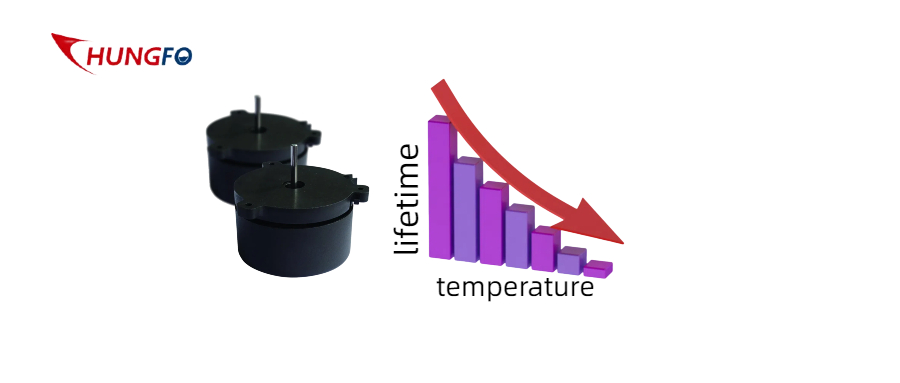
Brushless fans are popular in the market due to their high efficiency, long life and low maintenance costs. Compared with the traditional brush fan, the brushless fan does not have the friction of the brush and the commutator, so the service life of the fan is greatly extended. Brushless exhaust fans produced by Chungfo Electronics perform well in a variety of applications, especially for heat dissipation and exhaust in high temperature environments.
How long is the service life of the brushless fan? Generally speaking, the life of brushless fans can reach more than 50,000 hours, and even longer use time can be achieved under certain conditions. This is mainly due to its frictionless design and efficient heat dissipation.
When choosing a brushless exhaust fan, price and life are important factors to consider. For users who need small exhaust fans, the Chungfo Electronics’s small exhaust fan price is not only reasonable, but also has significant advantages in performance and durability. In addition, we also provide high temp exhaust fan Wholesale to meet a wide range of industrial and commercial needs.
In conclusion, the long life of brushless fans makes them ideal for many applications, especially in environments where long-term stable operation is required. Contact Chungfo Electronics to learn more about brushless fans and other cooling solutions.
As a shoe enthusiast, you know that your footwear plays an essential role in your overall style and comfort. But have you ever thought about the importance of keeping your shoes clean and fresh? Germs, bacteria, and unpleasant odors can accumulate inside your shoes over time, leading to discomfort and even potential health issues. That’s where a shoe dryer for disinfection and sterilization comes in handy. In this article, we will share some valuable tips and tricks to help you make the most of your shoe dryer and keep your beloved shoes in pristine condition.
1. Choose the Right Shoe Dryer
There are various types of shoe dryers available, ranging from simple air dryers to more advanced models equipped with ultraviolet (UV) light technology. Consider your specific needs and budget when selecting a shoe dryer. Look for features like adjustable temperature settings and timer functions, which allow you to customize the drying process according to your shoes’ material and drying time requirements.
2. Properly Clean Your Shoes Before Drying
Before placing your shoes in the dryer, make sure to clean off any dirt or debris. Use a soft brush or cloth to remove excess dirt, and for tougher stains, use a gentle cleaning solution recommended for your shoe type. By starting with clean shoes, you’ll maximize the effectiveness of the drying process and prevent any lingering odors.
3. Insert the Shoe Dryer Correctly
When inserting your shoes into the dryer, ensure that they are properly positioned. Place the dryer in a level, stable area and follow the manufacturer’s instructions for the correct shoe placement. This will ensure even airflow and efficient drying.
4. Utilize Disinfection and Sterilization Functions
Many shoe dryers offer additional functions, such as disinfection and sterilization. These functions can effectively eliminate the bacteria and fungi that cause foot odor and infections. Take advantage of these features to keep your shoes not only dry but also hygienically clean.
5. Consider Using Deodorizers
To further combat odors, consider using deodorizing products specifically designed for shoes. These can be inserted into your shoes before placing them in the dryer, ensuring a fresh and pleasant smell every time you put them on.
6. Regular Maintenance and Cleaning
To maintain the longevity and effectiveness of your shoe dryer, it’s essential to perform regular maintenance. Clean the dryer’s vents and filters to prevent dust accumulation, and check for any signs of damage or wear. By keeping your shoe dryer in optimal condition, you’ll enjoy its benefits for years to come.
7. Follow Safety Precautions
Like any electrical appliance, it’s important to follow safety precautions when using a shoe dryer. Read the user manual carefully and never leave the dryer unattended. Avoid placing the dryer near flammable materials, and always unplug it when not in use.
In conclusion, a shoe dryer for disinfection and sterilization is a valuable tool for shoe enthusiasts who want to maintain the cleanliness and freshness of their footwear. By following these tips and incorporating a shoe dryer into your shoe care routine, you can say goodbye to foul odors and harmful bacteria. Keep your shoes clean, fresh, and ready to step out in style!
When it comes to heavy-duty construction and material handling tasks, having the right equipment can make all the difference. One such essential piece of machinery is the 5-ton wheel loader. With its remarkable capabilities and versatility, it has become a go-to solution for various industries.
Unleash Power with the 5 Ton High-Power Wheel Loader
If you’re seeking a wheel loader that can handle demanding jobs with ease, look no further than the 5-ton high-power wheel loader. Its robust design and superior engine performance allow it to tackle even the toughest terrains and heavy loads. With a large bucket capacity and exceptional lifting strength, this machine proves to be a reliable workhorse.
Double Boom Wheel Loader: Doubling Efficiency and Flexibility
For those requiring enhanced efficiency and flexibility, the double boom wheel loader is an ideal choice. Its innovative dual-arm design provides increased reach and lifting capabilities. This means it can handle a wider range of tasks, including loading and unloading materials from trucks, stacking materials, and working in confined spaces.
Large Tonnage Wheel Loaders: Moving Mountains with Ease
When faced with large-scale projects, large tonnage wheel loaders are the true giants of the construction industry. With their massive size and high payload capacity, these machines can effortlessly move mountains of material. From mining operations to large-scale construction sites, they guarantee efficient operations and increased productivity.
Large Wheel Loaders: The 5-Ton Powerhouses
If you’re specifically looking for a 5-ton wheel loader that delivers maximum power, large wheel loaders are what you need. With their exceptional lifting capacity and impressive breakout force, they can handle heavy loads with ease. Whether you’re working in construction, agriculture, or mining, these 5-ton powerhouses will get the job done efficiently.
Experience Performance with a Wheel Loader Featuring Weichai Engine
Efficiency and reliability go hand in hand with a wheel loader equipped with a Weichai engine. Renowned for their exceptional performance, Weichai engines offer optimal power, robustness, and fuel efficiency. When combined with the functionality of a wheel loader, you have a winning combination that ensures seamless operations and cost-effectiveness.
Large Wheel Loaders for Sale: Find the Perfect Fit for Your Needs
If you’re in the market for a large wheel loader, rest assured that numerous options are available for purchase. From 5-ton powerhouses to high-power models, there’s a wheel loader that fits your specific requirements. Explore the market and consult with experts to find the perfect match for your projects.
In conclusion, 5-ton wheel loaders and their various models offer an array of benefits for industries that require heavy-duty machinery. From their incredible power and lifting capacity to enhanced efficiency and flexibility, these machines are essential for tackling demanding tasks. Consider investing in a wheel loader that suits your needs, and witness the transformative impact it can have on your business operations.
Plastic waste has become a significant environmental concern in recent years. To address this critical issue, industries and businesses are actively seeking efficient solutions for plastic waste management. One such solution gaining traction is the plastic waste sheet crushing machine. In this blog post, we will explore the functionality and benefits of this innovative plastic crusher.
Introducing the Plastic Waste Sheet Crushing Machine
The plastic waste sheet crushing machine, also known as a plastic waste sheet crusher or plastic crusher, is a highly efficient and versatile equipment designed to crush and granulate various types of plastic waste. Its purpose is to compact large plastic waste sheets, such as those used in packaging or manufacturing processes, into smaller pieces for easier transportation, recycling, or further processing.
Streamlining Waste Management Processes
Enhanced Waste Reduction: The plastic waste sheet crushing machine plays a crucial role in waste reduction efforts. By reducing the size of plastic waste sheets, it allows for more efficient storage and transportation, leading to reduced landfill usage and overall waste volume.
Optimized Recycling: Compact plastic waste sheets are easier to recycle, resulting in improved recycling rates. The crushed plastic can be melted down and used as raw material for the production of new products, reducing the demand for virgin plastic and minimizing environmental impact.
Minimized Labor and Costs: With its automated crushing process, this machine significantly reduces the manual labor required for waste management. This not only saves time and effort but also reduces costs associated with waste disposal.
Versatility and Adaptability: The plastic waste sheet crushing machine can handle various types of plastic waste, including PVC, PET, HDPE, and more. Its adjustable settings allow for precise control over the output size and crushing speed, ensuring optimal results for a wide range of waste sheet materials.
Space Optimization: Occupying minimal floor space, the compact design of the plastic waste sheet crushing machine is ideal for businesses with limited storage capacities. It can easily be integrated into existing waste management systems, enhancing overall operational efficiency.
Muted Plastic Crusher: A Silent Yet Effective Solution
For businesses operating in noise-sensitive environments, a muted plastic crusher proves to be a practical choice. This innovative crusher is equipped with noise reduction features that minimize operational noise levels. Its silent operations allow for smooth functioning without causing disruptions to the surrounding environment.
Conclusion
As plastic waste continues to pose a significant threat to our planet, the need for effective waste management solutions becomes paramount. The plastic waste sheet crushing machine offers a comprehensive and efficient approach to tackling plastic waste. By streamlining waste management processes, optimizing recycling efforts, and providing a versatile and adaptable solution, this machine plays a vital role in reducing environmental impact. Businesses and industries can now take proactive steps towards sustainable waste management by incorporating the plastic waste sheet crushing machine into their operations.
There’s no denying the importance of search engine optimization (SEO) in today’s digital landscape. As a website owner or marketer, you understand that optimizing your content for search engines can mean the difference between attracting traffic and getting lost in the vast online sea. One crucial element of SEO that often gets overlooked is the strategic use of tags. In this blog post, we’ll delve into the world of tags and reveal how to harness their potential to take your SEO efforts to new heights.
Understanding the World of Tags
Tags play a significant role in organizing and categorizing content on the web. They act as markers, providing search engines and users with valuable insights about the meaning and relevance of your content. By incorporating the right tags, you can enhance your website’s visibility and improve your chances of ranking higher in search engine results.
The Power of Accurate Tagging
Accurate tagging enables search engines to understand the context and purpose of your content. With the keyword “atag1 testtest,testtest tag2,dtag3 test,btag4,111.2tag5,testtesttest” in mind, it’s crucial to strategically employ relevant tags that align with your content’s specific focus. Let’s break it down:
atag1: This tag signifies the primary theme of your content. Ensure it accurately reflects the core topic of your article or page.
testtest, tag2: These tags provide additional context and related keywords. Use them to emphasize the specific aspects of your content that users are likely to search for.
dtag3, test: These tags highlight broader categories or topics relevant to your content. They allow search engines to connect your content to a wider range of related searches.
btag4, 111.2tag5: These tags can be used to denote specific subtopics or subcategories within your content. They help provide more specific details to search engines.
testtesttest: This tag reinforces the main keyword while allowing for variations. Including variations of your primary keyword can increase the chances of your content being discovered by different search queries.
Best Practices for Tag Optimization
To make the most out of tags, follow these optimization practices:
Research relevant tags: Use keyword research tools to identify popular and relevant tags related to your content’s topic. Incorporate a mix of specific and general tags to broaden your reach.
Focus on quality, not quantity: Avoid excessive tag usage, as search engines may interpret it as spam. A few well-chosen tags are more effective than using too many irrelevant ones.
Place tags strategically: Incorporate tags within your page’s meta tags, title tags, and headers. This helps search engines quickly identify the key topics of your content.
Keep tags updated: As your content evolves, ensure that your tags reflect any changes. Review and update tags periodically to maintain relevance.
Monitor and analyze: Leverage SEO analytics tools to track the performance of your tagged content. Analyze the data to refine your tagging strategy and identify areas for improvement.
Remember, the power of effective tags lies in their ability to communicate your content’s purpose and relevance to search engines. By understanding how to optimize your tags, you can give your SEO strategy a significant boost.
So, go ahead and enhance your content with well-crafted tags. Unlock the potential to attract more visitors, increase organic traffic, and improve your search engine rankings. With every tag, you’re one step closer to reaching your target audience and achieving online success.
Scuba diving is an exhilarating and awe-inspiring experience that allows us to explore the mysteries of the underwater world. To ensure a safe and enjoyable dive, it is crucial to have reliable and high-quality equipment. One of the most essential pieces of equipment for scuba diving is a breathing air compressor, commonly known as a dive tank air compressor. In recent years, the advancement of technology has led to the development of electric compressors specifically designed for scuba diving, offering a range of benefits for divers.
A scuba diving electric compressor is a compact and portable device that provides divers with a continuous supply of fresh and breathable air. Unlike traditional gas-powered compressors, electric compressors offer a quieter and more environmentally friendly alternative. They eliminate the need for gasoline or diesel fuel, reducing both noise pollution and harmful emissions that can damage the delicate marine ecosystem.
The diving air compressor with a hose is an integral part of the scuba diving setup and allows divers to fill their tanks with compressed air conveniently. The compressor unit, combined with a high-pressure hose, enables divers to refill their tanks directly from the compressor, eliminating the need to visit a dive shop or refilling station. This convenience allows divers to have more flexibility and freedom in planning their dives, as they can easily top up their tanks whenever necessary.
When it comes to scuba diving, safety is paramount. A diving compressor with a maximum pressure of 300bar (4500psi) ensures that each breath of compressed air you take underwater is reliable and meets industry standards. This level of pressure allows divers to explore greater depths and stay underwater for extended periods, enhancing the overall diving experience.
Furthermore, an electric air compressor designed specifically for scuba diving is equipped with advanced safety features. These may include automatic shut-off mechanisms to prevent the unit from overheating or becoming over-pressurized. Some models even have built-in filtration systems that purify the air, removing potentially harmful contaminants and ensuring the highest quality breathing air for divers.
In conclusion, the scuba diving electric compressor revolutionizes the way divers access compressed air. Its compactness, portability, and ease of use make it an excellent choice for both recreational and professional divers. By opting for an electric compressor, divers contribute to preserving the underwater environment and enjoy a quieter and more efficient diving experience. So, if you’re an avid scuba diver looking to improve your diving gear, consider investing in a scuba diving electric compressor – a powerful and convenient tool that will enhance your underwater adventures.
Do you crave the scrumptious steamed pork buns or fluffy burger buns that delight your taste buds? If so, you can thank the incredible innovation of the Food Plant Baozi Making Machine. This powerful and versatile machine has changed the game for food factories by automating the bun-making process. From Chinese steamed pork buns to burger buns and bread buns, this automatic bun-making machine can do it all, making it an essential tool for any food factory.
Streamlining Production with Precision
Gone are the days of labor-intensive manual bun making processes. The Food Plant Baozi Making Machine delivers efficiency and consistency to food factories, streamlining the production process. With its advanced technology and precision engineering, this machine can produce hundreds of buns per hour, ensuring a high output that meets market demands.
Versatility at its Finest
Whether you’re a Chinese restaurant, a fast-food joint, or a bakery, the Food Plant Baozi Making Machine caters to your every bun-making need. From traditional Chinese steamed pork buns to burger buns and bread buns, this machine can handle various doughs and shapes, providing you with a wide range of bun options. It ensures uniformity in size and shape, creating a professional and enticing presentation for your customers.
Consistent Quality, Every Time
Quality is crucial when it comes to food production, and the Food Plant Baozi Making Machine delivers consistency in taste, texture, and appearance. The machine’s precision ensures that each bun is perfectly formed, steamed to perfection, and cooked evenly. The result? Delightful buns with a soft and fluffy texture that customers crave, every single time.
Easy to Use and Maintain
Operating the Food Plant Baozi Making Machine is a breeze. Its user-friendly interface allows even novice operators to create delicious buns effortlessly. The machine’s automated processes reduce the need for manual intervention, saving time and effort. Additionally, its easy-to-clean design and high-quality stainless steel construction make maintenance a stress-free task, ensuring long-term durability.
Boosting Efficiency and Profitability
Investing in a Food Plant Baozi Making Machine is a game-changer for food factories. By automating the bun-making process, you not only increase production but also save on labor costs. The machine’s efficiency and consistent output allow you to meet customer demand promptly, while also reducing the chances of errors or inconsistencies. This translates to increased profitability and a competitive edge in the market.
Embracing Innovation for Success
In the fast-paced food industry, innovation is crucial for staying ahead of the competition. The Food Plant Baozi Making Machine offers just that. By integrating this advanced bun-making machine into your food factory, you demonstrate a commitment to delivering high-quality, consistent, and delicious buns, gaining customer trust and loyalty in return.
Conclusion
The Food Plant Baozi Making Machine is a revolution in the world of buns. From traditional Chinese steamed pork buns to modern burger buns and bread buns, this automatic bun-making machine delivers precision, consistency, and efficiency. By investing in this versatile machine, food factories can streamline their operations, increase profitability, and meet the ever-growing demand for delectable buns. Embrace the power of innovation, and let the Food Plant Baozi Making Machine take your bun production to new heights.
If you’re new to the world of CNC machining, specifically the use of Moving Column Gantry CNC Machining Centers, this step-by-step guide is here to help you get started. These advanced machines offer precise and efficient cutting, milling, and drilling capabilities, making them popular in industries such as aerospace, automotive, and manufacturing. So let’s dive in and explore how you can harness the power of the YSMD-10042 Moving Column Gantry CNC Machining Center.
Step 1: Familiarize Yourself with the Machine
Before getting started, gain a basic understanding of the machine’s anatomy. Familiarize yourself with its components, such as the gantry bridge, spindle head, worktable, and control panel. Take note of the different knobs, buttons, and switches, as you will be using them throughout the machining process.
Step 2: Prepare Your Workspace
Ensure you have a clean and organized workspace to operate the machine effectively. Keep any loose materials or objects away from the machine to avoid interference with the machining process. Make sure you have the necessary tools, safety equipment, and materials required for your specific machining project.
Step 3: Power Up the Machine
Connect the machine to a power source and turn it on. Refer to the manufacturer’s instructions for any specific startup procedures. Once the machine is powered up, you’ll typically see a control panel or interface.
Step 4: Set Up the Workpiece
Identify the workpiece you want to machine and securely position it on the worktable. Use clamps or other appropriate fixtures to hold the workpiece in place. Ensure it is aligned correctly and securely fastened, preventing any movement during the machining process.
Step 5: Program the CNC Machine
Now it’s time to program the machine to execute the desired cutting, milling, or drilling operations. You can either write your own program using CNC programming languages or use software that generates the program for you. Input the necessary parameters such as tool dimensions, cutting speeds, and depths of cut.
Step 6: Test Run and Fine-tune
Before performing the actual machining, it’s essential to conduct a test run. Use a scrap piece of material similar to the workpiece and run the program. Observe the machine’s movements, spindle speed, and tool engagement to ensure everything operates smoothly. Make any necessary adjustments to the program or machine settings.
Step 7: Begin the Machining Process
Once you are confident with the program and machine setup, it’s time to start the actual machining process. Double-check that all safety precautions are in place, and then initiate the program. Observe the machine’s progress and make sure it operates as intended. If any issues arise, stop the program immediately and investigate before proceeding.
Step 8: Monitor and Maintain
Throughout the machining process, monitor the machine’s performance, paying attention to any unusual sounds, vibrations, or unexpected behavior. Regularly check and maintain the cutting tool, ensuring it remains sharp and properly lubricated. Keep the workspace clean and free from chips or debris.
Step 9: Complete the Machining Process
Once the machining process is complete, carefully remove the workpiece from the worktable. Inspect the finished product for any defects or imperfections. If necessary, perform post-processing operations such as deburring or finishing to achieve the desired result.
Step 10: Secure and Shut Down
After completing your machining tasks, secure the machine and shut it down following the manufacturer’s instructions. Clean the machine and workspace, storing any tools or materials appropriately.
Congratulations! You’ve successfully used the Moving Column Gantry CNC Machining Centers YSMD-10042 to create your desired workpiece. With practice and experience, you’ll become more proficient in utilizing these powerful machines. Always prioritize safety and continuous learning to maximize your CNC machining capabilities.
CNC milling, or Computer Numerical Control milling, is a machining process that uses computerized controls to precisely cut and shape materials into complex parts. This technology is essential in modern manufacturing due to its ability to produce intricate and accurate components efficiently, widely utilized in industries like aerospace, automotive, and medical.
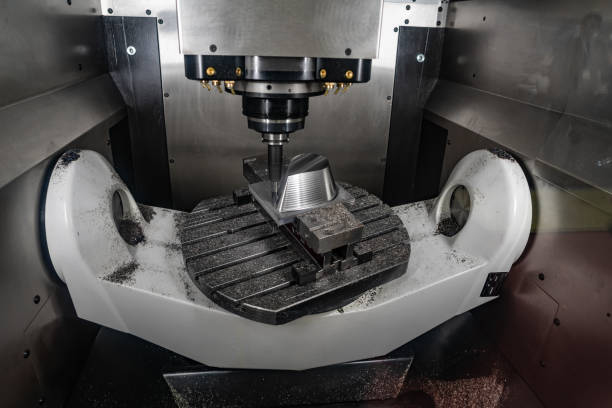
Milling curved surfaces is more challenging than flat or straight-edge milling. Curved surfaces require special techniques and careful planning to achieve the desired contours and finishes. These surfaces are commonly found in advanced components such as turbine blades, automotive parts, and medical implants.
This article focuses on the specific challenges and techniques of CNC milling curved surfaces. It aims to provide practical insights and detailed information to help you master the milling of curved surfaces, enhancing your ability to produce precise and high-quality parts.
Basics Of CNC Milling
What Is CNC Milling?
CNC milling, or Computer Numerical Control milling, is a machining process where computerized controls direct cutting tools to shape materials into precise components. This process evolved from manual milling, where machinists operated milling machines by hand. With the advent of CNC technology in the 1960s and 1970s, milling machines became automated, significantly increasing the precision, efficiency, and complexity of parts that could be produced.
Key components of CNC milling machines include the CNC controller, which interprets the digital instructions; the spindle, which holds and rotates the cutting tool; and the worktable, where the material is secured. Additional components such as cooling systems, tool changers, and enclosures enhance the machine's functionality and performance.
Types of CNC Milling Machines
There are several types of CNC milling machines, each suited for different applications:
● Vertical Milling Machines: These machines have a vertically oriented spindle, which moves up and down. They are ideal for flat surfaces and simple geometries.
● Horizontal Milling Machines: These machines have a horizontally oriented spindle, which allows for the milling of heavier and more complex workpieces. They are often used for cutting slots and grooves.
● Multi-axis CNC Machines: These advanced machines can move the spindle and workpiece in multiple axes (typically 3 to 5 axes), allowing for the creation of intricate and complex parts with curved surfaces.
Fundamental Milling Operations
Several fundamental milling operations are essential for various applications:
● Face Milling: Involves cutting a flat surface perpendicular to the spindle axis. It's used to create a smooth, flat finish on the top of the workpiece.
● Peripheral Milling: Also known as slab milling, this operation cuts along the edge of the workpiece with the axis of the cutting tool parallel to the surface being machined. It is used for producing long, straight cuts and contours.
● End Milling: Uses an end mill cutter to produce slots, pockets, and intricate contours. The cutting tool rotates on an axis perpendicular to the workpiece surface, allowing for precise cutting of complex shapes.
Curved Surfaces In Milling
Types Of Curved Surfaces
In CNC milling, curved surfaces can be categorized into three main types:
● Concave Surfaces: These are inward-curving surfaces resembling a bowl or a hollow shape. Milling concave surfaces requires precise control to ensure smooth and accurate contours, often used in components like molds and turbine blades.
● Convex Surfaces: These are outward-curving surfaces similar to a dome or a bump. Achieving a consistent finish on convex surfaces can be challenging, but they are common in parts such as gear teeth and certain automotive components.
● Complex 3D Surfaces: These surfaces combine multiple curves and angles, creating intricate geometries. Examples include sculpted parts in aerospace and automotive industries, where both aesthetic and functional precision are crucial.
Common Applications of Curved Surface Milling
Curved surface milling is essential in various industries, contributing to the production of high-precision and high-performance components:
● Aerospace Components: Curved surfaces are prevalent in aerospace for parts like turbine blades, airfoils, and fuselage components. Precision milling ensures these parts meet strict aerodynamic and performance standards.
● Automotive Parts: From body panels to engine components, the automotive industry relies on curved surface milling to produce parts that are both functional and aesthetically pleasing.
● Medical Implants: Custom implants, such as hip joints and dental implants, often feature complex curved surfaces that must fit precisely within the human body. CNC milling ensures the necessary accuracy and biocompatibility.
● Consumer Electronics: The sleek and ergonomic designs of modern electronic devices, like smartphones and laptops, often incorporate curved surfaces. Milling allows for the production of these smooth, appealing contours.
Challenges in Milling Curved Surfaces
Milling curved surfaces presents several challenges that require careful consideration and advanced techniques:
● Toolpath Generation: Creating an effective toolpath for milling curved surfaces is complex. The toolpath must account for the curves' varying angles and depths to ensure consistent and accurate material removal.
● Surface Finish Quality: Achieving a high-quality surface finish on curved surfaces can be difficult due to the varying angles and the need for smooth transitions. Optimizing cutting parameters and using the right tools are crucial for a flawless finish.
● Tool Wear and Breakage: Milling curved surfaces can cause uneven wear on cutting tools due to the constant changes in contact angles and forces. This can lead to premature tool wear or breakage, affecting both quality and efficiency. Regular monitoring and appropriate tool selection are essential to mitigate these issues.
Tools and Software for CNC Milling Curved Surfaces
Cutting Tools
Selecting the right cutting tools is critical for successful CNC milling of curved surfaces. Each tool type has unique characteristics suited for specific applications:
● Ball Nose End Mills: These tools have a hemispherical end, which makes them ideal for machining complex 3D contours and curved surfaces. The rounded tip reduces the risk of tool marks and ensures a smooth finish, making them perfect for intricate mold cavities, die shapes, and aerospace components.
● Bull Nose End Mills: Featuring a flat end with rounded corners, bull nose end mills are useful for both roughing and finishing operations. The rounded edges help in reducing stress concentrations, minimizing the likelihood of tool breakage when machining steep or deep curved surfaces.
● Tapered End Mills: Tapered end mills have a conical shape, which provides greater strength and rigidity, making them ideal for milling deep cavities and intricate details on curved surfaces. These tools are often used in mold making and other applications requiring precise and stable cutting.
Tool Material and Coatings
The choice of tool material and coatings plays a significant role in performance, tool life, and surface finish quality:
● High-Speed Steel (HSS): HSS tools are durable and tough, making them suitable for general-purpose milling. However, they wear out faster than carbide tools, especially when milling hard materials or high-speed operations.
● Carbide Tools: Carbide tools are harder and more wear-resistant than HSS, making them ideal for high-speed milling and machining hard materials. They maintain their cutting edge longer, ensuring consistent performance and better surface finishes.
● Coatings (TiN, TiCN, AlTiN): Applying coatings to cutting tools enhances their performance and longevity. Titanium Nitride (TiN) improves wear resistance and reduces friction. Titanium Carbo-Nitride (TiCN) offers better hardness and lubricity, ideal for harder materials. Aluminum Titanium Nitride (AlTiN) provides excellent thermal stability and wear resistance, making it suitable for high-speed and high-temperature applications.
CNC Software
Effective CNC milling of curved surfaces relies on advanced software for design, toolpath generation, and simulation:
● CAD Software (SolidWorks, AutoCAD): Computer-Aided Design (CAD) software is used to create detailed 3D models of the parts to be milled. SolidWorks and AutoCAD are popular CAD programs that allow designers to develop precise and complex geometries, which are essential for milling curved surfaces.
● CAM Software (Mastercam, Fusion 360): Computer-Aided Manufacturing (CAM) software translates CAD models into toolpaths that CNC machines follow. Mastercam and Fusion 360 are widely used CAM programs that provide advanced features for generating efficient and accurate toolpaths for curved surfaces, including adaptive clearing, contouring, and finishing strategies.
● Simulation Software: Before actual machining, simulation software helps visualize and optimize the milling process. It identifies potential issues like tool collisions and inefficient toolpaths. Integrated simulation features in CAM software, as well as standalone programs, are crucial for ensuring the milling process will proceed smoothly and without errors.
Process Planning for Curved Surface Milling
Design Considerations
Effective process planning for milling curved surfaces starts with careful design considerations:
● CAD Model Preparation: Preparing a detailed and accurate CAD model is the first step. The model should represent the final product with precise dimensions and features. Designers must ensure that all curved surfaces are well-defined and that the model includes any necessary fillets, radii, and transitions. High-resolution modeling helps avoid discrepancies during machining and ensures the toolpath generation is accurate.
● Surface Continuity and Smoothness: Maintaining surface continuity and smoothness in the CAD model is crucial for achieving a high-quality finish. Designers should use advanced CAD tools to check for and eliminate any discontinuities, sharp edges, or abrupt changes in curvature that could cause issues during machining. Smooth transitions between surfaces ensure that the milling process can produce a consistent and smooth finish.
Toolpath Strategies
Selecting the right toolpath strategy is essential for efficient and precise milling of curved surfaces:
● Parallel Milling: This strategy involves machining the surface in parallel passes, typically along a single axis. It is straightforward and effective for relatively simple curved surfaces. Parallel milling provides a uniform finish but may require additional passes for more complex geometries.
● Z-Level Milling: Also known as contour or waterline milling, this strategy involves milling the surface in horizontal layers or "slices" at different Z-levels. It is highly effective for complex 3D surfaces, allowing for precise control over the depth of cut and ensuring a consistent finish. Z-level milling is often used for finishing operations on intricate curved surfaces.
● 3+2 Axis Milling: This advanced strategy uses three linear axes and two rotational axes to orient the workpiece in the optimal position for each cut. It allows for more complex and efficient toolpaths, reducing the need for multiple setups and improving accuracy. 3+2 axis milling is ideal for parts with complex geometries and undercuts, providing greater flexibility and precision.
Fixture and Workholding
Proper fixture and workholding methods are essential for stability and accuracy in milling:
● Clamping Methods: Visces and clamps are commonly used to secure the workpiece. Evenly distributed clamping force is crucial to prevent deformation, especially for delicate curved surfaces.
● Vacuum Fixtures: These use suction to hold the workpiece, ideal for thin or delicate parts. Vacuum fixtures provide uniform holding force and can be customized to fit the workpiece contours, ensuring stability and precision.
● Custom Jigs: Specifically designed for the workpiece, custom jigs offer tailored support and alignment. They are especially useful for complex or irregularly shaped parts, maintaining consistent and accurate machining.
Execution of Milling Curved Surfaces
Machine Setup
Before milling curved surfaces, proper machine setup is crucial to ensure accuracy and efficiency:
● Calibration and Alignment: Machines must be calibrated to ensure all axes are correctly aligned. This prevents errors in toolpath execution and ensures the dimensions of the milled part are accurate.
● Tool Setup and Offsets: Tools must be correctly installed and aligned with the spindle. Tool offsets are set to compensate for tool dimensions and ensure precise cutting depths and contours during machining.
Milling Parameters
Optimizing milling parameters is essential for achieving desired surface finishes and maintaining tool longevity:
● Spindle Speed: The rotational speed of the spindle affects cutting efficiency and tool life. Higher speeds are generally used for smaller tools and softer materials, while lower speeds are suitable for larger tools and harder materials.
● Feed Rate: Feed rate determines how quickly the cutting tool moves through the material. It impacts machining time, surface finish, and tool wear. Adjusting the feed rate optimally balances material removal rates with tool life and surface quality.
● Depth of Cut: The depth of cut refers to the thickness of material removed in each pass. It influences cutting forces, tool wear, and surface finish. Optimizing the depth of cut ensures efficient material removal without compromising part integrity or tool performance.
Conclusion
In a nutshell, CNC milling is integral to modern manufacturing, enabling precise fabrication of complex components essential across industries like aerospace, automotive, and medical fields.
Milling curved surfaces presents distinct challenges requiring specialized techniques and careful planning for achieving precise contours and optimal finishes. This article provides practical insights to enhance proficiency in CNC milling of curved surfaces, emphasizing the importance of advanced tools, software, and meticulous process optimization.
Frequently Asked Questions
What are the main challenges in CNC milling curved surfaces?
● Achieving precise toolpaths
● Maintaining surface finish quality
● Managing tool wear.
Which tools are best for milling curved surfaces?
Ball nose end mills for smooth finishes, bull nose end mills for roughing and finishing, and tapered end mills for deep cavities.
How do you achieve a high-quality surface finish on curved surfaces?
Optimise cutting parameters like spindle speed, feed rate, and depth of cut, and use appropriate toolpath strategies.
What software is used for designing and programming CNC milling of curved surfaces?
CAD software like SolidWorks and AutoCAD for design, and CAM software like Mastercam and Fusion 360 for toolpath generation.