High temperature oil mold temperature controllers are widely used in plastic processing, die casting, chemical production, composite materials, and other industrial applications that require precise temperature control. Unlike standard water mold temperature controllers, oil-based systems can operate at much higher temperatures, with some industrial models reaching 300°C or even 350°C.
However, higher operating temperatures also bring greater safety responsibilities. Heat transfer oil can become extremely hot, pipelines operate under specific pressure conditions, and electrical heating elements must work reliably for extended periods. A minor control failure or an unnoticed oil leak can develop into a serious equipment or workplace safety issue.
When selecting a high temperature oil mold temperature controller, buyers should look beyond heating capacity and temperature range. The safety protection system deserves just as much attention.
1. Independent Overtemperature Protection
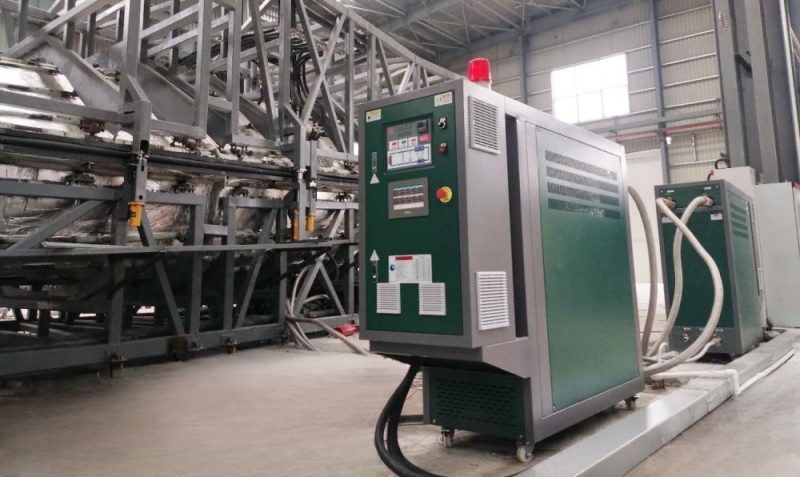
Overtemperature protection is one of the most important safety features in a high temperature oil mold temperature controller.
During normal operation, the temperature controller regulates the heating process according to the set temperature. However, if the main temperature sensor fails, the control system malfunctions, or a contactor becomes stuck, the heating elements may continue working even after the required temperature has been reached.
A reliable system should therefore have an independent overtemperature protection device in addition to its normal temperature control function. The independent high-temperature limit should:
- Monitor the oil temperature separately from the normal control loop.
- Trigger an alarm when the temperature exceeds the preset safety limit.
- Disconnect the heating circuit when a dangerous temperature is detected.
- Require inspection and appropriate reset procedures before restarting.
The key point is independence. If normal temperature control and overtemperature protection rely entirely on the same sensor and control logic, a single failure could affect both functions.
Hengde Insight:In our view, buyers should ask whether the high-temperature protection uses an independent sensor and safety control arrangement, rather than simply accepting the statement that the machine has an overtemperature alarm. An alarm informs the operator of a problem; an effective protective interlock can help prevent the problem from escalating.
2. Oil Flow Protection and Pump Monitoring
Oil circulation is essential to safe operation. In an oil mold temperature controller, the circulating pump transfers heated oil through the mold, roller, reactor, or other process equipment. If oil flow becomes insufficient, heat may accumulate around the heating elements. This can cause localized overheating, accelerate oil degradation, and potentially damage the heater or pipeline system.
A properly designed oil temperature control system should include suitable flow or circulation protection. Depending on the machine design, this may involve:
- A flow switch or flow-monitoring device.
- Pump overload protection.
- Pump operating status monitoring.
- An interlock that prevents heating when circulation is insufficient.
The heating system should not continue operating normally when the required oil circulation is lost. Pump selection also matters. The pump must provide sufficient flow and pressure for the actual application, taking into account pipeline length, mold resistance, oil viscosity, and operating temperature. A pump that is suitable for a small mold may not be appropriate for a large production system with long circulation pipelines.
3. Low Oil Level and Expansion Tank Protection
Heat transfer oil expands as its temperature increases. Therefore, an oil mold temperature controller needs an appropriately designed expansion arrangement to accommodate changes in oil volume during heating and cooling.
The expansion tank is not simply an additional storage container. Its capacity, connection, installation position, and ventilation arrangement all influence the safe operation of the system.
A low oil level can create serious problems. If the circulating system does not contain enough oil, the pump may draw in air or lose effective circulation. The heating elements may also become insufficiently covered, resulting in localized overheating.Important protection measures include:
- Oil level monitoring or low-level alarms.
- Suitable expansion tank capacity.
- Proper oil filling and venting procedures.
- Inspection of the expansion tank and connecting pipelines.
Operators should also check the oil level during routine maintenance, following the manufacturer's specified inspection procedure. The correct oil level may vary with operating temperature, so readings should be interpreted under the recommended conditions.
4. Electrical Safety Protection
High temperature oil mold temperature controllers often use high-power electric heaters and industrial circulation pumps. Electrical protection is therefore essential.
A well-designed control system should consider several potential electrical faults:
- Overcurrent and overload protection: Protects motors, heaters, and electrical circuits against excessive current.
- Phase loss and phase sequence protection: For three-phase power supplies, incorrect phase sequence or phase loss can cause motor problems and abnormal pump operation.
- Short-circuit protection: Helps protect electrical circuits and components when a short circuit occurs.
- Grounding protection: Proper protective grounding reduces the risk of electric shock if an electrical fault causes exposed metal parts to become energized.
- Emergency stop: Provides a clearly accessible way to initiate an emergency shutdown when an abnormal situation occurs.
The electrical cabinet should also be appropriately designed for the installation environment, with suitable component ratings, wiring, ventilation, and protection against dust or moisture where necessary.
It is worth remembering that electrical safety is not determined by the brand of the electrical components alone. Correct component selection, wiring design, installation, and maintenance all matter.
5. Pressure and Pipeline Safety
Although oil temperature controllers are circulation systems rather than conventional high-pressure boilers, pressure safety should not be overlooked.
The pump generates circulation pressure, and resistance in the mold, pipelines, valves, and heat exchangers affects the operating conditions.
If a pipeline becomes blocked or a valve is accidentally closed, abnormal pressure may develop in parts of the system.
Buyers should check whether the equipment design includes appropriate pressure monitoring or pressure protection where required. Pipeline materials, hoses, fittings, valves, and seals must also be rated for the actual operating temperature and pressure.
A useful point is that a component's pressure rating at room temperature may not represent its allowable working pressure at high temperatures. The supplier should confirm that the selected components are suitable for the intended operating conditions.
6. Oil Leakage and Fire Risk Prevention
Heat transfer oil used at 200°C, 300°C, or higher temperatures requires careful handling. A leak from a hot pipeline, flange, valve, or pump seal can expose workers to severe burns. Depending on the oil's properties and the surrounding conditions, leaked oil may also create a fire hazard.
Safety considerations should include:
- High-temperature-resistant seals and pipeline materials.
- Properly designed pipe connections and insulation.
- Protection of exposed hot surfaces where personnel may come into contact with them.
- Regular inspection of pump seals, valves, and flanges.
- Appropriate oil selection based on the manufacturer's recommended operating temperature.
The heat transfer oil's flash point and thermal stability should be considered together with the actual operating temperature. Using an unsuitable oil or allowing it to operate beyond its recommended temperature range can accelerate deterioration and increase operating risks.
Hengde Insight: A high-temperature oil mold temperature controller should be evaluated as part of a complete circulation system, not as an isolated machine. Even a well-built controller cannot compensate for unsuitable external pipelines, poor insulation, incorrect oil selection, or inadequate maintenance at the customer's factory.
7. Sensor Failure Detection and Alarm Functions
Temperature sensors provide the information needed for accurate control and safe operation. If a sensor becomes disconnected, damaged, or produces an abnormal signal, the control system must be able to respond appropriately.
Useful functions include:
- Sensor open-circuit and short-circuit detection.
- Abnormal temperature signal alarms.
- High-temperature alarms.
- Pump and heating system fault indications.
- Clear fault messages on the control panel.
A clear alarm system helps operators identify the source of a problem more quickly. It also reduces the risk of continuing production while an important fault remains unnoticed.
What Should Buyers Check Before Purchasing?
Before ordering a high temperature oil mold temperature controller, buyers should confirm more than the maximum heating temperature.
| Safety item | What to confirm |
| Overtemperature protection | Independent high-temperature limit and heater shutdown |
| Oil circulation | Flow monitoring and pump protection |
| Oil level | Low-level monitoring and expansion tank arrangement |
| Electrical protection | Overload, overcurrent, phase loss, and grounding |
| Pressure safety | Suitable pipeline ratings and pressure protection |
| Leakage prevention | High-temperature-resistant seals and connections |
| Sensor protection | Sensor fault detection and alarms |
| Emergency stop | Accessible emergency shutdown function |
The required protection configuration should be selected according to the operating temperature, heating capacity, oil type, process equipment, and installation environment. Applications involving flammable materials, hazardous areas, or special production requirements may need additional risk assessment and specifically designed equipment.
Choosing a Reliable High Temperature Oil Mold Temperature Controller Manufacturer
A reliable manufacturer should be able to explain how its safety protection system works, not just provide a list of components.
At Hengde, we manufacture industrial mold temperature controllers, including high-temperature oil models designed for demanding industrial applications. Our oil mold temperature controllers can be configured for different heating capacities and operating temperatures according to project requirements.
For buyers considering a 200°C, 300°C, or 350°C oil mold temperature controller, it is important to provide the manufacturer with the required operating temperature, heating capacity, circulating flow requirements, connected equipment, and power supply. These details help determine the appropriate heater, pump, pipeline, and protection configuration.
The best high-temperature oil mold temperature controller is not simply the one that reaches the highest temperature. It is the one that can maintain stable process conditions while providing appropriate protection against foreseeable operating faults.
If you are selecting an oil mold temperature controller for your production line, discuss the application and required safety configuration with an experienced manufacturer before placing your order.