头部背景图片

Shoe material testing equipment

2025-03-28

There are many types of shoe material testing equipment, which are used to test various properties of shoe materials. The following are some common shoe material testing equipment:

Toe bending test machine: used to test the bending resistance of finished shoes and evaluate the bending resistance of shoe materials.

Upper leather stretch test machine: simulates the compression, stretching and bending of the upper during walking after wearing shoes.

Leather wear test machine: suitable for the wear resistance test of wear-resistant materials used on the heels of leather shoes.

Bending test machine: used to connect and bend test pieces of a certain size, and observe the degree of cracking and damage of the test pieces after a certain number of bends.

Leather shoe shank stiffness tester: suitable for the determination of the longitudinal bending stiffness of the leather shoe shank.

Safety shoe compression tester: suitable for steel toe compression and steel mid-plate puncture resistance test of all types of safety shoes.

Anti-puncture bending test machine: test the bending resistance of safety insoles.

Leather Flex Tester: Determines the material's resistance to cracking or flexing at a bend crease.

Rubber resilience impact tester: measures the impact resistance of elastic materials and soft porous materials.

Sole static anti-slip tester: tests the static anti-slip properties of outsoles, high-heeled shoe heels and related outsole materials.

Testing machine double-arm tensile machine: used for various materials for tensile, compression, bending, shearing, bonding strength, peeling, tearing and other tests, suitable for a variety of materials.

Low-temperature sole bending tester: examines the bending resistance of the sole under low temperature environment.

Whole shoe wear tester: suitable for testing the wear resistance of finished shoe soles and molded soles (sheets).

Heel impact tester: simulates the ability of women's high-heeled shoes to resist sudden impact when wearing and walking.

Safety shoe withstand voltage tester: tests the voltage value that the sole or insulating shoe material can withstand.

Water vapor permeability tester: measures the water vapor permeability of leather or synthetic materials used for shoes or personal protective equipment.

Anti-yellowing chamber detector: simulates sunlight to measure anti-yellowing performance.

Rubber soles and shoes ozone aging tester: Evaluate the weather resistance of rubber soles and shoes in ozone environment.

These equipments cover a variety of performance tests such as bending resistance, wear resistance, impact resistance, puncture resistance, voltage resistance, water vapor permeability, etc. of shoes, and are indispensable tools in shoe production and quality control.


Email: hello@utstesters.com

Direct: + 86 152 6060 5085

Tel: +86-596-7686689

Web: www.utstesters.com

What are the factors that affect textile shrinkage?

2025-03-28

Measuring shrinkage is one of the common testing methods for textile testing, but practice has proven that the shrinkage of textiles is affected by many factors. Therefore, understanding the factors that affect textile shrinkage has positive significance for the scientificity and accuracy of measuring shrinkage.


Common factors that affect textile shrinkage include:

1.Fiber composition: Compared with synthetic fibers (such as polyester, acrylic), natural plant fibers (such as cotton, linen) and plant regenerated fibers (such as viscose) are prone to moisture absorption and expansion, so the shrinkage rate is larger, while wool is due to the scale structure on the fiber surface. It is easy to felt, which affects its dimensional stability.


2.Production and processing process: Since the fabric will inevitably be stretched by the machine during the dyeing, printing, and finishing processes, tension exists on the fabric. However, the fabric can easily release the tension when exposed to water, so we will Noticed fabric shrinkage after washing. In actual processes, we generally use pre-shrinking to solve this problem.


3.Fabric structure: Generally speaking, the dimensional stability of woven fabrics is better than that of knitted fabrics; the dimensional stability of high-density fabrics is better than that of low-density fabrics. Among woven fabrics, the shrinkage rate of plain weave fabrics is generally smaller than that of flannel fabrics; while among knitted fabrics, the shrinkage rate of plain knitted fabrics is smaller than that of ribbed fabrics.


4. Washing and care process: Laundry care includes washing, drying, and ironing. Each of these three steps will affect the shrinkage of the fabric. For example, the dimensional stability of hand-washed samples is better than that of machine-washed samples, and the washing temperature will also affect its dimensional stability. Generally speaking, the higher the drying oven temperature, the worse the stability. The drying method of the sample also has a relatively large impact on the shrinkage of the fabric.


Email: hello@utstesters.com

Direct: + 86 152 6060 5085

Tel: +86-596-7686689

Web: www.utstesters.com


2017 The 122nd Canton fair

2025-03-28

We are professional manufacturing and trading enterprise of various kinds of bags and luggages for outdoor and daily use with more than 15 years production experience. We 

Testing equipment a tool to enhance the competitiveness of manufacturers

2025-03-28

    In the wire and cable industry, accurate and reliable quality testing is an important link to ensure product performance and safety. Tophung is an enterprise specializing in the production of wire and cable testing equipment, and has long served many cable companies at home and abroad to explore the quality testing solutions of cable products in an all-round way. In the wire and cable industry, our main products are: TH-5806 Cable Bending testing machine, TH-5807 Cable 2D torsion testing machine, TH-5812 Cable vertical torsion testing machine, TH-5813 Cable drag chain bending testing machine, TH-5814 Cable 3D torsion testing machine, etc., these machines can be obtained from different repeated experiments. Detects the cable's performance of plastic deformation and displays its own defects.

    Our company offers wire and cable bending testing equipment with a variety of flexible functions and technologies, enabling manufacturers to achieve comprehensive quality control and product improvement. Here are a few highlights of our diverse testing:

1. Multi-angle bending test: Our equipment can simulate the use conditions of wire and cable at different angles, and ensure the reliability and durability of products through bending test at various angles. This helps manufacturers identify potential bending damage and failure points in advance to avoid subsequent problems caused by bending and improve product reliability and user satisfaction.

2. Accurate bending radius measurement: Our equipment uses advanced measuring technology to accurately measure the bending radius of wire and cable. By monitoring the change of bending radius, manufacturers can adjust the production process in time, and maintain consistent bending performance in the quality control process, to avoid product quality problems caused by too large or too small bending.

3. Dynamic bending simulation: Our equipment can simulate the dynamic bending of wire and cable in actual use. By conducting dynamic bending tests on products, manufacturers can better understand the performance of wire and cable under motion and vibration conditions, further optimize the structure and material of the product, and improve the reliability and durability of the product.

    Our wire and cable bending testing equipment helps manufacturers to improve product quality, improve production efficiency and enhance market competitiveness. We are committed to providing the most advanced inspection solutions for the wire and cable industry, helping manufacturers achieve sustainable development and industry leadership.

    Tophung - reliable production equipment manufacturers!


What is ASTM machine?

2025-03-28

ASTM (American Society for Testing and Materials) machines are specialized testing instruments designed to evaluate the mechanical and physical properties of materials according to ASTM standards. These machines play a crucial role in ensuring the quality, safety, and performance of materials used in various industries, including metal manufacturing, new composite materials, solar photovoltaic energy, wire and cable, automotive, and plastics.


At Suzhou TOPHUNG Machine Equipment Co., Ltd., we specialize in the research, development, production, sales, and service of high-quality ASTM testing machines. Our advanced testing equipment ensures that materials meet the rigorous requirements set by ASTM, enabling manufacturers to maintain consistency, reliability, and compliance with international quality standards.


Types of ASTM Testing Machines

ASTM testing machines come in various types, depending on the specific property being tested. Some common categories include:

  1. Material Mechanics Testing Machines – Used for tensile, compression, and bending tests on metals, plastics, and composites.
  2. Photovoltaic Special Testing Machines – Designed for evaluating solar panels and photovoltaic components.
  3. Cable Testing Machines – Ensure the durability and strength of electrical wires and cables.
  4. Fully Automatic Testing Machines – High-precision equipment for automated testing processes.
  5. Dynamic Fatigue Testing Machines – Simulate long-term stress conditions on materials and products.

Why Choose TOPHUNG for ASTM Testing Machines?

  • High Precision & Reliability – Our machines are built with advanced technology to provide accurate and repeatable test results.
  • Comprehensive Solutions – We offer a wide range of testing equipment, covering various ASTM standards for different industries.
  • Customization & OEM Services – We provide tailored solutions to meet specific customer needs, ensuring maximum efficiency and compliance.
  • Strict Quality Control – Each machine undergoes rigorous quality checks before delivery, ensuring long-term performance and stability.
  • Global Export Expertise – With years of experience in international trade, we supply ASTM testing machines to customers worldwide, offering professional after-sales support.

ASTM machines are essential for material quality assessment and compliance with international standards. At Suzhou TOPHUNG, we are committed to providing cutting-edge testing solutions that help businesses enhance product quality, reduce risks, and improve competitiveness in global markets. Whether you need material mechanics testing, photovoltaic testing, or cable testing machines, our team is ready to support you with top-notch equipment and technical expertise.

What is the function of Universal Testing Machines (UTMs)?

2025-03-28

    Universal testing machines (utm) play a vital role in various industries by examining the mechanical properties and properties of materials, components and finished products. These versatile machines can perform a wide range of tests, including tensile strength, compression, bending, shearing and more.

    Suzhou Tophung has been committed to providing our customers with professional material testing, structural testing and finished product testing excellent test instruments and overall quality testing solutions.


    TOPHUNG's utm is designed with precision and accuracy in mind, ensuring reliable and repeatable test results. With different load capacities and flexible test configurations, it can meet the test needs of different industries. Whether you need to test metal materials, composites, solar panels, wire and cable, automotive parts or plastic products, our utm offers a complete solution. They enable you to assess the durability, strength and integrity of materials and finished products, ensuring compliance with industry standards and regulations.

AWING VIII-01 Laser Cutting Machine Innovative Technology Boosts Manufacturing Advancement

2025-03-28

AWING VIII-01 Series is an entry-level 2D laser cutting machine that is easy to operate and highly reliable. It has gained considerable attention in the market due to its outstanding performance and innovative technology. It utilizes advanced laser technology to achieve fast and precise cutting of various materials, with its high-power laser beam effortlessly penetrating materials for high-quality and efficient cutting.

The cutting precision of the AWING VIII-01 laser cutting machine reaches 0.06mm, with excellent mechanical repeatability of only 0.03mm. This means that the machine's cutting accuracy and stability are effectively guaranteed during long-running processes, making it reliable for both precision craftsmanship and mass production, delivering consistent cutting quality.

This high accuracy laser cutting machine features a rapid movement speed of 120m/min and a maximum acceleration of 1.4G. This enables it to complete complex cutting tasks in a short period, enhancing production efficiency. Additionally, its high-speed movement and quick tool change system significantly reduce the preparation time for cutting processes, improving work efficiency.

Furthermore, the intelligent operating system simplifies the operation process and reduces its complexity. Operators can easily adjust cutting parameters and monitor the cutting process in real-time through the touch screen, enhancing production flexibility and responsiveness.

With the continuous advancement of technology, the pentalaser AWING VIII-01 laser cutting machine will continue to drive the development of the manufacturing industry, bringing more innovation and progress to the industry.


Comparison of Guyed Wire Telecom Towers with Other Tower Types

2025-03-27

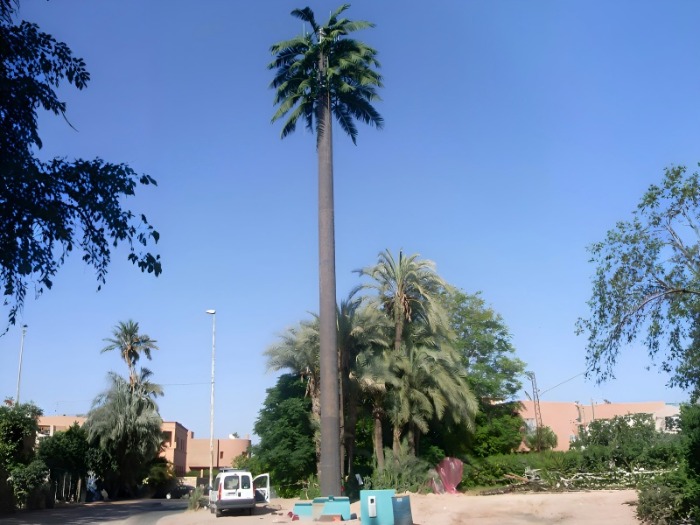
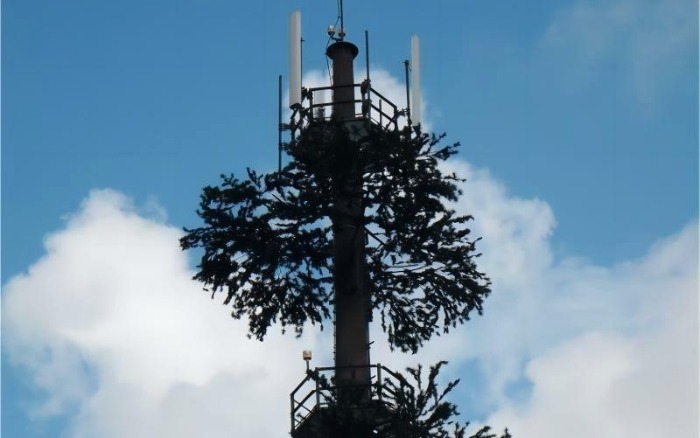
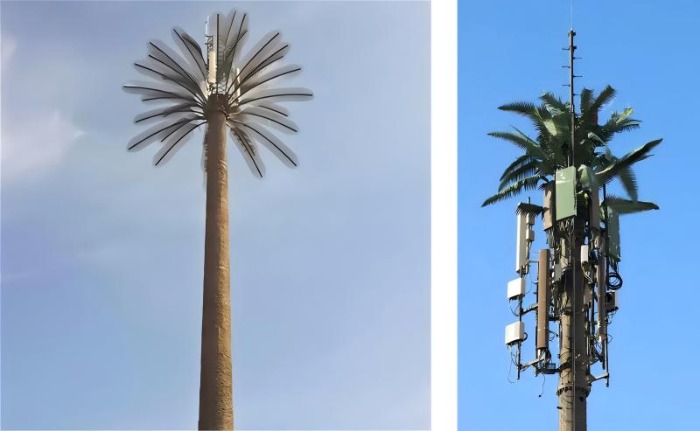
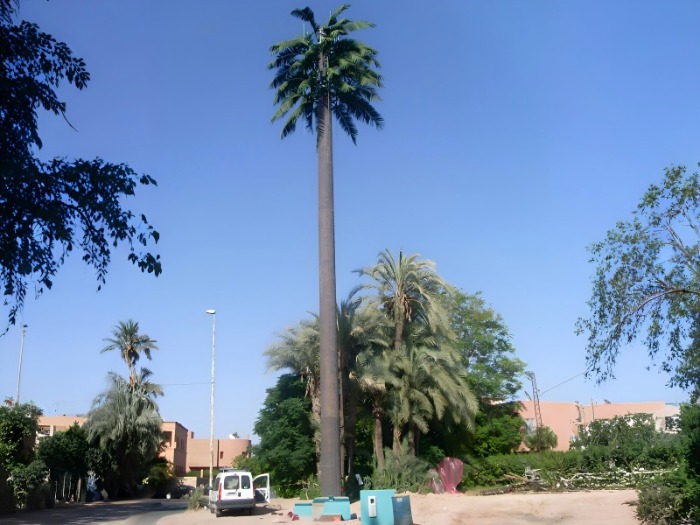
Telecom towers vary in design, each suited to specific environments and requirements. Here's a structured comparison of guyed wire towers with other common types (lattice, monopole, stealth, and self-supporting towers):

1. Height Capacity

  • Guyed Wire Towers: Tallest (200–600+ meters), ideal for extensive coverage in rural areas.

  • Lattice Towers: Moderate height (60–200 meters), self-supporting with robust frameworks.

  • Monopoles: Shorter (30–60 meters), suited for urban/suburban areas.

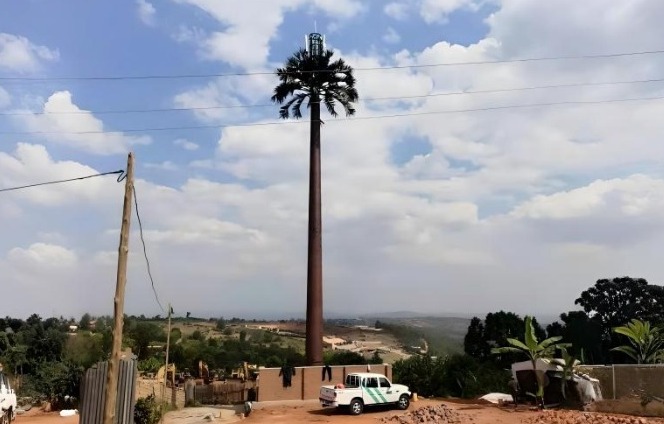
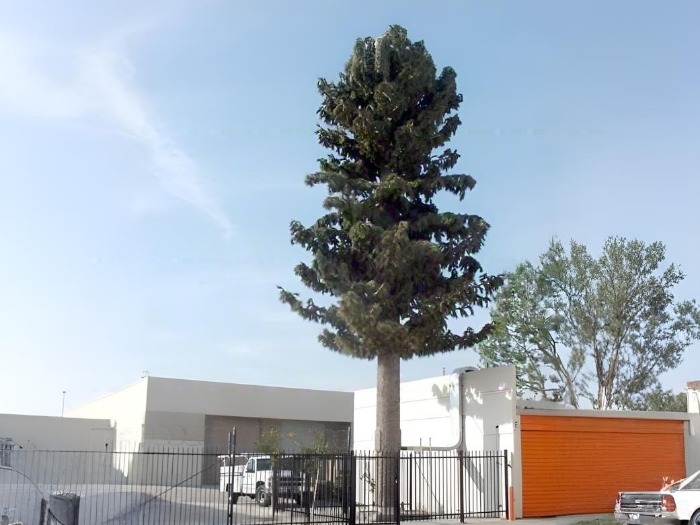
  • Stealth Towers: Height-limited (similar to monopoles), prioritizing aesthetics over height.

2. Cost

  • Guyed: Lower material costs due to wire support but may incur higher land/installation expenses.

  • Lattice: Moderate cost, more material-intensive than guyed.

  • Monopoles: Higher cost per meter due to thick steel/concrete construction.

  • Stealth: Most expensive due to custom designs (e.g., faux trees).

3. Space Requirements

  • Guyed: Large footprint (anchor points extend 30–60% of height), unsuitable for dense areas.

  • Lattice: Moderate base area, no guy wires.

  • Monopoles: Minimal ground space, ideal for cities.

  • Stealth: Similar to monopoles, with added space for disguises (e.g., fake branches).


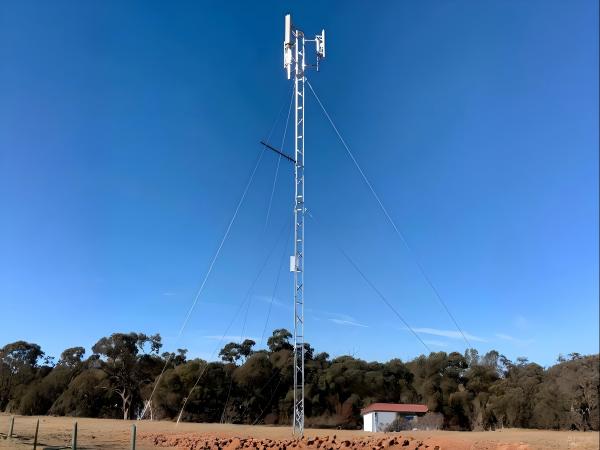
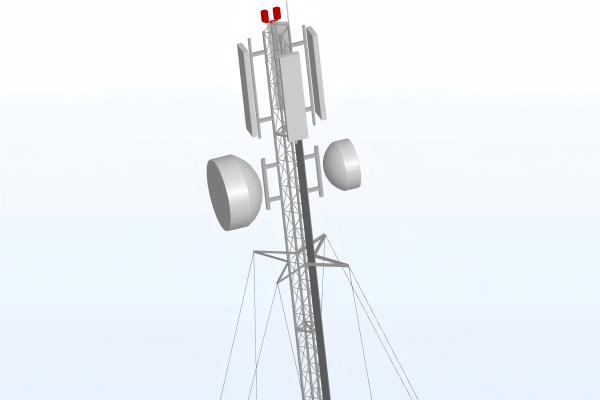
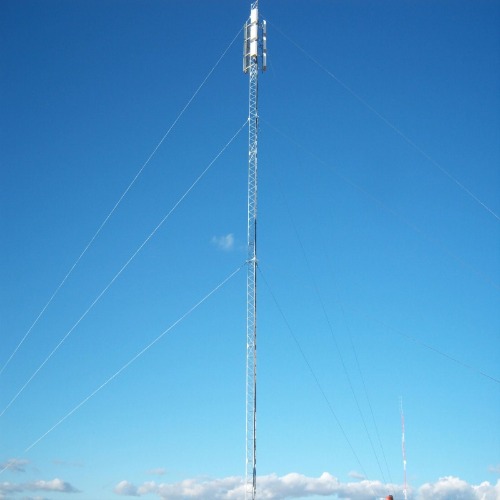
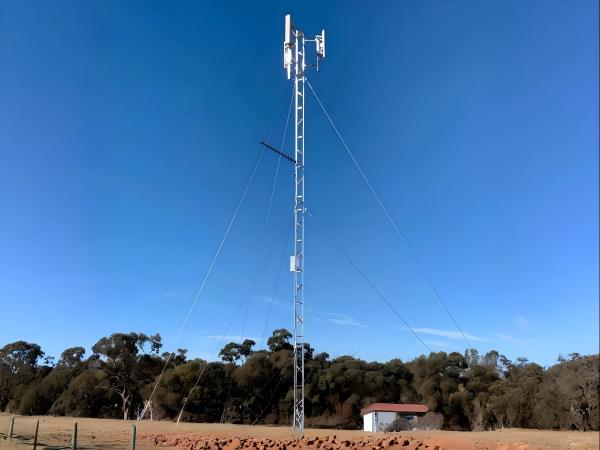
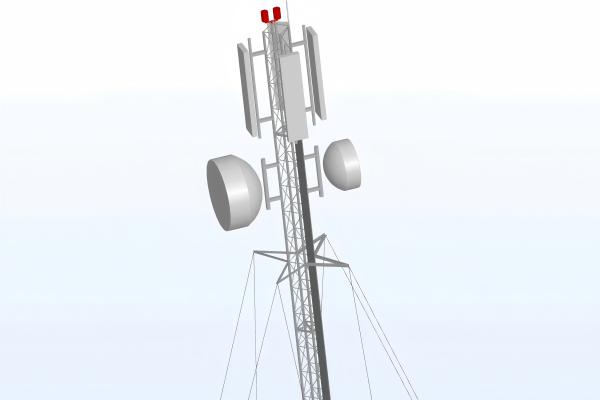
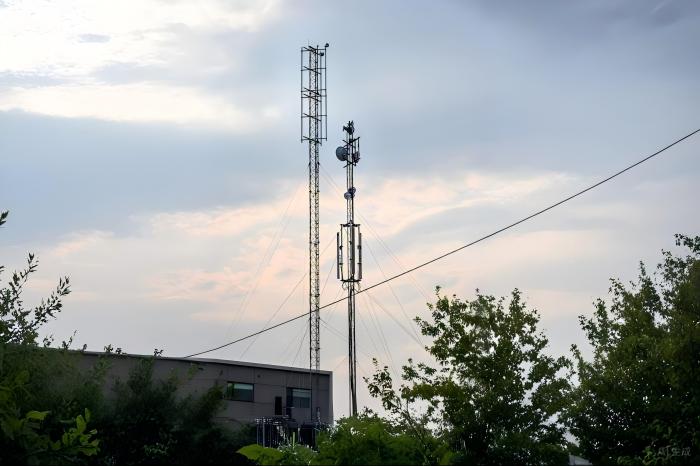
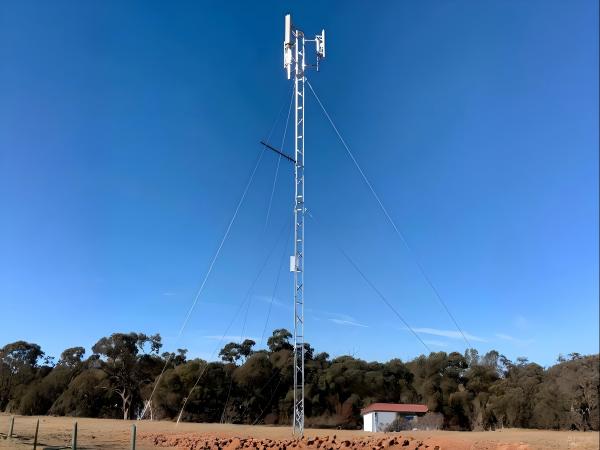
  • guyed mast telecom antenna tower

4. Installation & Maintenance

  • Guyed: Complex installation (anchoring wires), higher maintenance (wire tension, corrosion).

  • Lattice: Modular assembly, moderate maintenance (joint inspections).

  • Monopoles: Quick installation, low maintenance (simple structure).

  • Stealth: Installation varies; maintenance includes aesthetic upkeep.

5. Durability & Reliability

  • Guyed: Vulnerable to wire damage/vandalism; anchors may shift in soft soil.

  • Lattice: Highly durable in extreme weather (wind/ice).

  • Monopoles: Robust but height-limited; less wind-resistant at greater heights.

  • Stealth: Materials (e.g., fiberglass) may degrade faster than steel.

6. Applications

  • Guyed: Rural/remote areas, long-distance communication, broadcast.

  • Lattice: Broadcast, moderate-height cellular networks.

  • Monopoles: Urban cellular networks, small cells.

  • Stealth: Residential/Scenic areas (parks, historic sites).

7. Aesthetics & Zoning

  • Guyed: Least visually appealing; zoning challenges due to land use.

  • Lattice: Industrial appearance but less intrusive than guyed.

  • Monopoles: Slim profile, easier urban permitting.

  • Stealth: Blends into surroundings; preferred in sensitive areas.


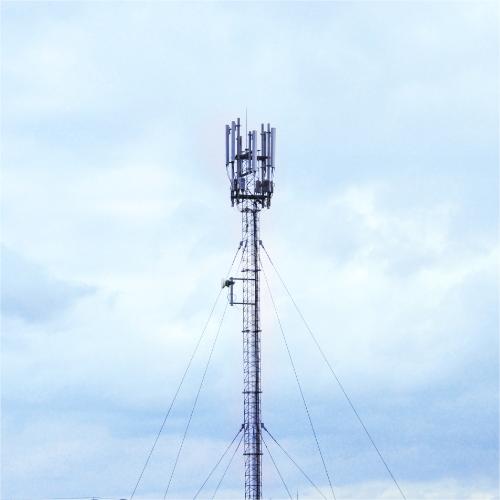
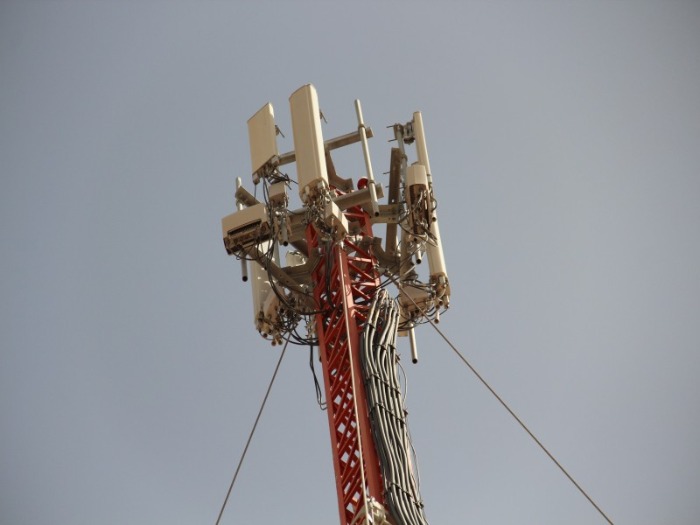
  • guyed mast telecom tower

8. Expandability

  • Guyed: Limited by wire tension; harder to modify.

  • Lattice: Easily expanded with additional antennas.

  • Monopoles: Limited capacity; may require replacement for upgrades.

  • Stealth: Design constraints limit expansion.

9. Environmental Impact

  • Guyed: Higher land disturbance for anchors.

  • Lattice/Stealth: Lower ecological impact (smaller footprint).

Summary Table: 

Feature Guyed Wire Lattice Monopole Stealth
Max Height 200–600+ m 60–200 m 30–60 m 30–50 m
Cost Low (materials) Moderate High per meter Highest
Space Large (guy anchors) Moderate base Minimal Minimal + aesthetics
Maintenance High (wires) Moderate Low Moderate-High
Durability Moderate (wire risks) High High Variable
Best Use Rural, broadcast Broadcast, cellular Urban cellular Scenic/Urban areas

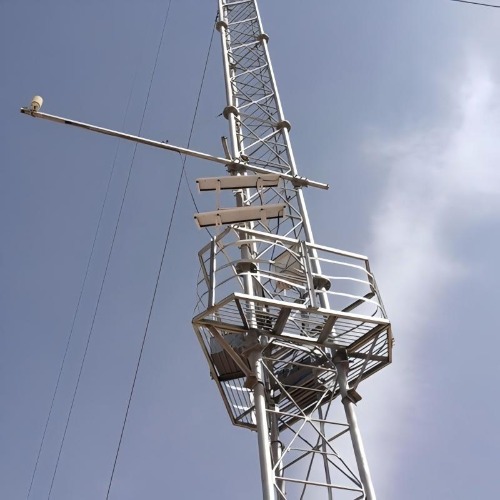
guyed wire antenna telecom tower


Conclusion: Guyed wire towers excel in cost-effective height for rural coverage but require significant space and maintenance. Monopoles and stealth towers prioritize urban aesthetics, while lattice towers balance durability and moderate height. The choice depends on height needs, budget, location, and visual requirements.


Learn more at www.alttower.com

 

Contact Us


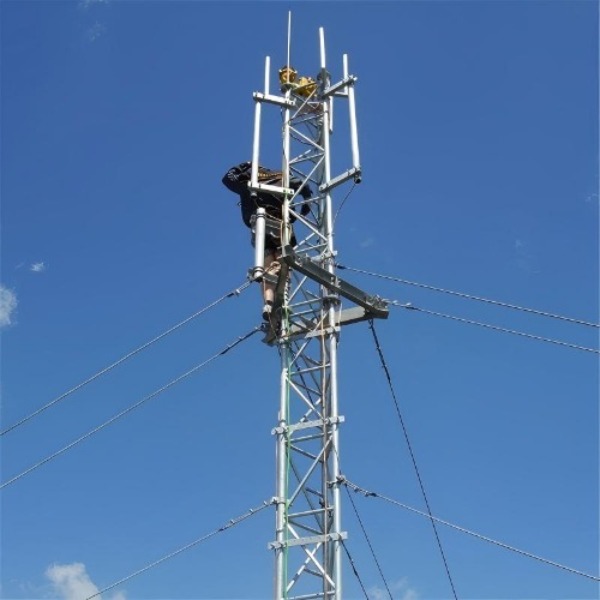
telecom tower supplier

AI Corn Color Sorter Precision Sorting of Moldy and Round Grains

2025-03-27

In an era where food safety and product quality are paramount, the corn processing industry is witnessing a transformative breakthrough. Grotech, a leading innovator in sorting technology, has introduced its latest product, the ZB2 Belt-Type AI Color Sorter, designed to tackle two of the industry's most pressing challenges: the precise removal of moldy grains and irregularly shaped particles.

zb2 color sorter sorting corn kernels

Raising the Bar with Cutting-Edge AI Technology

Traditional sorting equipment has long struggled to balance efficiency and accuracy when separating high-quality corn from defective grains. Manual re-inspection, though effective, is both time-consuming and costly, leading to inconsistent results and potential safety risks. Grotech's new AI-powered sorter promises to solve these problems with its advanced features, setting a new benchmark for corn sorting.

Core Technological Innovations: A New Era of Sorting

AI-Powered Dual-Dimensional Recognition System

The ZB2 sorter features a revolutionary AI-driven dual-dimensional recognition system that combines high-resolution imaging and deep learning algorithms to deliver unprecedented sorting precision. The system excels in detecting color anomalies that often indicate the presence of aflatoxins or other harmful molds. By identifying these color discrepancies, the ZB2 achieves an industry-leading moldy grain removal rate of over 99.9%. This technology ensures that only the cleanest, most uniform corn kernels reach the next stage of processing, safeguarding both food safety and consumer health.

Furthermore, the ZB2 incorporates real-time 3D contour scanning technology that precisely analyzes the shape of each kernel. This capability allows the system to accurately distinguish round, flat, or broken kernels—ensuring that only perfectly shaped grains are selected for further processing. Whether for food use or seed production, the ZB2 guarantees uniformity in particle morphology, a critical factor for both culinary and agricultural industries.

Belt-Type High-Efficiency Sorting Design

The ZB2 sorter is equipped with a belt conveyor system that ensures the corn grains lie flat and undisturbed, preventing the overlap that often occurs with traditional vibrating feeders. This unique design minimizes the risk of particle damage, especially when sorting high-moisture or freshly harvested corn. The sorter’s belt system is ideally suited for modern corn varieties, ensuring an efficient and gentle sorting process.

In terms of performance, the ZB2 sorter surpasses traditional equipment by offering an impressive processing capacity of 1.5 tons per hour. This enhanced throughput allows for up to 40% higher efficiency in large-grain sorting scenarios, significantly boosting productivity in commercial corn processing operations.

Adaptive Intelligent Control

The ZB2 is built with a sophisticated AI algorithm that automatically adjusts sorting parameters based on the type of corn being processed. Whether dealing with the tough kernels of Northeast hard corn or the delicate grains of Southern sweet corn, the machine can seamlessly switch modes at the touch of a button. This feature eliminates the need for complex manual adjustments, making the ZB2 exceptionally user-friendly and reducing the training time required for operators.

Meeting the Demands of the Modern Corn Industry

The applications of the Grotech ZB2 Belt-Type AI Color Sorter are vast and varied. It is designed not only for premium food processing but also for seed refinement and cost-efficient deep processing. By improving sorting accuracy and processing speed, the ZB2 enables operators to maximize the value of their corn harvest, reducing waste and ensuring the highest standards of quality.

In the food processing sector, where food safety is a top priority, the ZB2 ensures that only the best-quality corn makes it to the production line. For the seed industry, the precision sorting capabilities guarantee that only healthy, uniform seeds are selected for planting, fostering higher yields and stronger crops. Additionally, the ZB2 offers an economically viable solution for deep-processing applications, such as producing corn-based products that require consistently high-quality raw materials.

Grotech: Leading the Way in Agricultural Innovation

Grotech’s commitment to technological excellence and innovation is evident in the development of the ZB2 Belt-Type AI Color Sorter. As the demand for safer, higher-quality agricultural products grows, Grotech continues to push the boundaries of what’s possible in the world of grain processing. With its AI-powered sorting system, the ZB2 promises to elevate the corn processing industry to new heights of precision, efficiency, and sustainability.

As the agricultural sector moves toward smarter, more automated solutions, the Grotech ZB2 Belt-Type AI Color Sorter is poised to become an indispensable tool for producers seeking to meet the ever-growing demands of global food safety and quality standards.


The Various Usage of Cellular on Wheels ( COW) of Different Height

2025-03-24
  • Cellular on Wheels (COWs) are portable mobile cell sites that can be deployed temporarily to enhance network coverage and capacity in areas with increased demand or during emergencies. The height of a COW can vary based on the specific requirements of the deployment scenario. Here are some common use cases for COWs of different heights:

  • Low-Height COWs (10-20 feet):
  • cellular on wheels cow tower
  • Crowded Events: In crowded events like concerts, festivals, or sporting events where there is a high concentration of people, low-height COWs can be deployed to provide additional capacity and coverage to handle the increased demand on the network.

  • Urban Areas: In urban areas with limited space or height restrictions, low-height COWs can be used to supplement existing coverage and improve network performance in areas with high foot traffic or congestion.

  • Temporary Coverage: For short-term events or temporary situations where a quick deployment is needed, low-height COWs can be easily set up and provide immediate cellular coverage and capacity.


  • Medium-Height COWs (20-40 feet):
  • cellular on wheels
  • Suburban Areas: In suburban neighborhoods or areas with moderate population density, medium-height COWs can be deployed to extend coverage, fill coverage gaps, or improve network capacity during peak usage times.

  • Emergency Response: During emergencies such as natural disasters or public safety incidents, medium-height COWs can be used to establish temporary communication networks to support emergency response efforts and ensure connectivity for first responders and affected populations.

  • Rural Settings: In rural or remote areas with limited existing infrastructure, medium-height COWs can be deployed to provide temporary coverage and capacity, especially during events or situations that require additional network resources.


  • Tall-Height COWs (40+ feet):
  • 40m cell on wheels
  • Rural and Remote Areas: In remote or sparsely populated areas where tall structures are needed to cover larger geographic areas, tall-height COWs can be deployed to improve signal range and coverage for residents, businesses, and travelers.

  • Network Expansion: For network expansion projects or infrastructure upgrades, tall-height COWs can be used to fill coverage gaps, enhance network capacity, and support the rollout of new technologies such as 5G.

  • Special Events: During large-scale events like fairs, exhibitions, or outdoor gatherings, tall-height COWs can be utilized to provide extensive coverage and capacity to accommodate the high volume of mobile users in attendance.


  • By deploying COWs of different heights strategically based on the specific requirements of each scenario, mobile network operators can effectively address temporary coverage needs, enhance network capacity, and ensure reliable connectivity for users in various environments and situations.

Learn more at www.alttower.com
 

Contact Us


telecom tower supplier

Tags