头部背景图片

The Revolution of Airline Food Packaging Automated Machines for Aluminum Foil Containers

Have you ever wondered how those neatly packed meals are prepared for airline passengers? Behind the scenes, innovative machines are revolutionizing the production of airline food containers. One such breakthrough is the automated aluminum foil container making machine, which streamlines the manufacturing process and ensures precision and consistency.

Aluminum Foil Food Container Making Machine

The aluminum foil food container making machine is a state-of-the-art invention that has transformed the way airline meals are packaged. This automated machine takes flat rolls of aluminum foil and quickly converts them into the familiar meal boxes or lunch boxes we find on our trays during flights.

Operating with remarkable efficiency, the machine functions by feeding the aluminum foil into the system, where it is precisely cut and shaped. The automated process involves various stages, ensuring the containers are formed with accuracy and speed. From shaping the base to folding the edges, every step is meticulously executed, resulting in perfectly crafted food containers.

Aluminum Foil Meal Box, Lunch Box Making Machine

The aluminum foil meal box and lunch box making machine are designed to meet the demands of food packaging in various settings, including airlines. This versatile machine is capable of producing different types and sizes of containers to accommodate varying culinary requirements.

Equipped with advanced technology, this cutting-edge machine can produce meal boxes and lunch boxes with exceptional precision and speed. It handles every aspect of container production, such as forming the compartments, creating secure locks, and ensuring airtight seals. The finished products are reliable, durable, and specifically designed to preserve the quality of the food they contain.

Airline Food Packing Machine

To efficiently pack the prepared meals into the aluminum foil containers, airlines rely on the innovative airline food packing machine. This automated system optimizes the packaging process, ensuring that meals are securely placed inside the containers before they are sealed.

The airline food packing machine operates seamlessly with the aluminum foil containers made by the previous machines. The prepared meals are meticulously positioned within the containers, maximizing space while maintaining their presentation. This machine guarantees that the food containers are tightly sealed, preventing any leakage or alteration of the meal’s quality during transportation.

Benefits of the Revolution

The introduction of these automated machines has brought numerous benefits to the airline food industry. Firstly, the enhanced efficiency of production ensures a consistent supply of high-quality food containers, eliminating the possibility of delays or shortages. Airlines can now rely on a steady stream of precisely manufactured containers, enhancing their overall service efficiency.

Secondly, the automated nature of these machines eliminates the need for manual labor in container production. This not only reduces labor costs but also ensures a higher level of hygiene and cleanliness. The machines are designed to meet strict hygiene standards, guaranteeing the safety and quality of the food packaging process.

Lastly, the automated machines allow for customization and flexibility in container design. Airlines can adapt the machines to produce containers with specific dimensions or functionalities, catering to the diverse needs of their passengers.

In conclusion, the invention and implementation of automated machines for aluminum foil container production have revolutionized the airline food packaging industry. These advanced machines offer superior accuracy, efficiency, and customization, ensuring that passengers receive their meals in top-quality containers. With these innovations, airlines can elevate their in-flight dining experience, all thanks to the wonders of modern technology.

The Powerful Efficiency of Triplex Mud Pumps for Drilling

Are you in search of a highly efficient drilling solution? Look no further than triplex drilling mud pumps. Designed to handle tough drilling projects with ease, these pumps are essential equipment for industries such as oil and gas, mining, and horizontal directional drilling (HDD). In this article, we will delve into the world of triplex mud pumps, exploring their benefits, applications, and why they are the go-to choice for various drilling operations.

Understanding Triplex Mud Pumps

Triplex mud pumps are reciprocating pumps that utilize three pistons to provide a steady flow of drilling fluid, or mud, into the drilling hole. These pumps are known for their robust construction, high pressure capabilities, and durability. The use of three pistons ensures a continuous flow of mud, minimizing downtime and maximizing productivity.

The Versatility of Triplex Mud Pumps

Triplex mud pumps have extensive applications in the drilling industry, including HDD mud pumps. Whether it’s drilling for oil and gas, installing underground utilities, or executing geotechnical investigations, triplex mud pumps offer exceptional performance in various drilling scenarios.

Improved Efficiency in Drilling Operations

One of the primary advantages of triplex mud pumps lies in their ability to handle high-pressure environments. Their hydraulic power ensures the seamless circulation of drilling fluids, which aids in the cooling and lubrication of drilling tools. This leads to reduced wear and tear on equipment, resulting in improved efficiency and longevity.

Elephant Mud Pumps: A Superior Choice

An example of a top-performing triplex mud pump is the Elephant mud pump. Renowned for its power and reliability, the Elephant mud pump has been a preferred choice for countless drilling professionals. Its robust design and exceptional pressure capabilities make it suitable for the most challenging drilling projects.

Benefits of Using Triplex Mud Pumps

  • High Pressure: Triplex mud pumps can generate high pressures, allowing for deep drilling operations.

  • Consistent Flow: The three-piston design ensures a continuous flow of mud, reducing downtime and enhancing productivity.

  • Quick and Easy Maintenance: With a user-friendly design, triplex mud pumps are easy to maintain, minimizing downtime for repairs.

  • Versatility: From oil and gas drilling to HDD, these pumps offer versatility in various drilling applications.

  • Reliability: Triplex mud pumps are built to withstand demanding conditions, ensuring reliability in the field.

Conclusion

Triplex drilling mud pumps, like the Elephant mud pump, play a critical role in the success of drilling operations. Their high-pressure capabilities, continuous flow, and exceptional reliability make them an indispensable piece of equipment in the drilling industry. If you are searching for an efficient solution to your drilling needs, consider investing in a triplex mud pump. With their superior performance and versatility, these pumps are sure to enhance productivity and drive success in your drilling projects.

Maximizing Efficiency with JNW120-1000 PP PS Single Screw Plastic Sheet Extrusion Line Machine

Efficiency is a key factor for any product editor, and in the world of plastic extrusion, it is no different. When it comes to PP extrusion lines, PS extrusion lines, PP sheet extrusion machines, and PS sheet extrusion machines, finding the right equipment that can streamline the production process is crucial.

Enter the JNW120-1000 PP PS Single Screw Plastic Sheet Extrusion Line Machine, a sophisticated solution designed to revolutionize plastic extrusion. This state-of-the-art machine combines precision, reliability, and versatility, making it an invaluable asset for any plastic manufacturing business.

With the JNW120-1000, you can take your PP and PS extrusion capabilities to new heights. The single screw design offers excellent melt homogeneity, ensuring consistent and high-quality output every time. Its advanced control system allows for precise temperature and pressure regulation, delivering unmatched precision and efficiency.

This extrusion line machine is specifically engineered to handle a wide range of plastic materials, including PP and PS. Whether you need to produce rigid or flexible sheets, the JNW120-1000 has you covered. By adjusting the processing parameters, you can achieve the desired physical and mechanical properties for your sheets, catering to diverse industry demands.

One of the standout features of the JNW120-1000 is its exceptional production capacity. With a speed of up to 1000 mm per minute, this machine significantly increases productivity, allowing you to meet tight deadlines and fulfill large orders effortlessly. Its robust construction ensures durability and longevity, minimizing downtime and maximizing profits in the long run.

Moreover, the JNW120-1000 is designed with ease of use in mind. The intuitive control panel simplifies operation, while the user-friendly interface provides easy access to critical parameters and production data. This not only reduces the learning curve but also enables operators to monitor and adjust the machine effortlessly, ensuring optimal performance at all times.

In conclusion, the JNW120-1000 PP PS Single Screw Plastic Sheet Extrusion Line Machine is a game-changer for plastic extrusion. Its cutting-edge technology, versatility, and high production capacity make it an indispensable tool for any product editor. By investing in this top-of-the-line machine, you can maximize efficiency, achieve superior product quality, and gain a competitive edge in the dynamic world of plastic manufacturing.

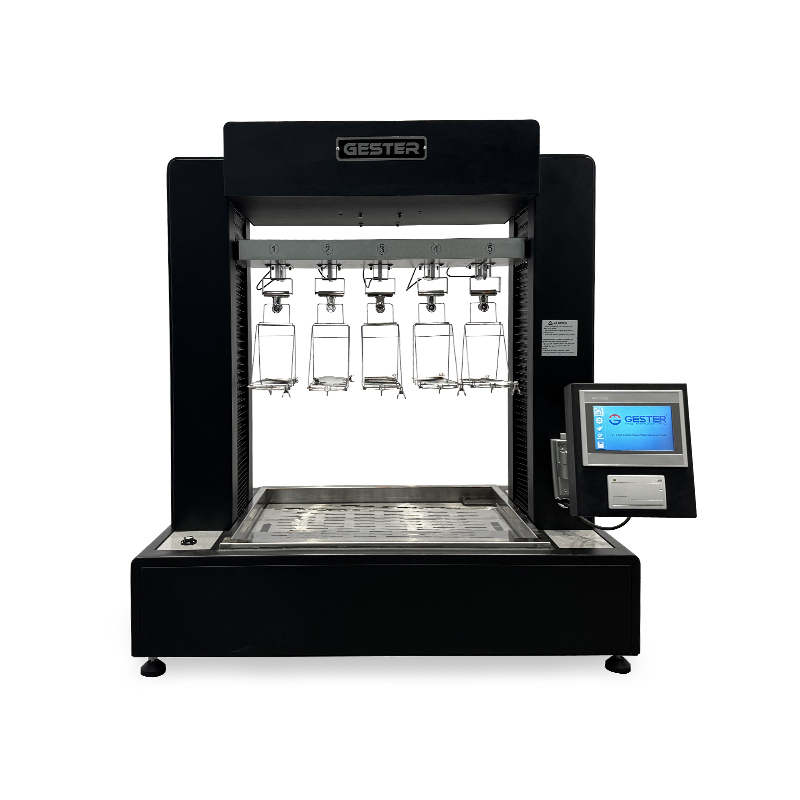
What is The Spray Rating Tester For Protective Clothing GT-C31

2024-09-29


What is The Spray Rating Tester For Protective Clothing GT-C31

In industries where protective clothing is essential, ensuring the garments' water resistance plays a crucial role in determining their durability and effectiveness. The Spray Rating Tester For Protective Clothing GT-C31 is a vital tool in evaluating the water repellency of protective fabrics. It simulates real-world conditions by spraying water onto textile samples to assess their surface wetting resistance. This article will explore the importance of water repellency testing in protective clothing and provide an in-depth overview of the Spray Rating Tester GT-C31.

Importance of Water Repellency in Protective Clothing
Protective clothing is widely used in sectors such as healthcare, firefighting, industrial work, and outdoor professions where exposure to water, chemicals, and hazardous substances is frequent. The ability of the fabric to repel water is critical because it ensures the wearer's safety by keeping harmful liquids at bay. The Spray Rating Tester GT-C31 provides an efficient method for determining how well fabrics perform in preventing surface wetting, which is especially important for garments exposed to rain or chemical splashes.

Understanding the Spray Rating Tester GT-C31
The Spray Rating Tester GT-C31 is designed specifically to simulate light rain conditions, allowing manufacturers and quality control professionals to measure fabric performance in repelling water. The tester uses a precise method to evaluate surface wetting by spraying water on a sample fabric at a controlled angle and height, as specified in international standards.


Step-by-Step Process of Spray Rating Testing
To understand how the Spray Rating Tester GT-C31 works, let’s break down the test procedure into its key steps:

Step 1: Sample Preparation
Begin by preparing a 180mm x 180mm textile sample. The textile should be representative of the material used in protective clothing to ensure accurate results. Once ready, the sample is installed on the fixture to secure it in place for testing.

Step 2: Securing the Sample
The fixture with the textile sample is then fixed on the 45° test station. This angle ensures that water is sprayed in a manner that mimics natural rain hitting the fabric surface.

Step 3: Funnel and Baffle Placement
A test funnel is placed in the fixed ring above the fixture, and a baffle plate is positioned in the center of the funnel. The baffle ensures that the water is distributed evenly across the textile sample during the test.

Step 4: Measuring Distance
Next, measure the distance between the bottom of the funnel and the sample surface. The prescribed distance is 150mm, but this height can be adjusted based on specific testing requirements.

Step 5: Water Application
Pour 250ml of distilled water into the funnel. The spray time is crucial and should fall between 25 and 30 seconds to ensure consistent results. The controlled flow rate replicates rain conditions that the protective clothing may encounter in the real world.

Step 6: Evaluation of Results
Once the test is completed, remove the textile sample from the fixture and compare it against the standard rating cards. These cards help in assessing the water repellency of the sample based on the degree of surface wetting observed.


Why Choose the Spray Rating Tester GT-C31?
The Spray Rating Tester GT-C31 offers a reliable and standardized method to evaluate water repellency in protective fabrics. It is widely used by manufacturers, research institutions, and testing laboratories due to its precision, ease of use, and adherence to international standards such as ISO and AATCC.

1. Precise Measurements: The Protective Clothing Spray Rating Tester  ensures that each test is conducted under controlled and consistent conditions, leading to accurate and reliable results.

2 .Standardized Testing: It complies with international standards for water repellency testing, making the results widely accepted across industries.

Advantages of CNC Machining

2024-09-27

In the dynamic landscape of the automotive industry, precision and innovation are paramount. Among the many technological advancements shaping this sector, Computer Numerical Control (CNC) machining stands out as a game-changer, especially when it comes to manufacturing high-quality automotive parts, Not only does it embody the essence of modern manufacturing, but it also underscores the strength and capabilities of factories offering this specialized service. Let's delve into the unique advantages of CNC mechanical parts processing in the realm of automotive components and explore why it's a testament to a factory's prowess.


CNC Machining

CNC Machining


1.Mold-Free Manufacturing: A Cost-Effective Approach

One of the most appealing aspects of CNC machining for automotive parts is the elimination of mold fees. Traditional manufacturing methods often require expensive molds or dies for mass production, which can significantly increase upfront costs. With CNC machining, however, parts are cut directly from solid blocks of material such as aluminum, steel, or plastics using computer-controlled cutting tools. This means no need for expensive molds, allowing for faster product development cycles and cost savings that can be passed on to customers.


2.Unparalleled Precision and Repeatability

Precision is paramount in the automotive industry, where even the slightest deviation can compromise the safety and performance of vehicles, CNC machines operate with incredible accuracy, ensuring consistent quality and tight tolerances across every part produced. The use of advanced software and sophisticated sensors guarantees that each part is crafted to precise specifications, ensuring repeatability from the first piece to the last. This level of precision is crucial for components like engine blocks, transmission gears, and brake systems where even minor deviations can have severe consequences.


3.Boosted Productivity and Efficiency

In today's fast-paced manufacturing environment, time is money. CNC machines are renowned for their high production rates, allowing factories to churn out automotive parts quickly and efficiently. Automated processes minimize human intervention, reducing the risk of errors and speeding up production cycles. Furthermore, CNC machines can run continuously with minimal downtime, further enhancing overall productivity, This increased efficiency translates into faster time-to-market and the ability to meet the demanding schedules of the automotive industry.


4. Conquering Complexity: Where Other Methods Fail

Automotive design is becoming increasingly sophisticated, with complex geometries and intricate details that challenge traditional manufacturing methods, CNC machining excels in these scenarios, offering the flexibility to create parts with complex shapes and features that would be difficult or impossible to produce using other techniques, From intricate cooling channels within engine blocks to the delicate contours of aerodynamic body panels, CNC machines can precision-cut even the most complex geometries with ease. Moreover, they can access and machine hidden or inaccessible areas, enabling the creation of parts with unparalleled functionality and design freedom.


CNC machining for automotive components represents the pinnacle of modern manufacturing, marrying precision, efficiency, and versatility, By eliminating mold fees, ensuring repeatable high-quality production, boosting productivity, and tacking complex geometries with ease, CNC machining underscores the strength and innovation of factories offering this service. As the automotive industry continues to evolve, the demand for CNC-machined parts will only grow, making it more essential than ever for factories to invest in this technology and the skilled technicians who operate it.

A Complete Overview Of Elephant Diesel Engine Mud Pump

2024-09-27


Elephant Diesel Mud Pump is an efficient and reliable equipment widely used in oil drilling, mining, construction, tunnel engineering and other fields. Here is a complete overview of Elephant Diesel Mud Pump:


  • Design Features:Mud Pumps With Diesel Engine adopts advanced design and manufacturing technology, and is efficient, energy-saving and durable. It is designed for handling mud and viscous liquids and can operate stably in harsh working environments.


  • High-pressure output: Elephant Diesel Mud Pump is able to provide high-pressure output, making it suitable for handling high-density mud and liquid solids. High-pressure output helps to effectively carry and discharge mud to meet engineering needs.


  • Durability and Reliability: Elephant Diesel Mud Pump adopts high-quality materials and components, which are precision-processed and strictly quality-controlled to ensure its durability and reliability. This enables the pump to maintain stable performance under long-term heavy-load operation.


  • Easy Operation: Elephant Diesel Mud Pump adopts a user-friendly design and is easy to operate. It is equipped with advanced control systems and instruments, allowing operators to easily monitor and control the operating status of the pump.


  • Customizability: Elephant Diesel Mud Pump is available in a variety of models and specifications to meet different engineering needs. According to the specific application scenario, it can be customized, including the pump displacement, pressure and outlet size.


  • After-sales service: As an industry-leading manufacturer and supplier, Elephant Machinery is committed to providing customers with perfect after-sales service. We have a professional after-sales team that can provide timely technical support, maintenance and repair services to ensure that customers' equipment can continue to operate efficiently.


In short, Mud Diesel Engine Pump is an efficient and reliable equipment with advantages such as high-pressure output, durability, easy operation and customizability. It plays an important role in fields such as oil drilling, mining and construction, effectively handling mud and viscous liquids. By choosing the Elephant diesel mud pump, you can get high-quality equipment and excellent after-sales service to meet your engineering needs.


If you have further understanding of the Elephant diesel mud pump or other related products or need detailed consultation, please feel free to contact us. We are willing to provide you with support and help.


PPS PET and PA parts Cryogenic deburring/ Deflashing Machine

2024-09-27


PPS PET and PA parts nitrogen deburring machine


Cryogenic deflashing and deburring system is a process that employs cryogenic temperatures to remove flash on manufactured workpieces made of a wide range of plastics (and other materials) both thermoset and thermoplastic. Some examples of materials used include nylon, HD-PE, PPS, PET, polycarbonate, polypropylene, polyurethane, liquid crystal polymer, PA+GF, PC+GF, PEEK, and Acetal. Manufactured parts that have been successfully deburred include those made through injection molding, compression molding and extrusion molding.


 What is “Flash.”

“Flash” is a raised edge attached to the workpiece. It is an unwanted piece of material and requires removal. Many medical devices and other precision components are included in deflashing applications. Deburring accounts for a significant amount of the costs of manufacturing. The cryogenic deflashing process causes the flash or burr to become stiff or brittle and break away leaving a clean edge. There are three types of burrs that can be formed in manufacturing operations and can be classified by the physical manner of formation: Poisson burr, roll-over burr and Tear burr.

Poisson Burr

A Poisson burr results from the tendency of a material to bulge at the side when compressed until permanent deformation of the plastic occurs.

Roll-over Burr

A roll-over burr is a burr that is more of a chip that is bent rather that sheared. The resulting burr is usually comparatively larger. The process even removes recessed burrs in blind and through holes.

Tear Burr

A Tear burr is the result of material tearing from a work piece rather than shearing from it.


In the cryogenic deflashing process, parts are loaded into a basket. A cryogem such as liquid nitrogen is used to cool the workpieces. After they are cooled they are tumbled with pellets- often a polycarbonate media ranging in size from 0.006 to 0.080 inches (0.15mm to 2.03 mm.) Sometimes cryogenic deflashing does not rely on a blasting action but rather on the tumbling of the parts to remove flash from the outer edges. The process can even remove recessed burrs in blind and through holes. The process does not affect the surface finish or the geometry of the part. Edges are maintained without rounding or removal of extra material and only the unwanted burrs are removed.


Cryogenic Deflashing Systems Advantages

Cryogenic deflashing equipements provides advantages over manual deflashing.

The process maintains part integrity and critical tolerances. As it is a bath process the price per piece is far less as many more parts can be processed at the same time.

Cryogenic deflashing is non-abrasive.

As the process is computer controlled, the human operator variable is removed from the process.

Mold life is extended by the cryogenic deflashing process. Instead of making a new mold a company may choose to deburr a manufactured part cryogenically and achieve the same product quality very much as they would with a new mold for a period of time until maintenance is performed.


Pege’s Automatic Nitrogen Trimming Machine’s Features

Greater productivity

Large output in short time

Better and consistent Finish

Low Labour dependence

Space Saving

Low Media Consumption

Wide variety of rubber compounds - NR to Silicon Rubber

Low Nitrogen Usage

Simple Electrical Controls

High Efficiency Blast Wheel

Safety Interlocks

Simple and Very Low maintenance


PU TPU TPE parts cryogenic deburring machine

2024-09-27

PU TPU TPE parts cryogenic deburring machine


Cryogenic Deflashing or cryogenic deburring is available for all molded parts, including those made of plastics, polymers, nylons, rubbers, silicone rubber, polyurethane, neoprene, liquid crystal polymer, urethane, viton, polycarbonate, PTFE, PPS, delrin, polypropylene, EPDM, nitrile, butyl, DAP, ABS, PEEK, Acetal and aluminum zinc die cast and precision elastomer parts.


Cryogenic Deflashing Works On Most Molded Parts


The computer-controlled process generates repeatable and reliable results. Many medical devices and other high value precision molded components are included in our vast array of successful deflashing applications. We have processed parts manufactured through injection molding, compression molding and extrusion molding.

Our cryogenic deflashing machine offers a fast and repeatable process to remove flash from plastic parts. Through freezing, tumbling and blasting polycarbonate media at your injection molded plastic parts, we are able to remove residual mold flash time and time again.

The Cryogenic Deflashing process was originally created to remove mold flash from rubber parts. We are able to deflash rubber parts that are injection molded, extrusion molded and compression molded. We have processed parts made of various durometers. We typically deflash rubber parts made of EPDM, neoprene, Viton, Buna-N, nitrile, natural gum, SBR, butyl, and other elastomers.

Our Cryogenic Deflashing machine is often used by molders who work with silicone rubber. Silicone rubber, by its nature, is very viscous causing it to flash during the molding process. The Pege’s Deflashing machine removes mold flash from silicone rubber parts. We deflash parts made of liquid silicone rubber and even special blends of silicone rubber that include conductive fillers such as silver, graphite, nickel.


Rather than invest in an expensive new or repaired mold tool, customers can elect to extend the functional life of their mold tool by adding the additional step of deflashing, to finish the part and remove any residual flash leftover after molding operations. It is economical to pay only a slight premium per part than to invest in a new molding tool that has a limited production life.


Cryogenic Deflashing is a fast and efficient process that provides complete removal of mold flash without affecting the surface finish. Therefore, it is a safe,clean and cost-effective alternative to traditional methods.

Parts are placed in a chamber, cooled, tumbled and impacted with plastic polycarbonate media. Mold flash is removed quickly and cleanly. No dust or residue remains after deflashing.

Cryogenic Deflashing is more cost-effective than labor-intensive hand deflashing by a significant margin. The cost to process parts can range from less than .01 cent to several dollars apiece. General rule of thumb: cost is between 10% and 20% of the value of the part, although each part must be considered on its individual


Nanjing Pegedeflashing’s Cryogenic Deburring Machine’s ADVANTAGES

Greater productivity

Large output in short time

Better and consistent Finish

Low Labour dependence

Space Saving

Low Media Consumption

Wide variety of rubber compounds - NR to Silicon Rubber

Low Nitrogen Usage

Simple Electrical Controls

High Efficiency Blast Wheel

Safety Interlocks

Simple and Very Low maintenance


Our factory and Workshop of cryogenic deflashing systems

Nanjing Pege Techno Machine Co.,Ltd production plant is located in the No.9 Ankang road, Guli Industrial Zone, Jiangning District, Nanjing.
We have professional production workers and process, are determine to produce best product for the customer all over the world


Packing and Transportation of cryogeic deflashing equipments

The machine produced by Nanjing Pege is well packed by plywood carton suitable for long distance sea transportation to ensure machine safety and performance.

We can help customer to arrange the transportation by the terms of FOB, CIF with land or sea transportation methods according to the request from the 

The main components of an aluminum foil airline food container making machine

2024-09-27

An aluminum foil container making machine is a specialized machine used for the production of aluminum foil food containers specifically designed for use in airlines and other similar food service industries. The aluminum foil plate/ tray making machine is capable of producing a high volume of uniform and standardized food containers in a fast and efficient manner.

The main components of an aluminum foil airline food container making machine typically include:

  1. Feeding System: This system is responsible for feeding the aluminum foil material into the machine for further processing. It may consist of a roll of aluminum foil and a tension control system to ensure smooth and continuous feeding.

  2. Material Cutting System: The machine is equipped with a cutting system to accurately cut the aluminum foil into the desired shape and size for the food containers. Various cutting mechanisms such as rotary cutting or stamping may be used depending on the specific design of the machine.

  3. Molding System: This system shapes and molds the cut aluminum foil into the final form of the food container. It may utilize a combination of mechanical presses and molds to create the necessary folds and shapes required for the container.

  4. Punching System: A punching system is employed to create perforations or ventilation holes in the formed aluminum foil containers, allowing steam and heat to circulate during the food heating process.

  5. Stacking and Collection System: The machine typically includes a stacking and collection system to neatly stack and collect the finished aluminum foil containers, ready for packaging and transportation.

  6. Control System: The aluminum foil plate/ tray making machine is controlled by an automated control system that enables operators to set parameters such as container size, cutting length, perforation patterns, and production speed. It ensures proper synchronization and coordination of the various machine components for efficient operation.

The main features of an aluminum foil airline food container making machine include high production efficiency, precise cutting and shaping capabilities, adjustable container sizes, automatic operation with minimal manual intervention, and reliable performance. These machines are designed to meet the specific requirements of the airline food service industry, producing containers that are lightweight, durable, and suitable for sealing and reheating food during flight operations.

The Main Compositions of A Cryogenic Deflashing System

2024-09-27

The Main Compositions of A Cryogenic Deflashing System

A cryogenic deflashing machine, also known as a cryogenic deflashing system, is used for removing unwanted burrs, flash, or excess material from molded or machined components. The composition of a cryogenic deflashing system generally includes the following components:

1. Deflashing Chamber: This is the main working chamber where the components to be deflashed are placed. It is usually a sealed, insulated enclosure designed to withstand low temperatures.

2. Liquid Nitrogen (LN2) Supply(nitrogen deflashing machine): Cryogenic deflashing relies on liquid nitrogen as the cryogenic medium. The LN2 supply provides the necessary cooling agent required for the process.

3. LN2 Delivery System: This system is responsible for delivering liquid nitrogen to the deflashing chamber. It typically consists of supply lines, valves, and control mechanisms to regulate the flow of LN2.

4. Control Panel: The control panel houses the electrical and electronic components that control and monitor the cryogenic deflashing process. It includes temperature controllers, timers, pressure gauges, and safety features.

5. Media Circulation Mechanism: Some cryogenic deflashing machines incorporate an auto media circulation system to realize the media blasting function and then enhance the deflashing process. This can be in the form of tumbling barrels, rotating baskets, or oscillating fixtures.

6. Exhaust System: As cryogenic  deflashing process generates gases and vapors, an exhaust system is employed to remove these by-products from the deflashing chamber. It helps maintain a safe working environment and prevents the accumulation of hazardous substances.

7. Filtration System: To remove any debris or particulate matter generated during the deflashing process, a filtration system may be included. It helps ensure the cleanliness of the liquid nitrogen and prolong the equipment's lifespan.

8. Safety Features: Cryogenic deburring machines often have safety features such as emergency stop buttons, alarms, and interlocks to ensure operator safety during operation.


It's important to note that specific configurations and features of cryogenic deflashing systems may vary depending on the manufacturer and the intended application. Get more details from www.pegedeflashing.com


Tags