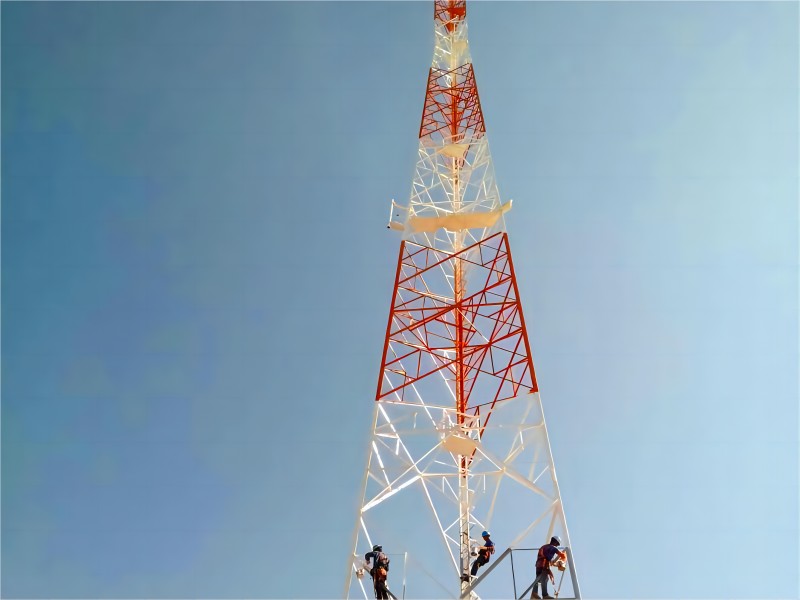
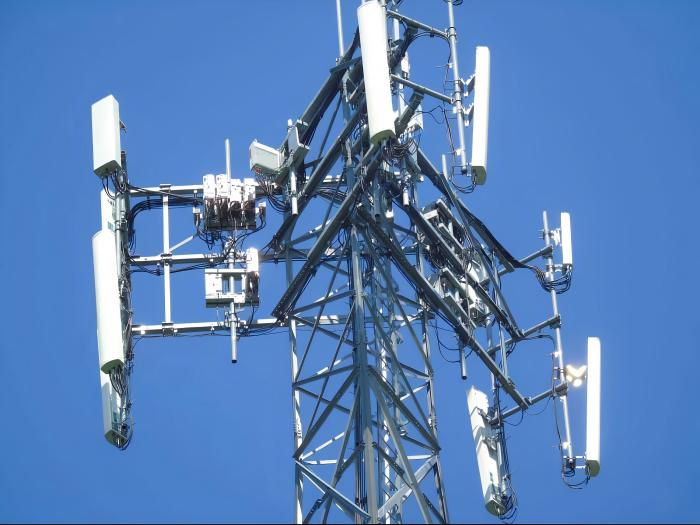
头部背景图片

Regulations Govern the Deployment of A 40 Meters Cellular on Wheels (COW)

2025-01-09

The deployment of a 40-meter Cellular on Wheels (COW) or any temporary telecommunication infrastructure is subject to various regulations and guidelines to ensure compliance, safety, and efficient operation. While specific regulations may vary by country or region, here are some common regulatory aspects that often govern the deployment of a 40m COW:

123

40m cell on wheels

123

 Common Regulations Governing the Deployment of a 40m COW:


1. Telecommunications Regulations:

 - Compliance with telecommunication laws and regulations governing the deployment, operation, and maintenance of telecommunication equipment and networks.

2. Permitting and Zoning:

 - Obtaining permits and approvals from local authorities for the deployment of temporary telecommunication structures, including zoning regulations and land use permits.

3. Environmental Regulations:

 - Compliance with environmental regulations to ensure that the deployment of the COW does not have adverse impacts on the environment, wildlife, or natural resources.

4. Health and Safety Regulations:

 - Adherence to health and safety regulations to ensure the safety of personnel involved in the deployment and operation of the COW, as well as the general public.

5. Radio Frequency (RF) Regulations:

 - Compliance with RF exposure limits and regulations to ensure that the electromagnetic radiation emitted by the COW is within safe levels for human exposure.

123

40m cow

123

6. Electrical Safety Regulations:

 - Adherence to electrical safety regulations to ensure that the power supply systems and equipment used in the COW deployment meet safety standards.

7. Transportation Regulations:

 - Compliance with transportation regulations for the safe transport of the COW to different locations, including regulations related to oversized loads and road transportation.

8. Emergency Response Regulations:

 - Compliance with regulations related to emergency response and disaster management, especially in situations where the COW is deployed for emergency communication purposes.

9. Data Protection and Privacy Regulations:

 - Compliance with data protection and privacy regulations to ensure the security and privacy of user data transmitted and processed through the COW network.

10. Interference Regulations:

  - Adherence to regulations to prevent interference with existing telecommunication networks, radio services, and other wireless communication systems.

123

40m cow tower

123

It is essential for organizations and operators deploying a 40m COW to be aware of and comply with these regulations to ensure legal and safe operation of the temporary telecommunication infrastructure. Consulting with regulatory authorities and legal experts may be necessary to navigate the complex regulatory landscape governing the deployment of a COW.


Learn more at www.alttower.com


Contact Us


telecom tower supplier

Types of Generators Commonly Used to Power COWs

2025-01-09

Cellular on Wheels (COWs) are typically powered by generators to ensure continuous operation and provide temporary cellular network coverage in various situations. The types of generators commonly used to power COWs include:

cell on wheels

1. Diesel Generators:

- Advantages: Diesel generators are robust, reliable, and efficient, making them suitable for continuous operation over an extended period.

- Fuel Availability: Diesel fuel is commonly available and can be stored for extended periods, making it a practical choice for remote or emergency deployments.

- Power Output: Diesel generators can provide high power output levels, which may be necessary to support the equipment and antennas on a COW.


2. Gasoline Generators:

- Advantages: Gasoline generators are more portable and lighter compared to diesel generators, making them easier to transport and set up in various locations.

- Fuel Availability: Gasoline is readily available, but it can be less efficient and may require more frequent refueling compared to diesel.

- Power Output: Gasoline generators are suitable for powering smaller COW setups or in situations where portability is a priority.


3. Natural Gas Generators:

- Advantages: Natural gas generators are cleaner-burning and more environmentally friendly compared to diesel or gasoline generators.

- Fuel Availability: Natural gas supply infrastructure may limit the deployment of natural gas generators in certain locations.

- Cost-Effectiveness: In areas where natural gas is readily available, using natural gas generators can be cost-effective.

cell on wheels

4. Propane Generators:

- Advantages: Propane generators offer a clean-burning fuel source that is readily available in portable cylinders or tanks.

- Fuel Storage: Propane can be stored for long periods without degradation, making it suitable for backup power applications.

- Versatility: Propane generators are versatile and can be used in various locations where propane fuel is accessible.


5. Hybrid Generators:

- Advantages: Hybrid generators combine multiple fuel sources, such as diesel and solar, to provide power flexibility and increase efficiency.

- Fuel Efficiency: Hybrid systems can optimize fuel consumption based on power demands, leading to cost savings and reduced environmental impact.

- Renewable Energy Integration: Some hybrid generators incorporate renewable energy sources like solar power to reduce reliance on traditional fuels.


The choice of generator for powering a Cellular on Wheels (COW) system depends on factors such as power requirements, fuel availability, portability, environmental considerations, and specific deployment scenarios. Diesel generators are commonly preferred for their reliability and high power output, especially in situations requiring continuous operation and high energy demand.


Learn more at www.alttower.com


Contact Us


telecom tower supplier

What is A Radar Lattice Tower?

2025-01-09

A radar tower, also known as a radar antenna tower or radar mast, is a structure specifically designed to support radar antennas for various applications, including air traffic control, weather monitoring, military surveillance, and navigation systems. Here is an overview of radar towers:

radar lattice tower

Features of Radar Towers:

1. Antenna Support: Radar towers are designed to securely mount and support radar antennas at an optimal height for effective signal transmission and reception.

2. Height: Radar towers are typically tall structures to elevate the radar antennas above obstructions and provide a broader range of coverage.

3. Stability: Radar towers are engineered to withstand wind loads, seismic forces, and other environmental factors to ensure the stability and reliability of the radar system.

4. Construction Materials: Radar towers are commonly constructed using steel, reinforced concrete, or other durable materials to provide structural strength and longevity.

5. Design Considerations: Radar tower designs take into account factors such as antenna type, weight, wind loading, platform requirements, and safety standards.

6. Maintenance Access: Provision for safe and convenient access for maintenance and inspection of the radar equipment located on the tower.


Applications of Radar Towers:

1. Air Traffic Control: Radar towers are essential for air traffic control systems to monitor and track aircraft movements in the airspace.

2. Weather Radar: Used in meteorological applications to detect and track weather patterns, precipitation, and severe weather events.

3. Military Surveillance: Radar towers play a critical role in military operations for surveillance, target tracking, and threat detection.

4. Navigation Systems: Radar towers support navigation systems such as maritime radar for ship traffic control and collision avoidance.

5. Remote Sensing: Utilized in remote sensing applications for environmental monitoring, research, and data collection.


radar tower

Types of Radar Towers:

1. Guyed Towers: Supported by guy wires attached to the ground for stability, commonly used for taller radar installations.

2. Self-Supporting Towers: Stand-alone towers that do not require guy wires for support, suitable for medium to large radar antennas.

3. Monopole Towers: Single pole structures with a smaller footprint, often used in urban areas or where space is limited.

4. Lattice Towers: Open framework structures composed of interconnected elements, offering strength and flexibility for various radar applications.


Considerations for Radar Towers:

1. Load Capacity: Radar towers must be designed to withstand the weight of the radar equipment, antenna loads, and environmental forces.

2. Electromagnetic Interference: Proper grounding and shielding measures are essential to minimize interference and ensure accurate radar performance.

3. Regulatory Compliance: Radar towers must adhere to local regulations, aviation standards, and safety codes to ensure safe operation.


Radar towers are critical infrastructure components for a wide range of applications that rely on radar technology for surveillance, monitoring, and communication purposes. Their design, construction, and maintenance are essential to ensure the efficient and reliable operation of radar systems in various industries and sectors.


weather radar tower


Learn more at www.alttower.com


Contact Us


telecom tower supplier

What is The Typical Range of A 40-meter Cellular on Wheels ( COW) ?

2025-01-09

The range of a Cellular on Wheels (COW) unit, including a 40-meter COW, can vary based on several factors such as the terrain, antenna type, frequency bands used, transmit power, and surrounding environment. 

111

40m cell on wheels111

Here are some considerations related to the range of a 40-meter COW unit:


 Factors Influencing Range:

1. Antenna Height: The height of the antenna mast (40 meters in this case) allows for a clear line of sight and can extend the coverage range, especially in flat terrain.

2. Frequency Bands: Different frequency bands have varying propagation characteristics. Lower frequencies generally offer better coverage over longer distances, while higher frequencies provide higher data rates but may have shorter ranges.

3. Transmit Power: The transmit power of the COW unit's antennas affects the signal strength and coverage range. Higher transmit power can extend the reach of the signal.

4. Terrain: Terrain features such as hills, buildings, vegetation, and other obstructions can affect the range by causing signal blockages and reflections.

5. Interference: Interference from other radio signals, buildings, or natural obstacles can limit the effective range of the COW unit.


 Typical Range of a 40-Meter COW:

- In general, a 40-meter COW unit with proper antenna configurations and equipment setup can typically provide coverage over a range of several kilometers to tens of kilometers.

- The actual range can vary significantly based on the factors mentioned above and may need to be assessed on a case-by-case basis.

- For events or emergency responses, the coverage range of a 40-meter COW unit is often optimized to provide reliable cellular service within the specific area of interest or where additional coverage is required.

1111

40m cow tower111

 Coverage Optimization:

- Site Survey: Conducting a site survey before deployment helps determine the optimal location for the COW unit to maximize coverage range.

- Antenna Configuration: Using directional antennas, adjusting tilt angles, and optimizing antenna patterns can help enhance coverage range and signal quality.

- Network Planning: Proper network planning, frequency allocation, and interference management are crucial for optimizing coverage and maximizing the range of the COW unit.


Conclusion:

The range of a 40-meter Cellular on Wheels (COW) unit can vary depending on multiple factors, and its coverage area is typically optimized for the specific deployment scenario. By considering terrain, antenna height, transmit power, and other factors, operators can ensure that the COW unit provides reliable and effective cellular coverage within the targeted area of operation.

11

40m cow


Learn more at www.alttower.com


Contact Us


telecom tower supplier

Global textile dyeing machines market trends, challenges and opportunities for growth

2025-01-09

Textile dyeing machines are industrial equipment designed for the dyeing or coloring process of textiles. Dyeing is a critical step in the textile manufacturing industry, where dyes are applied to fabrics, yarns, or fibers to achieve the desired color or pattern.


I. Market Research

1. Market Size and Growth Trends

trend of dyeing machine industry

According to the latest report by QYResearch, “Global Textile Dyeing Machine Market Report 2023-2029,” it is expected that the global textile dyeing machine market will reach $1.37 billion by 2029, with a compound annual growth rate (CAGR) of 4.2% in the coming years. This indicates that the textile dyeing machine market will experience steady growth over the next few years.


2. Development Trends

Digitalization and Automation: With the continuous development of artificial intelligence, big data and other technologies, the textile dyeing machine industry is gradually moving towards digitalization and automation. The application of intelligent equipment not only improves production efficiency but also reduces production costs and enhances product quality.


Environmental Sustainability: With the increasing global awareness of environmental protection, eco-friendly solutions have become a mainstream trend in the textile dyeing machine industry. Major companies are adopting environmentally friendly production technologies and materials to achieve sustainable development.


Customization and Personalization: As consumer demand becomes more diverse, personalized and customized textile products are increasingly favored. Textile dyeing machine companies need to offer a variety of products and services to meet consumers' individual needs.

fabric dyeing machine

*knitted fabric dyeing machine


3.Potential Growth Drivers

Sustained Market Demand: With the global economic recovery and the improvement in consumer purchasing power, the demand for textiles continues to rise, providing significant growth opportunities for the textile dyeing machine market.


Emerging Markets: Emerging markets in Southeast Asia, Africa, and other regions offer vast growth potential for the textile dyeing machine industry.


Technological Innovations: New dyeing technologies such as digital dyeing and smart dyeing are constantly emerging, bringing new development opportunities to the textile dyeing machine market.


4. Potential Challenges

Environmental Pressure: With the tightening of environmental regulations, textile dyeing machine companies need to increase investments in environmental protection and improve the eco-friendliness of their products.


International Trade Barriers: Green trade barriers are becoming a significant factor limiting textile exports, requiring the textile dyeing machine industry to focus on green production.


Intense Market Competition: The domestic and international markets are highly competitive, requiring textile dyeing machine companies to continuously improve product quality and technological capabilities to stay ahead of the competition.


II. Industry Competitor Analysis

1. Major Manufacturers

Globally, leading manufacturers of textile dyeing machines include COSMOTEX, Gargo Corporation, Sclavos, Texfab, Thies, Chemtax, M/s Exolloys Engineering, Capto, and Loris Bellini. The top three companies account for approximately 54.9% of the market share.


2. Strategic Positioning and Competitive Advantages

Large Multinational Companies: These companies typically possess strong R&D capabilities and advanced technological expertise, allowing them to produce high-end, intelligent dyeing machines. They enjoy significant global market share and brand recognition. These companies focus on technological innovation and product quality, continuously introducing advanced dyeing machine models that meet market demands.


Small and Medium-Sized Local Enterprises: Compared to large multinational companies, small and medium-sized local enterprises also occupy a certain share of the textile dyeing machine market. They typically serve local markets by offering flexible production methods and personalized services.


3. Competitive Disadvantages

Some small and medium-sized enterprises lack sufficient investment in R&D and product innovation, resulting in weaker product competitiveness.

Some companies lack an international perspective and brand influence, making it difficult to secure a dominant position in the global market.

sample fabric dyeing machine

*small capacity fabric dyeing machine


III. Supply Chain Structure Analysis

1. Supply Chain Efficiency

The textile dyeing machine industry’s supply chain includes raw material suppliers, component manufacturers, machine manufacturers, distributors, and end users. Currently, there is a high degree of collaboration and coordination between different supply chain stages, leading to overall high efficiency.


2. Potential Bottlenecks

Raw Material Supply: The supply of some critical raw materials may be affected by market fluctuations, trade policies, and other factors, potentially leading to bottlenecks in the supply chain.


Technological Innovation: Technological innovation is a key driver of industry development, but some enterprises' insufficient investment in R&D may slow the overall improvement of supply chain technology.


IV. R&D Progress and Technological Innovation

1. New Dyeing Technologies

Emerging technologies such as digital dyeing and smart dyeing are creating new opportunities for the textile dyeing machine industry. These technologies not only improve dyeing efficiency and product quality but also reduce energy consumption and pollutant emissions.


2. Intelligent Production Lines

Intelligent production lines are an important development direction for the textile dyeing machine industry. By integrating smart equipment, companies can automate and optimize the production process, leveraging big data and cloud computing technologies to enable real-time analysis and processing of production data, thus improving production efficiency and product quality.


3. Application of New Materials

The development and application of new materials, such as functional fibers, smart fibers, and eco-friendly fibers, provide more possibilities for the textile dyeing machine industry, driving innovation and development.

hank yarn dyeing machine

*hank yarn spray dyeing machine


V. Regulatory and Policy Environment Analysis

1. Environmental Regulations

With increasing global environmental awareness, governments worldwide are strengthening the formulation and enforcement of environmental regulations. Textile dyeing machine companies must comply with these regulations, increasing their environmental investments and improving the eco-friendliness of their products.


2. Industrial Policies

During the “14th Five-Year Plan” period, national policies are placing higher demands on ecological civilization construction. The "3060" carbon neutrality goal will push the printing and dyeing industry to adopt more proactive and practical measures, such as technological innovation and pollutant control, to improve energy and resource efficiency, reduce pollutants, and achieve a balance between economic, ecological, and social benefits.


3. International Trade Policies

The rise of international trade protectionism and green trade barriers has impacted the export of textile dyeing machines. Companies need to closely monitor changes in international trade policies, strengthen international trade cooperation, and improve their products' international competitiveness.

fabric dyeing machine

The textile dyeing machine industry is expected to maintain steady growth in the coming years. However, it also faces many challenges. Companies need to continually enhance their technological innovation capabilities and product quality, adapt to changes in market demand, expand their market share and achieve sustainable development.


Highlights for the BGFGF series of Vibrating Feeders

2025-01-08

As one of China vibrating feeders manufacturers,we are happy to share some key information about vibrating feeders with you.Vibrating feeders are usually used in the start stage of production lines and are widely used in industries such as metallurgy, coal mining, mineral processing, construction materials, chemistry, and wear-resistant materials. The BGFGF series vibrating feeder, delivers block or granular materials uniformly and continuously to the receiving equipment in the production line, which is one of key equipment to ensure high efficient and stable operation of the production line. 

1.Basic specification

Static Vibrating Feeder


Model

Feeder Size

Max. Feed Size

The length of Grizzly Bar

Installation Angle(°)

Amplitude

Max. Capacity

 Motor Power

Working Speed

Weight

Transport Dimension

LWH

BGFGF1560

1500*6000mm

1000mm

2*1250

5(0-10)

8.5

800tph

Electric 

500-900rpm

depends on selected configuration

6100*3650*2050mm

BGFGF1040

 1000*4000mm   2000*6000mm

650mm

1654

0

8

450tph

Electric

450-1000rpm

depends on selected configuration

4425*1800*1630mm

BGFGF1260

1200*6000mm

800mm

2*1250

5(0-10)

8.5

500tph

Electric

500-900rpm

depends on selected configuration

6100*3350*2050mm

BGFGF1360

1300*6000mm

900mm

2*1250

5(0-10)

8.5

600tph

Electric

500-900rpm

depends on selected configuration

6100*3450*2050mm

BGFGF1860

1800*6000mm

1200mm

2*1250

5(0-10)

8.5

1000tph

Electric

500-900rpm

depends on selected configuration

6100*4250*2150mm

BGFGF2060

2000*6000mm

1500mm

2*1250

5(0-10)

8.5

1500tph

Electric

500-900rpm

depends on selected configuration

6100*4450*2150mm


2. Highlights and advantages

  • Mature exciter design 

Amplitude of multiple size Vibrating feeders is adjustable, and its structure is simple, easy to maintain. Can adjust the amplitude by adjusting the number of eccentric blocks on the eccentric shaft in daily operation, so it is flexible to adapt to different sizes of feeding materials.

High Productive China static vibrating feeder

  • Constant right feeding rate

The optimization of the exciter position makes the amplitude of the whole feeder very uniform, while the excitation force is large and size is small.So the Vibrating Feeder machine runs stably, feeds material with a right feeding rate, and has high efficiency.


  • Low noise and low grease temperature

Adopting lithium grease, filling in the middle of the bearings, the equipment gets more best and reliable lubrication, effectively reduces the grease temperature and noise, so that the bearings have a longer service life.


China Static Vibrating Feeder


  •  Easy operation

The Vibrating feeder is easy to install and transport, can be quickly put into production, and convenient for daily operation and maintenance. The vibration frequency of the static vibrating feeder can be changed easily by adjusting the rotational speed through the frequency converter, preventing the motor from overheating, over current and overload.


High Productive Vibrating Feeder


For more information about Borgers' mobile screening equipment and services, please visit our official website or contact Borgers service team.

Sanitary Napkin Test Methods Ensuring Quality and Performance

2025-01-07

Sanitary Napkin Test Methods: Ensuring Quality and Performance


When it comes to personal hygiene products like sanitary napkins, performance and reliability are paramount. Quality testing is crucial to ensure products meet the needs and comfort of users. GESTER explores the sanitary napkin test methods and highlights specialized equipment such as the Sanitary Napkins Backing Peeling Strength Machine GT-CN18, Sanitary Napkins Absorption Speed Tester GT-CN19, and Sanitary Napkin Water Absorbency Tester GT-CN20, all of which play key roles in ensuring product quality.

Importance of Testing in Sanitary Napkins
Sanitary napkins serve as essential products for women, and their functionality directly impacts user comfort and confidence. Testing ensures that each napkin performs optimally in terms of absorbency, adhesion, and material integrity. It also ensures compliance with international quality standards, which is vital for market acceptance.

Key aspects to evaluate include:
Adhesion: How well the backing adheres to fabrics or underwear.
Absorption Speed: The rate at which the napkin absorbs fluid.
Water Absorbency: The total amount of liquid a napkin can retain.
To achieve this, specialized testing machines are required.

1. Backing Peeling Strength Test: GT-CN18 
The Sanitary Napkins Backing Peeling Strength Machine GT-CN18 is a precise tool used to evaluate the adhesive strength between the sanitary napkin backing and cotton fabrics.

Key Features of Sanitary Napkins Backing Peeling Strength Machine
  • Touch screen control, Chinese and English menus, man-machine dialogue mode, easy yo operate.
  • Built-in thermal printer, convenient to print test results quickly on site.
  • Sanitary Napkins Backing Peeling Strength Machine Professional computer analysis software.
  • Sanitary napkin adhesive strength tester can realize bidirectional operation with computer; report statistics, graph visual analysis, etc.
  • High precision sensor, good linearity and stability; stepper motor drive, ball screw drive.
Product Detail Sanitary Napkins Backing Peeling Strength Machine
2. Absorption Speed Test: GT-CN19
The Sanitary Napkins Absorption Speed Tester GT-CN19 measures how quickly a sanitary napkin absorbs fluid, a crucial factor for user comfort and hygiene.

Key Features of Sanitary Napkins Absorption Speed Tester
  • Sanitary Pads Absorption Speed Tester Touch screen control, Chinese and English menus, man-machine dialogue mode, easy to operate.
  • Built-in thermal printer, convenient to print test results quickly.
  • High precision peristaltic pump to ensure the accuracy of penetrating liquid capacity.
  • Sanitary Napkin Water Absorption Rate Tester: Automatic liquid addition, automatic testing, no need to manually add liquid.
  • Electrodes are processed with special materials, good induction;electrodes are automatically positioned.
  • The sample mounting kit has overflow receiving device.
Sanitary Napkins Absorption Speed Tester
3. Water Absorbency Test: GT-CN20
The Sanitary Napkin Water Absorbency Tester GT-CN20 evaluates the total water absorption capacity of sanitary napkins.

Key Features of Sanitary Napkin Water Absorbency Tester
  • Sanitary Napkin Water Absorbency Tester: Touch screen control, Chinese and English menus, man-machine dialogue mode, easy to operate.
  • Built-in thermal printer, convenient to print test results quickly on site.
  • High precision sensor, good linearity and stability.
  • Humanized operation interface,fully automatic to finish process of immersion, weighing, hanging, reset, etc.
  • Automatic weighing and calculating results and average values. Report data can be required and printed.
  • Sanitary Napkin Water Absorption Rate Tester: Five stations can test together or independently.
Sanitary Napkin Water Absorbency Tester
Why These Tests Matter
Each test method is designed to simulate real-world scenarios, ensuring that the sanitary napkins perform effectively. These tests also help manufacturers:

Enhance Product Design: Identify weak points in product structure and improve them.
Ensure User Safety: Verify that products meet health and safety standards.

Build Brand Trust: High-quality products boost consumer confidence and brand loyalty.


How GESTER Instruments Facilitate Testing
GESTER Instruments provides state-of-the-art equipment like Sanitary Napkins Backing Peeling Strength Machine GT-CN18, Sanitary Napkins Absorption Speed Tester GT-CN19, and Sanitary Napkin Water Absorbency Tester GT-CN20 to enable precise and reliable testing. Our machines are engineered with advanced features, ensuring repeatable results and compliance with industry standards.

Choosing the right testing solutions not only guarantees product quality but also reinforces brand reputation in a competitive market. With thorough testing, manufacturers can confidently deliver products that prioritize user comfort, safety, and satisfaction.

Softness Tester GT-CN05 A Comprehensive Guide

2025-01-07
Softness Tester GT-CN05: A Comprehensive Guide

When it comes to evaluating the softness of materials like high-grade toilet paper, tobacco flakes, fiber paper products, and more, precision is key. Enter the Softness Tester GT-CN05 — a state-of-the-art device designed to ensure accuracy, reliability, and efficiency in softness testing. We will explore the applications, features, specifications, and advantages of this essential instrument, helping you understand why it’s the best choice for your testing needs.

Softness Tester


Applications of the Softness Tester GT-CN05


The Softness Tester GT-CN05 is a versatile device capable of determining the softness of various materials. Industries that benefit from this tester include:

Hygiene products: Evaluating the softness of high-grade toilet paper ensures customer satisfaction and meets quality standards.

Tobacco industry: Ensuring the right softness in tobacco flakes impacts production quality.

Paper manufacturing: Softness in fiber paper products is a crucial aspect of usability and performance.

Its wide application spectrum makes the Softness Tester GT-CN05 indispensable for maintaining high-quality standards across different industries.

Key Features of the tissue paper softness tester

The Softness Tester GT-CN05 boasts cutting-edge features that set it apart from its competitors. Let’s delve into what makes it a standout choice:

1. Leverage Principle for Precision

The measuring device incorporates the principle of leverage, significantly reducing data fluctuations caused by vibration. This ensures highly accurate and stable results.

2. High-Resolution Color Touchscreen

A modern, user-friendly touchscreen interface enhances operational ease, offering clear visibility of testing data and real-time force values.

3. Stepper Motor for Smooth Operation

The integration of a stepper motor guarantees precise transmission, ensuring stable and reliable performance during every test.

4. Advanced Force Sensor Technology

Equipped with a high-precision force sensor, the GT-CN05 softness tester for toilet paper delivers exceptionally accurate testing results, making it ideal for industries requiring stringent quality control.

5. Comprehensive Data Handling

This device can store data from up to 30 groups of 20 tests each, with separate memory for horizontal and vertical data. These records are easily accessible and printable, streamlining data management.

6. Real-Time Test Process Monitoring

During the test, real-time force values and graphical representations are displayed, enabling precise observation and analysis.

7. Built-in Thermal Printer

The built-in micro thermal printer generates reports quickly and quietly, with clear fonts for easy readability. This functionality simplifies result documentation and reduces noise in laboratory environments.

Technical Specifications

Here are the detailed technical specifications of the Softness Tester GT-CN05:

Testing Range: 10-1000mN

Testing Resolution: 0.1mN

Indication Error: ≤±1% FS (Allowable for 20% or less of the upper limit exceeding the specified range: 1mN)

Indicative Variability: <1%

Test Head Stroke: (12.0 ± 0.5)mm (Adjustable)

Test Head Press-in Depth: 8mm ± 0.5mm

Slit Width: 5mm, 6.35mm, 10mm, 20mm (Width error not exceeding ±0.05mm)

Testing Speed: (1.2 ± 0.24)mm/s

Printer: Thermal printer for immediate result reporting

These specifications underline the instrument’s ability to deliver accurate and repeatable results under varying conditions.

Benefits of the Softness Tester GT-CN05

The tissue paper softness tester stands out due to its unique blend of performance, ease of use, and advanced features. Here’s why it’s the go-to choice for professionals:

1. Enhanced Accuracy

The high-precision force sensor and advanced leverage mechanism work together to deliver exceptional accuracy, reducing errors and ensuring reliability.

2. User-Friendly Design

The intuitive interface, coupled with a high-resolution touchscreen, makes the device straightforward to operate, even for new users.

3. Data Management

With ample storage for test results and built-in reporting capabilities, data management becomes seamless and hassle-free.

4. Durable and Reliable

Crafted with durable materials and advanced components like the stepper motor, the GT-CN05 promises long-term reliable performance, reducing maintenance costs.

5. Real-Time Analysis

The ability to observe real-time force values and graphical outputs ensures immediate feedback, enabling quicker decision-making.

6. Quiet Operation

The low-noise thermal printer and smooth testing mechanism contribute to a quieter working environment, enhancing comfort during testing operations.

How to Get the Most Out of Your Softness Tester GT-CN05

To ensure the best performance and longevity of your GT-CN05 softness tester for toilet paper , follow these tips:

Calibration: Regularly calibrate the device to maintain accuracy.

Maintenance: Clean and inspect the machine after every testing cycle.

Storage: Store the tester in a stable environment, away from excessive vibration and temperature fluctuations.

Operator Training: Train your staff on optimal operation procedures to maximize efficiency and minimize errors.

Ready to elevate your testing capabilities? Choose the Softness Tester GT-CN05 and high precision, reliability, and efficiency like never before. Contact us today to learn more or place your order!

Understanding and Managing Mask Visual Field Tester GT-RA07

2025-01-07
Understanding and Managing Mask Visual Field Tester GT-RA07

The Mask Visual Field Tester GT-RA07 is a precision instrument designed to evaluate the effective field of vision in full-face masks, half-face masks, and other respirators. Ensuring the visual field under a mask meets standard requirements is essential for user safety and comfort, particularly in industries where respiratory protection is critical, such as healthcare, manufacturing, and emergency response.

mask visual field testing machine

Key Features and Applications

The Mask Visual Field Tester GT-RA07 utilizes an apertometer to trace and measure the visual field. The primary objective is to determine whether a mask allows an adequate visual range without significant obstructions, ensuring users maintain awareness of their surroundings while wearing protective gear.

Testing Process:
- The mask is fitted onto a dummy head with lighting in each eye socket.
- The apertometer traces the shadow curves projected onto a hemispherical surface.
- Measurements include both the total field of vision and the overlapping field of vision, ensuring compliance with regulatory standards.

Acceptance Criteria


Before initiating the test, follow these preparation steps to ensure accurate results:


1. Install the Test Head Mould:
Attach the head mould and connect all necessary wires securely.

2. Head Mould Positioning:
- Adjust the head mould to the center position (0°), facing forward.
- Lock it in place to prevent any movement during testing.

3. Machine Level Adjustment:
Use the spirit level to ensure the machine is perfectly aligned.

4. Power Supply Check
- Confirm that the power source is stable and connected properly.
- Verify that both left and right lamp beads are glowing correctly.

Operational Steps

Testing with the Mask Visual Field Tester GT-RA07 involves evaluating both eyes separately and then analyzing the overlapping field of vision. Follow these steps for accurate operation:

1. Mask Installation
Fit the mask securely onto the dummy head. Ensure there is no slack or misalignment.

2. Left Eye Test
- Adjust the Head Mould: Move it to the right to position the left eye for testing.
- Activate the Left Lamp: Switch on the lamp and observe the visual field sphere.
- Plot the Curve: Trace the shadow formed on the sphere and draw the corresponding curve.

3. Right Eye Test
- Adjust the Head Mould: Move it to the left to position the right eye for testing.
- Activate the Right Lamp: Switch on the lamp and observe the visual field sphere.
- Plot the Curve: Trace the shadow formed on the sphere and draw the corresponding curve.

4. Overlapping Field Analysis
- Curve Intersection: Observe where the left and right eye curves intersect.
- Degree of Blocked Vision: Analyze the intersection to determine how much of the field of vision is obstructed by the mask.

Why Visual Field Testing Matters

Effective visual field testing ensures that respirators and masks provide:

- Safety: Users can remain aware of their environment, reducing accidents.
- Comfort: Minimizing visual obstructions enhances long-term wearability.
- Compliance: Adherence to industry standards and regulations is essential for product approval and user trust.


mask visual field testing machine


Common Industries Utilizing the mask visual field testing machine


1. Healthcare: Surgical and protective masks require unobstructed vision for precision tasks.
2. Manufacturing: Workers need clear peripheral vision to avoid accidents.
3. Emergency Response: First responders rely on masks that provide both protection and situational awareness.


What is Moving Die Rheometer GT-KR01 Complete Guide

2025-01-07
What is Moving Die Rheometer GT-KR01: Complete Guide


The Moving Die Rheometer (MDR) GT-KR01 is a specialized instrument used to analyze the curing process of rubber compounds. GESTER will explain its purpose, application, features, working principles, and the standards.

Moving Die Rheometer


Application of the Moving Die Rheometer
The Moving Die Rheometer GT-KR01 plays a vital role in determining the rheological properties of rubber compounds during the curing phase. In practical terms, the Rubber Rheometer measures how a rubber compound behaves under specific conditions of heat and pressure, allowing researchers and manufacturers to optimize their formulations for desired performance characteristics.

The working setup of the rheometer involves placing a rubber specimen in a sealed pressurized cavity. Controlled heating is applied while the lower die produces sinusoidal oscillations. The corresponding torque response from the rubber compound is detected using a torque sensor attached to the upper die.

Key Features of Moving Die Rheometer GT-KR01
This device stands out for its advanced design and functionality. Below are the main features that define its superiority in rubber testing:

  • Advanced Rheometer Software: Equipped with cutting-edge software, the Moving Die Rheometer GT-KR01 enables in-depth analysis of the curing characteristics of rubber compounds.
  • Precision Measurements: The device can accurately determine essential curing parameters, including:
  • Scorch time (tₛ): The time required before the curing process starts.
  • Cure time (t₉₀): The time required for the rubber to reach optimal curing.
  • Cure rate: The speed at which the rubber compound cures.
  • Viscoelasticity: Measures the rubber's ability to resist deformation while retaining elasticity.
  • Cure plateau: Indicates stabilization during the curing process.
  • Research and Development Tool: Widely used in laboratories for R&D purposes, this rheometer supports innovation in rubber formulations.
  • Quality Assurance Utility: It plays a critical role in ensuring consistent and high-quality output in rubber manufacturing processes.

Standards Compliance
The Moving Die Rheometer GT-KR01 adheres to globally recognized standards, making it reliable and suitable for a variety of industrial applications:

  • GB/T 16584-1996: A Chinese national standard for rheological measurements.
  • ISO 6502-3-2018: International guidelines outlining procedures for evaluating vulcanization characteristics.
  • ASTM D5289-2017: An established American standard for determining dynamic properties of vulcanized rubbers.
By meeting these standards, the Moving Die Rheometer GT-KR01 assures compatibility and accuracy in diverse testing environments.

How the Moving Die Rheometer GT-KR01 Works
1. Sample Placement: A small sample of the rubber compound is positioned in a pressurized cavity between two dies.
2. Controlled Heating: The system applies heat at pre-specified temperatures to initiate curing.
3. Oscillation Mechanism: The lower die generates sinusoidal oscillations.
4. Torque Detection: The upper die detects the torque generated by the specimen as it undergoes the curing process. This data is then analyzed using rheometer software.
The resulting data provides a comprehensive profile of the rubber's curing characteristics, enabling better control over production processes.

Advantages of the Moving Die Rheometer
Using the Rubber Rheometer GT-KR01 comes with several benefits:

Optimized Formulations: Detailed analysis helps manufacturers fine-tune rubber compounds for specific applications.
Enhanced Efficiency: By identifying the curing times and rates, production schedules can be optimized, minimizing wastage.
Improved Product Quality: The Rubber Rheometer ensures that the end product consistently meets predefined performance standards.
Compliance with Regulations: Adherence to international standards ensures that the product is ready for global markets.

Common Applications
The Rubber Rheometer GT-KR01 finds its application across various industries where rubber is a critical material, such as:

Automotive: Testing tire compositions to ensure durability and performance.
Consumer Goods: Quality control for rubber items such as seals, gaskets, and footwear.
Industrial Manufacturing: Developing rubber components for machinery and tools.
Medical: Testing rubber formulations used in medical equipment and supplies.

Whether you’re in the automotive, industrial, or consumer goods sector, this mdr rheometer  delivers accuracy, reliability, and innovation, setting new benchmarks in rubber testing.

Tags