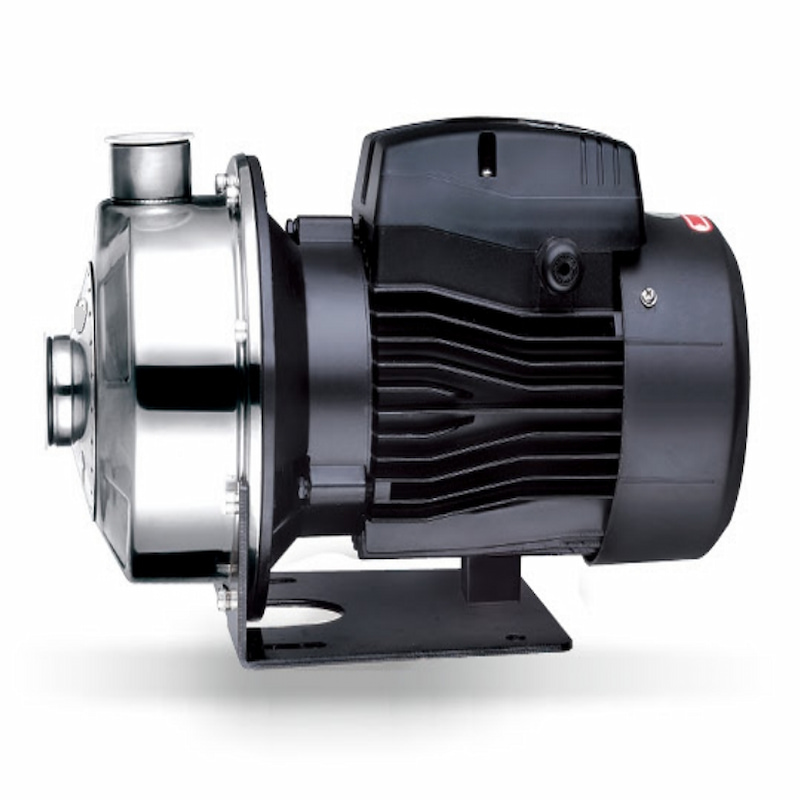
The initial purchase price of an industrial pump accounts for only 10% of its Total Cost of Ownership (TCO). The remaining 90% is consumed by energy costs, maintenance, and downtime over its lifespan. To calculate TCO, use the formula: TCO = Initial Cost + Installation + Energy Costs + Maintenance + Downtime Costs. Upgrading to IE3/IE4 motors significantly lowers long-term expenses.
When B2B procurement teams look to upgrade their fluid handling systems, they often focus entirely on the upfront purchase price. However, in the heavy machinery sector, buying the cheapest pump usually results in massive financial losses over the next decade. Understanding the true financial impact requires calculating the Total Cost of Ownership.
Here is a breakdown of how to accurately assess the real cost of your energy-efficient pumps and why investing in quality upfront pays massive dividends.
The TCO Breakdown: Where Does the Money Go?
Over a typical 10-to-15-year lifecycle, the costs associated with an industrial pump break down approximately like this:
● Initial Purchase & Installation: ~10% to 15%
● Maintenance & Repairs: ~15% to 20%
● Energy Consumption: ~65% to 75%
1.Energy Costs: The Silent Budget Killer
Because industrial pumps often run 24/7, electricity is by far the largest expense. A standard pump operating continuously can consume its own purchase price in electricity in just one year. When calculating TCO, always factor in the efficiency rating of the motor. Upgrading to an IE3 or IE4 high-efficiency motor might cost 20% more upfront, but it dramatically reduces the lifetime energy bill.
2. Maintenance and Spare Parts
Cheap pumps use inferior mechanical seals, bearings, and casting materials. When calculating pump lifecycle costs, you must estimate the frequency of seal replacements and oil changes. High-quality pumps designed with heavy-duty shafts experience less deflection, which means their mechanical seals last twice as long, drastically reducing your spare parts budget.
3. The Cost of Unplanned Downtime
This is the most critical variable. If a cheap boiler feed pump fails and shuts down your entire manufacturing plant, the lost production revenue can amount to tens of thousands of dollars per hour. When evaluating a supplier, factor in the reliability of the equipment and the speed of their spare parts delivery.
How to Lower Your TCO
To protect your bottom line, stop treating industrial pumps as disposable commodities. Always size the pump to operate at its Best Efficiency Point (BEP). Consider installing Variable Frequency Drives (VFDs) to adjust pump speed based on actual demand, rather than running at full speed and throttling with valves. By spending a little more during the procurement phase, you can save hundreds of thousands of dollars in operational costs.