For standard municipal sewage with neutral pH levels, a cast iron pump is the most cost-effective and durable choice. However, if the fluid contains highly corrosive chemicals, heavy chlorides, or extreme pH levels, submersible wastewater pumps must be constructed from Stainless Steel 316 to prevent rapid material degradation and ensure operational safety.
One of the most critical decisions an engineer must make during pump material selection is choosing the right metallurgy for the pump casing and impeller. In wastewater treatment, the environment is harsh, abrasive, and often chemically aggressive. Choosing the wrong material will lead to rapid erosion, pump failure, and environmental hazards.
The two most common choices are Cast Iron and Stainless Steel 316 (SS316). Here is an expert comparison to help you choose the right corrosion-resistant pumps for your facility.
The Workhorse: Cast Iron Pumps
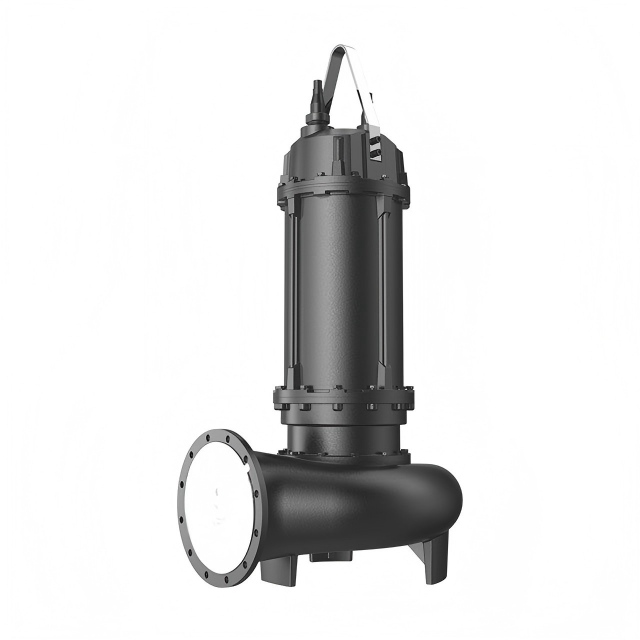 |
Sewage submersible pump Flow:10~3500m³/h Head: 10~110m Power: 0.75~220kW
Conditions of use 1. Medium temperature not exceeding +40 ℃ 2. The pH value of the medium is between 4 and 10 3. The maximum density of the medium is 1050 kg/m³ 4. The power frequency is 50 Hz, and the voltage fluctuation range is 0.9 - 1.1 times the rated value 5. Diving depth not exceeding 5 m |
Cast iron is the industry standard for general water and sewage transfer. It is incredibly robust, easy to cast into complex hydraulic shapes, and highly cost-effective.
● Pros: Excellent wear resistance against abrasive solids (like sand and grit found in sewage). It absorbs vibration well, ensuring quiet operation, and has a significantly lower upfront purchase price.
● Cons: Cast iron is highly susceptible to rust and chemical corrosion. It should not be used in environments with high acidity (pH below 6) or high alkalinity (pH above 9).
● Best Application: Municipal sewage lift stations, storm water drainage, and domestic wastewater systems where the fluid is relatively neutral and non-toxic.
The Protector: Stainless Steel 316 Pumps
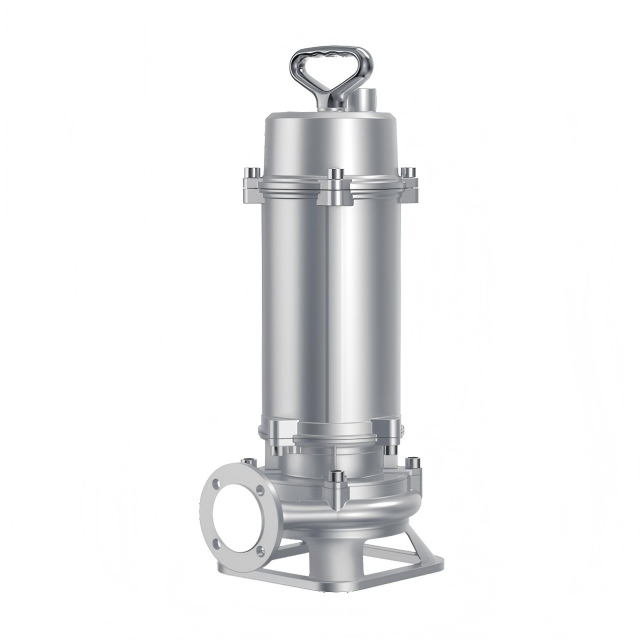 |
Stainless steel sewage submersible pump Flow: 10~2800m³/h Head:6~75m Power:0.75~250kW
Conditions of use 1.Medium temperature not exceeding +40℃ 2.The pH value of the medium is between 2-13 3.The maximum density of the medium is 1050kg/m³ 4.The power frequency is 50Hz, and the voltage fluctuation range is 0.9-1.1 times the rated value 5.Diving depth not exceeding 5m |
SS316 is a premium marine-grade alloy that contains molybdenum, which drastically enhances its resistance to pitting and chemical attacks.
● Pros: Exceptional resistance to corrosion, rust, and chemical degradation. It performs beautifully in extreme pH environments, high-temperature liquids, and saline (saltwater) conditions.
● Cons: Stainless steel is significantly more expensive to manufacture and machine. It is also slightly softer than cast iron, meaning highly abrasive slurries (like mining sludge) might wear down a stainless impeller faster than a cast iron one.
● Best Application: Industrial chemical processing, textile dyeing plants, seawater desalination, and food-grade wastewater facilities where strict environmental compliance and chemical resistance are mandatory.
Making the Final Decision
Never guess when it comes to metallurgy. Always analyze your fluid composition before ordering. If you are pumping standard rainwater or human waste, save your budget and buy a heavy-duty cast iron pump with an epoxy coating. If your factory discharges harsh chemical effluents, investing in Stainless Steel 316 is absolutely necessary to avoid catastrophic leaks and frequent replacements.